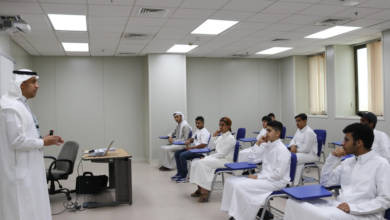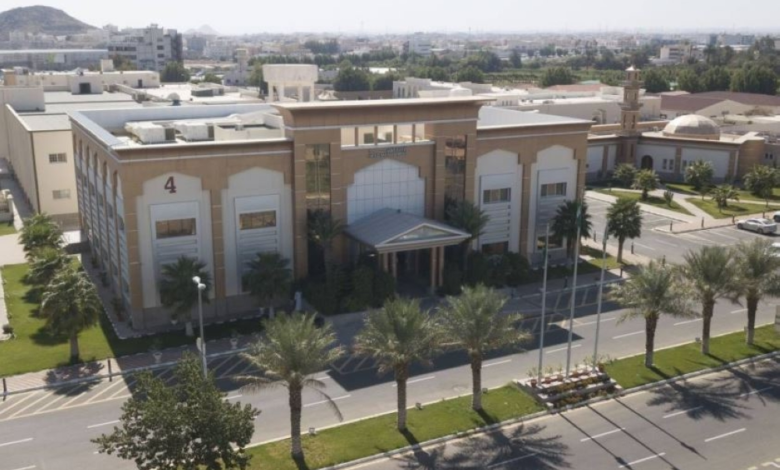

أعلنت جامعة الطائف والمؤسسة العامة للتدريب التقني والمهني عن تعليق الدراسة الحضورية في مقراتهما بمدينة الطائف ليوم الاثنين، وذلك بناءً على التقارير الواردة من المركز الوطني للأرصاد حول الأحوال الجوية المتوقعة. ويأتي هذا القرار كإجراء احترازي يهدف إلى ضمان سلامة الطلاب والطالبات وكافة منسوبي ومنسوبات المؤسستين التعليميتين.
تفاصيل القرار وآلية التنفيذ
وفقاً للبيان الصادر عن جامعة الطائف، فقد تقرر تحويل الدراسة الحضورية لتكون عن بُعد عبر منصة “البلاك بورد” اعتباراً من الساعة الحادية عشرة صباحاً. ويشمل القرار المقر الرئيسي للجامعة في الحوية وجميع الفروع داخل محافظة الطائف. كما أوضحت الجامعة أن دوام الموظفين سيكون أيضاً عن بُعد وفقاً للأنظمة واللوائح المعمول بها. وفي المقابل، تستمر الدراسة حضورياً في فروع الجامعة بمحافظات رنية والخرمة وتربة، نظراً لعدم تأثرها بالتحذيرات الجوية. وبالمثل، أعلنت المؤسسة العامة للتدريب التقني والمهني أن التدريب في منشآتها بالطائف سيكون عن بعد لليوم ذاته.
السياق العام: إجراءات استباقية لضمان السلامة
يعكس هذا القرار نهجاً استباقياً تتبعه الجهات الحكومية والتعليمية في المملكة العربية السعودية في التعامل مع الظواهر الجوية المتقلبة. فالمركز الوطني للأرصاد يلعب دوراً محورياً في منظومة إدارة المخاطر الوطنية، حيث يقوم بإصدار تنبيهات وتحذيرات دقيقة ومبكرة تتيح لصناع القرار اتخاذ الإجراءات اللازمة لحماية الأرواح والممتلكات. وتعتبر مدينة الطائف، بفضل موقعها الجغرافي المرتفع ضمن سلسلة جبال السروات، منطقة ذات طبيعة مناخية خاصة، حيث تشهد أحياناً هطول أمطار غزيرة وعواصف رعدية قد تتسبب في جريان السيول، مما يجعل تعليق الدراسة الحضورية ضرورة ملحة في مثل هذه الظروف.
الأهمية والتأثير: تكامل بين التعليم والسلامة
تكمن أهمية هذا القرار في قدرة المؤسسات التعليمية على الموازنة بين متطلبين أساسيين: استمرارية العملية التعليمية وضمان سلامة الطلاب. فبفضل البنية التحتية الرقمية القوية التي تمتلكها الجامعات السعودية ومنشآت التدريب، أصبح الانتقال السلس إلى نظام التعليم عن بعد خياراً استراتيجياً فعالاً. هذا التحول لا يضمن فقط عدم انقطاع الطلاب عن مسيرتهم الأكاديمية، بل يساهم أيضاً في تخفيف الضغط على الطرقات وتقليل احتمالية وقوع حوادث مرورية أثناء الظروف الجوية الصعبة. وعلى المستوى الأوسع، يعزز هذا الإجراء ثقة المجتمع في قدرة مؤسسات الدولة على إدارة الأزمات بكفاءة ومرونة، ويؤكد على أن سلامة المواطن والمقيم تأتي دائماً في مقدمة الأولويات.