
فاجعة إنسانية جراء العواصف العنيفة في الهند
في فاجعة إنسانية جديدة تعكس قسوة التغيرات المناخية، ارتفع عدد قتلى العواصف العنيفة في الهند، وتحديداً في ولاية أوتار براديش، إلى 111 قتيلاً، وفقاً لأحدث الإحصائيات الرسمية الصادرة عن السلطات المحلية. وتأتي هذه الكارثة لتسلط الضوء مجدداً على التحديات البيئية الكبرى التي تواجهها شبه القارة الهندية، وتأثير الطقس المتطرف على حياة الملايين.
تفاصيل الحصيلة المأساوية في أوتار براديش
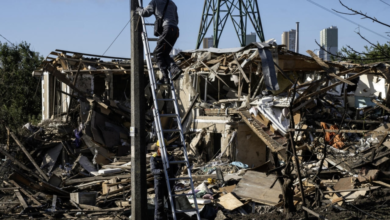
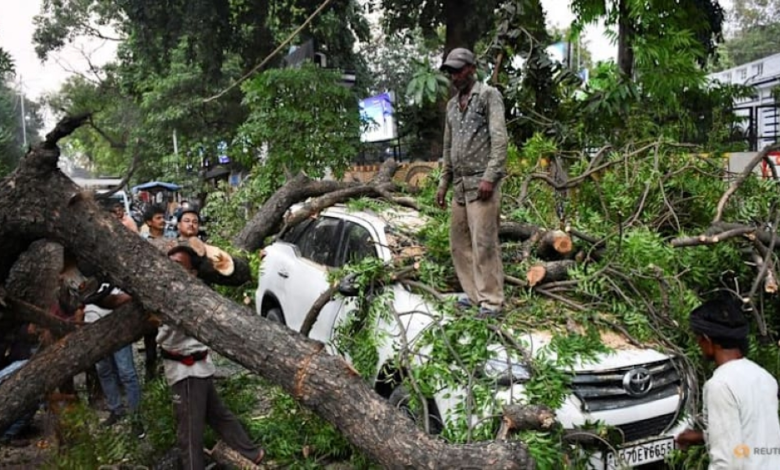
أفاد مكتب مفوض عمليات الإنقاذ والإغاثة الهندي بأن الحصيلة الجديدة بلغت 111 قتيلاً و72 مصاباً بجروح متفاوتة الخطورة، وذلك بعد أن كانت الحصيلة الأولية تشير إلى مصرع 89 شخصاً. وتعد ولاية أوتار براديش، التي يقطنها أكثر من 240 مليون نسمة، الولاية الهندية الأكثر اكتظاظاً بالسكان، مما يجعلها عرضة لخسائر بشرية فادحة عند وقوع الكوارث الطبيعية. وقد تنوعت أسباب الوفيات بين الصواعق الرعدية المباشرة، وانهيار المنازل القديمة، وسقوط الأشجار وأعمدة الكهرباء نتيجة الرياح العاتية التي ضربت المنطقة.
السياق التاريخي والمناخي للعواصف في الهند
تاريخياً، لا تعد هذه العواصف ظاهرة جديدة على الهند، بل هي جزء من نمط مناخي معروف يسبق موسم الرياح الموسمية (المونسون). ففي الأشهر التي تسبق هطول الأمطار الموسمية، وتحديداً بين شهري أبريل ويونيو، تشهد الأجزاء الشمالية والشرقية من الهند عواصف رعدية شديدة تتميز برياحها المدمرة وصواعقها المميتة. وتعتبر الصواعق الرعدية على وجه الخصوص من أكبر القتلة الطبيعيين في الهند، حيث تشير البيانات التاريخية إلى أنها تحصد أرواح الآلاف سنوياً، خاصة بين المزارعين والعمال الذين يقضون أوقاتاً طويلة في الحقول المفتوحة دون حماية كافية.
تأثير التغير المناخي والتحذيرات الرسمية
في سياق متصل، أطلقت هيئة الأرصاد الجوية الهندية تحذيرات شديدة اللهجة من تزايد وتيرة الظواهر الجوية المتطرفة. ويربط خبراء المناخ بشكل وثيق بين هذه العواصف العنيفة والارتفاع المطرد في درجات الحرارة العالمية. فالاحتباس الحراري يؤدي إلى زيادة تبخر المياه وتراكم الرطوبة في الغلاف الجوي، مما يخلق ظروفاً مثالية لتشكل سحب رعدية ضخمة وعواصف غير مسبوقة في شدتها وتكرارها.
التداعيات المحلية والإقليمية والدولية
على المستوى المحلي، تسببت هذه العواصف في أضرار بالغة للبنية التحتية، وتدمير مساحات واسعة من المحاصيل الزراعية، مما يهدد الأمن الغذائي ومصادر رزق آلاف الأسر الريفية، فضلاً عن تشكيل ضغط هائل على المستشفيات وفرق الاستجابة للطوارئ.
أما على المستوى الإقليمي، فإن تكرار هذه الكوارث يفرض على الحكومة الهندية تحديات اقتصادية ضخمة تتمثل في تخصيص ميزانيات طوارئ لتعويض المتضررين وإعادة الإعمار، ويدفع نحو ضرورة تعزيز أنظمة الإنذار المبكر وتطوير البنية التحتية لتكون أكثر مرونة في مواجهة المناخ.
وعلى المستوى الدولي، يمثل ما يحدث في الهند جرس إنذار للمجتمع الدولي بأسره. فهذه الخسائر البشرية والمادية الفادحة تؤكد أن التغير المناخي لم يعد تهديداً مستقبلياً، بل هو واقع مميت يتطلب تكاتفاً عالمياً عاجلاً للحد من الانبعاثات الكربونية والالتزام باتفاقيات المناخ الدولية لحماية المجتمعات الأكثر هشاشة.