
تفشي فيروس إيبولا: منظمة الصحة العالمية تدق ناقوس الخطر
في خطوة تعكس مدى خطورة الوضع الصحي في القارة الأفريقية، أعلنت منظمة الصحة العالمية رسمياً حالة طوارئ صحية عامة دولية إثر تفشي فيروس “إيبولا” القاتل في كل من جمهورية الكونغو الديمقراطية وأوغندا. هذا الإعلان يأتي كإجراء احترازي حاسم ومبكر لمنع تحول هذا التفشي المحلي والإقليمي إلى أزمة صحية عالمية واسعة النطاق يصعب السيطرة عليها.
وأوضح المدير العام لمنظمة الصحة العالمية، تيدروس أدهانوم غيبريسوس، في بيان رسمي، أن تفشي المرض في هاتين الدولتين يشكل بالفعل حالة طوارئ صحية عامة تثير قلقاً دولياً بالغاً. ومع ذلك، طمأن غيبريسوس المجتمع الدولي بأن الوضع الحالي، رغم خطورته وسرعة انتشاره، لا يرقى حتى الآن إلى معايير “الجائحة” العالمية. وشدد على أن الهدف الرئيسي من هذا الإعلان العاجل هو وضع جميع الدول المجاورة في حالة تأهب قصوى، إلى جانب حشد الدعم المالي واللوجستي والطبي من المجتمع الدولي للسيطرة على بؤر التفشي قبل تمددها.
السياق التاريخي لفيروس إيبولا في أفريقيا
لفهم مدى أهمية هذا الإعلان، يجب النظر إلى التاريخ الطويل والمميت لفيروس إيبولا في القارة السمراء. تم اكتشاف الفيروس لأول مرة في عام 1976 بالقرب من نهر إيبولا في ما يعرف الآن بجمهورية الكونغو الديمقراطية. منذ ذلك الحين، شهدت الكونغو العشرات من موجات التفشي، مما جعلها واحدة من أكثر الدول خبرة في التعامل مع هذا الفيروس، لكنها أيضاً الأكثر تضرراً منه. من جهتها، واجهت أوغندا المجاورة عدة تفشيات سابقة، غالباً ما تكون مرتبطة بسلالات مختلفة مثل سلالة “السودان” التي تشكل تحدياً إضافياً لعدم توفر لقاحات معتمدة لها بنفس فعالية اللقاحات المخصصة لسلالة “زائير”.
ويعيد هذا التفشي الجديد إلى الأذهان الذاكرة المأساوية لوباء إيبولا في غرب أفريقيا بين عامي 2014 و2016، والذي أسفر عن وفاة أكثر من 11 ألف شخص. تلك الكارثة أثبتت أن التأخر في الاستجابة يمكن أن يؤدي إلى عواقب وخيمة، مما يبرر الاستجابة السريعة والحازمة الحالية لمنظمة الصحة العالمية.
التأثير المتوقع: محلياً، إقليمياً، ودولياً
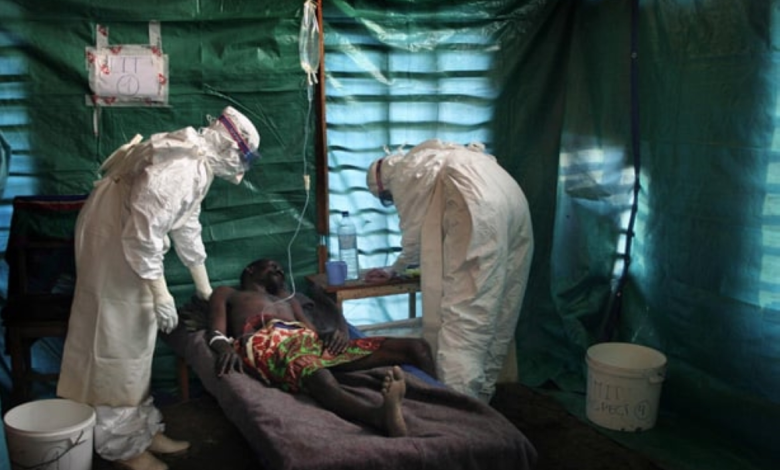
على الصعيد المحلي: يفرض تفشي إيبولا ضغوطاً هائلة على أنظمة الرعاية الصحية الهشة أساساً في كل من الكونغو وأوغندا. يتطلب الأمر استنزافاً للموارد الطبية، وتجهيز مراكز عزل متخصصة، وتتبع المخالطين، مما يؤثر بشكل مباشر على الحياة اليومية والاقتصاد المحلي للمواطنين، ناهيك عن الخسائر البشرية المباشرة وحالة الذعر المجتمعي.
على الصعيد الإقليمي: تعتبر الحدود المشتركة في منطقة البحيرات الكبرى الأفريقية مليئة بالحركة التجارية والاجتماعية المستمرة، مما يسهل انتقال الفيروس عبر الحدود. لذلك، فإن إعلان حالة الطوارئ يهدف بشكل أساسي إلى تفعيل بروتوكولات الفحص الصارم في المنافذ الحدودية لدول مثل رواندا، بوروندي، وجنوب السودان، لمنع تمدد رقعة الوباء وحماية الأمن الصحي الإقليمي.
على الصعيد الدولي: رغم أن خطر انتقال الفيروس إلى قارات أخرى يعتبر منخفضاً مقارنة بالأمراض التنفسية سريعة الانتشار، إلا أن العولمة وحركة الطيران تجعل من انتقال العدوى أمراً وارداً. التدخل الدولي السريع من خلال توفير اللقاحات، والمعدات الواقية، والتمويل، ليس مجرد عمل خيري، بل هو ضرورة ملحة للأمن الصحي العالمي. إن السيطرة على الفيروس في مهده هي الاستراتيجية الأنجع والأقل تكلفة لحماية العالم بأسره من تداعيات صحية واقتصادية كارثية.