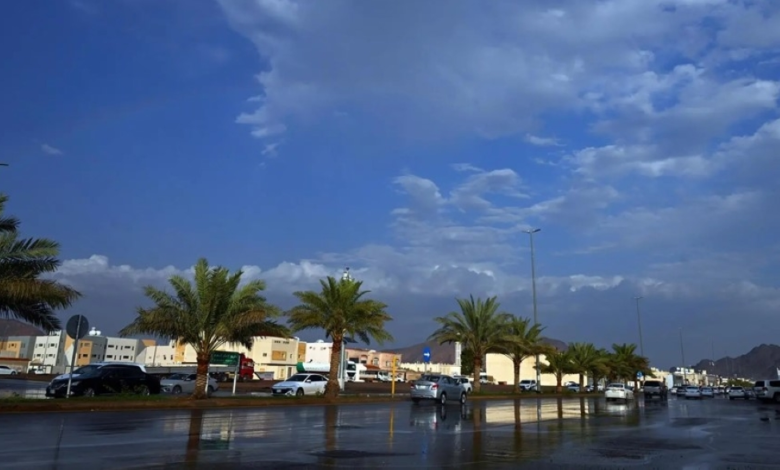

توقعات حالة الطقس في السعودية اليوم الأحد
أعلن المركز الوطني للأرصاد في المملكة العربية السعودية عن تفاصيل حالة الطقس المتوقعة ليوم الأحد، محذراً المواطنين والمقيمين من تقلبات جوية ملحوظة. وتشمل هذه التوقعات تكون سحب رعدية ممطرة، بالإضافة إلى استمرار تأثير الرياح النشطة المثيرة للأتربة والغبار على عدة مناطق، مما يستدعي أخذ الحيطة والحذر أثناء التنقل والقيادة.
المناطق المتأثرة بالرياح والأتربة
بحسب التقرير الرسمي الصادر عن الأرصاد، فإن الرياح السطحية النشطة التي تثير الأتربة والغبار ستؤثر بشكل مباشر على أجزاء واسعة من مناطق نجران، مكة المكرمة، المدينة المنورة، القصيم، حائل، تبوك، الجوف، والحدود الشمالية. وحذر المركز من أن هذه الحالة قد تؤدي إلى شبه انعدام في مدى الرؤية الأفقية، خاصة على أجزاء من منطقتي الرياض والشرقية، مما يتطلب من قائدي المركبات توخي أقصى درجات الحذر على الطرق السريعة لتجنب الحوادث المرورية.
الأمطار الرعدية على المرتفعات
في سياق متصل، تستمر التوقعات الإيجابية بتكون السحب الرعدية الممطرة على أجزاء من المرتفعات الجنوبية الغربية للمملكة. وتعتبر هذه الأمطار ذات أهمية كبرى للمنطقة، حيث تساهم في تعزيز الغطاء النباتي ودعم القطاع الزراعي الذي تشتهر به تلك المرتفعات، وتغذية السدود والمياه الجوفية.
حالة الملاحة البحرية: البحر الأحمر والخليج العربي
نظراً لأهمية الملاحة البحرية وحركة التجارة، قدم المركز تفاصيل دقيقة حول حالة البحر:
البحر الأحمر
- الرياح السطحية: تهب رياح شمالية غربية إلى شمالية بسرعة تتراوح بين 22 إلى 43 كم/ساعة على الجزء الشمالي والأوسط. بينما تكون شمالية غربية إلى غربية بسرعة 15 إلى 32 كم/ساعة على الجزء الجنوبي.
- ارتفاع الموج: يتراوح من متر إلى مترين على الجزأين الشمالي والأوسط، ومن نصف متر إلى متر ونصف على الجزء الجنوبي.
- حالة البحر: متوسط الموج شمالاً ووسطاً، وخفيف إلى متوسط جنوباً.
الخليج العربي
- الرياح السطحية: شمالية غربية إلى شمالية بسرعة 20-40 كم/ساعة على الجزء الشمالي والأوسط، وجنوبية شرقية إلى شمالية شرقية بسرعة 15-30 كم/ساعة جنوباً.
- ارتفاع الموج: من متر إلى مترين في الشمال والوسط، ومن نصف متر إلى متر ونصف في الجنوب.
- حالة البحر: متوسط الموج على الجزء الشمالي والأوسط، وخفيف إلى متوسط على الجزء الجنوبي.
السياق المناخي وأهمية متابعة الأرصاد
تتميز المملكة العربية السعودية بمساحتها الشاسعة وتنوعها الجغرافي الكبير، مما يجعل مناخها متفاوتاً بشكل ملحوظ بين منطقة وأخرى. تاريخياً، تشهد المملكة في الفترات الانتقالية بين الفصول تقلبات جوية حادة، تتمثل في العواصف الرملية التي تتشكل نتيجة الفروقات الحرارية ونشاط الرياح، بالإضافة إلى الأمطار الموسمية على المرتفعات الجنوبية الغربية مثل عسير وجازان والباحة، والتي تتأثر بالرياح الموسمية الرطبة.
وتبرز أهمية هذه التنبؤات الجوية في تأثيرها المباشر على الحياة اليومية والاقتصادية. فعلى الصعيد المحلي، تساعد التحذيرات المبكرة من العواصف الغبارية مرضى الجهاز التنفسي والربو على اتخاذ التدابير الوقائية اللازمة بالبقاء في المنازل، كما تقلل من الحوادث المرورية. أما على الصعيد الإقليمي والدولي، فإن دقة التوقعات البحرية في البحر الأحمر والخليج العربي تعد أمراً حيوياً لضمان سلامة الملاحة البحرية وحركة السفن التجارية وناقلات النفط، حيث يمثل هذان الممران المائيان شرايين رئيسية للاقتصاد العالمي.
ويقوم المركز الوطني للأرصاد بدور محوري في رصد هذه التغيرات باستخدام أحدث التقنيات والرادارات، لضمان تقديم معلومات دقيقة وموثوقة تساهم في حماية الأرواح والممتلكات. وفي هذا السياق، تبرز أهمية المبادرات البيئية الحديثة مثل مبادرة السعودية الخضراء، التي تهدف إلى زيادة الغطاء النباتي وتقليل التصحر، مما سيساهم على المدى الطويل في التخفيف من حدة العواصف الرملية وتحسين جودة المناخ في المنطقة.