
عودة تاريخية بعد 326 يوماً من الانتشار
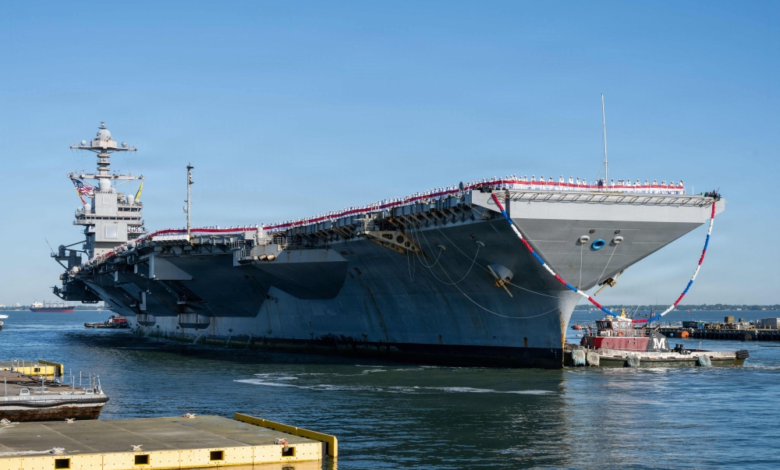
أعلنت وزارة الدفاع الأمريكية (البنتاغون) رسمياً عن عودة حاملة الطائرات جيرالد فورد (USS Gerald R. Ford) إلى الولايات المتحدة الأمريكية، وذلك بعد إنهاء فترة انتشار عملياتي استثنائية وطويلة الأمد استمرت لمدة 326 يوماً. وقد أبحرت الحاملة الأضخم في العالم نحو منطقة الشرق الأوسط في ظل تصاعد التوترات الإقليمية وقبل اندلاع المواجهات والتوترات العسكرية مع إيران، لتعود أخيراً إلى قاعدتها البحرية بسلام.
وفي تفاصيل الحدث، أكد الجيش الأمريكي عبر بيان رسمي نُشر على منصة “إكس”، أن وزير الدفاع، بيت هيغسيث، كان على رأس الحاضرين في القاعدة البحرية بمدينة نورفولك في ولاية فرجينيا. وجاء حضور هيغسيث للترحيب شخصياً بعودة طاقم أكبر وأحدث حاملة طائرات في العالم، مشيداً بالجهود الكبيرة التي بذلها البحارة خلال هذه المهمة الشاقة.
الأهمية الاستراتيجية والسياق التاريخي
تُعد فترة الانتشار هذه، التي قاربت الأحد عشر شهراً، الأطول لمجموعة حاملة طائرات أمريكية ضاربة منذ حقبة حرب فيتنام. وهذا يعكس بوضوح حجم التحديات الأمنية العالمية الحالية، والاعتماد الكبير للولايات المتحدة على قوتها البحرية لردع التهديدات والحفاظ على استقرار الملاحة الدولية.
تعتبر حاملة الطائرات جيرالد فورد درة تاج البحرية الأمريكية، وهي الأولى من فئتها، حيث تتميز بتكنولوجيا متطورة جداً تشمل أنظمة الإطلاق الكهرومغناطيسي للطائرات ومفاعلات نووية حديثة. إن إرسال هذه الحاملة إلى الشرق الأوسط كان يحمل رسالة ردع قوية، تهدف إلى منع توسع دائرة الصراع الإقليمي، وتأمين الممرات المائية الحيوية التي يمر عبرها جزء كبير من التجارة العالمية وحركة الطاقة.
مهام متعددة من الكاريبي إلى الشرق الأوسط
قبل توجيهها إلى منطقة الشرق الأوسط، شهدت مجموعة جيرالد فورد الضاربة انتشاراً ومشاركة فعالة في عمليات أمنية داخل منطقة البحر الكاريبي. ووفقاً للتقارير العسكرية، فقد شملت مهامها:
- شن ضربات وعمليات اعتراض استهدفت قوارب يشتبه في تورطها في عمليات تهريب المخدرات.
- اعتراض ناقلات نفط خاضعة للعقوبات الدولية.
- دعم العمليات والضغوط المتعلقة بالزعيم الفنزويلي نيكولاس مادورو.
وبعد إتمام هذه المهام، أُرسلت الحاملة بشكل عاجل إلى الشرق الأوسط للمشاركة في العمليات القتالية وجهود الردع ضد إيران والوكلاء التابعين لها في المنطقة، لضمان أمن الملاحة في البحر الأحمر والخليج العربي.
تحديات وحوادث واجهت طاقم الحاملة
لم تخلُ هذه الرحلة الماراثونية من التحديات اللوجستية وحوادث السلامة. فقد تضمن هذا الانتشار الطويل نشوب حريق في إحدى غرف غسيل الملابس على متن الحاملة بتاريخ 12 مارس. ووفقاً لبيانات الجيش الأمريكي، أسفر الحريق عن إصابة بحارين اثنين، وتسبب في أضرار جسيمة لحقت بنحو 100 سرير من أسرة الطاقم.
إلى جانب ذلك، ذكرت التقارير أن الحاملة عانت أيضاً من مشاكل فنية كبيرة في نظام المراحيض والصرف الصحي أثناء وجودها في عرض البحر. وهي مشكلة تقنية معروفة ارتبطت بالأنظمة الفراغية الجديدة المبتكرة في هذه الفئة الحديثة من السفن، مما شكل تحدياً إضافياً للطاقم الذي أظهر مرونة عالية طوال فترة انتشارهم الطويلة بعيداً عن الوطن.