
تصاعد التوترات الميدانية في بوليفيا
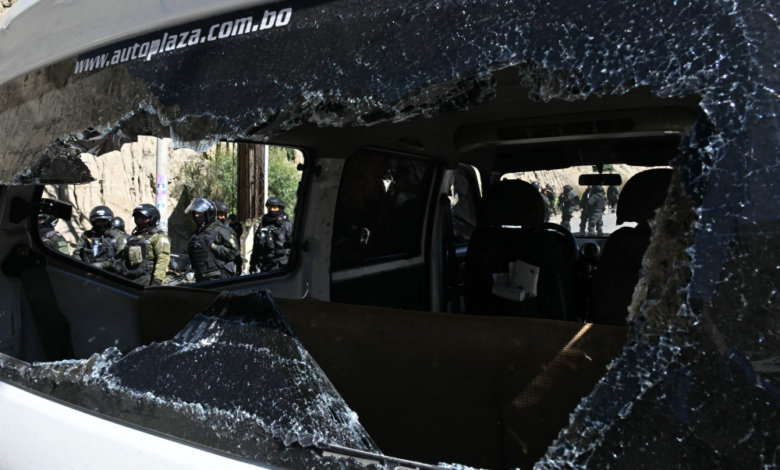
تشهد دولة بوليفيا تصعيداً ميدانياً واجتماعياً غير مسبوق، حيث اندلعت اشتباكات عنيفة يوم السبت بين قوات الشرطة والجيش البوليفي من جهة، ومجموعات واسعة من المحتجين الغاضبين من جهة أخرى. وقد عمد المتظاهرون إلى قطع الطرق الاستراتيجية المؤدية إلى العاصمة الإدارية لاباز، في خطوة تصعيدية للضغط على الحكومة لتلبية حزمة من المطالب العاجلة، على رأسها زيادة الأجور وتحسين الظروف المعيشية.
تدخل أمني واسع وحملة اعتقالات
في محاولة للسيطرة على الموقف، أطلقت قوات الأمن البوليفية قنابل الغاز المسيل للدموع لتفريق حشود المتظاهرين التي ضمت معلمين، وعمالاً في قطاع النقل، ومواطنين من السكان الأصليين، وغيرهم من الفئات المتضررة. وأفادت تقارير إخبارية رسمية أن العملية الأمنية التي انطلقت في ساعات الفجر الأولى شهدت مشاركة نحو 3500 من عناصر الشرطة والجيش. وفي هذا السياق، أكدت هيئة ديوان المظالم المعنية بحقوق المواطنين في الحكومة أنه تم اعتقال 57 شخصاً على الأقل خلال هذه المواجهات.
تداعيات إنسانية خطيرة للأزمة
استمرت الاحتجاجات وإغلاق الطرق لأكثر من أسبوعين، مما أدى إلى شلل شبه تام في حركة النقل. وتحدثت الإدارة الحكومية للطرق السريعة عن قطع المسارات في 22 موقعاً على الأقل. هذا الإغلاق المحكم منع وصول الإمدادات الأساسية مثل الغذاء، والدواء، والأكسجين إلى مقر الحكومة والمستشفيات في لاباز. وصرح المتحدث باسم الرئاسة، خوسيه لويس غالفيس، أن العملية الأمنية كانت تهدف بالأساس إلى فتح ممر إنساني لإنقاذ الأرواح، مشيراً إلى مأساة وفاة ثلاثة أشخاص خلال الأيام الأخيرة بسبب عدم تمكنهم من الوصول إلى المستشفيات لتلقي العلاج.
الجذور الاقتصادية والسياسية للاحتجاجات
تأتي هذه الاضطرابات في سياق تحول سياسي واقتصادي حاد. فقد فاز الرئيس رودريغو باز، المحسوب على تيار يمين الوسط، بالرئاسة العام الماضي، واضعاً بذلك حداً لعقدين من الحكم الاشتراكي في البلاد. وقد ورث باز أزمة اقتصادية توصف بأنها الأسوأ في بوليفيا منذ أربعة عقود، تتجلى أبرز ملامحها في نقص حاد في العملات الأجنبية (الدولار) وشح في الوقود.
وفي خطوة جريئة ومثيرة للجدل، ألغى الرئيس باز دعماً حكومياً للوقود كان سارياً منذ عقدين، مبرراً ذلك بأن هذا الدعم كان يستنفد الاحتياطيات الدولارية للخزينة العامة. هذا القرار أدى إلى موجة غلاء طاحنة، حيث ارتفعت أسعار العديد من المواد الغذائية الأساسية إلى مستويات قياسية، مما أشعل شرارة الغضب الشعبي.
مطالب المحتجين والسياق التاريخي
إلى جانب المطالبة بزيادة الأجور، يطالب المحتجون بإرساء استقرار اقتصادي حقيقي، ووقف خطط خصخصة الشركات المملوكة للدولة، بل ووصلت المطالب إلى حد المناداة باستقالة الرئيس. تاريخياً، تُعد بوليفيا من الدول التي تمتلك تقاليد قوية في الاحتجاجات الشعبية وقطع الطرق كأداة ضغط سياسي، وتعتبر العاصمة لاباز، بحكم موقعها الجغرافي في المرتفعات، شديدة التأثر بأي حصار يقطع خطوط الإمداد عنها.
انفراجة جزئية مع عمال المناجم
وسط هذه الضغوط من كافة الأطراف، تمكنت الحكومة يوم الجمعة من التوصل إلى اتفاق مع عمال المناجم الذين كانوا مضربين عن العمل. ونص الاتفاق على تزويدهم بكميات أكبر من الوقود والمتفجرات اللازمة لعملهم، بالإضافة إلى توسيع نطاق المناطق التي يمكنهم ممارسة نشاطهم التعديني فيها، رغم أن مكتب الرئيس لم يصدر تفاصيل إضافية حول بنود هذا الاتفاق حتى الآن.