
تطورات الحالة الوبائية في الكونغو الديمقراطية
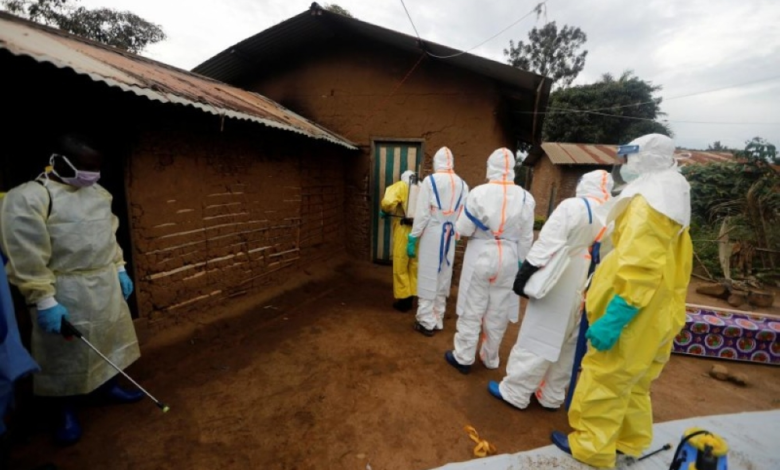
يشهد الوضع الصحي في القارة الأفريقية تطورات مقلقة مع إعلان السلطات الصحية عن ارتفاع ملحوظ في عدد الإصابات بـ فيروس الإيبولا في شرق جمهورية الكونغو الديمقراطية. ووفقاً لأحدث التقارير الصادرة عن وزارة الصحة الكونغولية، فقد قفز عدد الحالات المشتبه بإصابتها بالمرض إلى 671 حالة، في حين بلغ عدد الوفيات المشتبه بها 160 حالة. ومن بين هذه الأرقام، تم تأكيد إصابة 64 شخصاً بشكل رسمي، وتسجيل ست وفيات مؤكدة بناءً على الفحوصات المخبرية الدقيقة.
وفي سياق متصل، أوضحت منظمة الصحة العالمية أن إحصاءاتها تشير إلى تسجيل ما يقرب من 600 حالة مشتبه بها، مع تجاوز عدد الوفيات المشتبه بها حاجز الـ 130 حالة، مما يستدعي تدخلاً طبياً ولوجستياً عاجلاً لاحتواء الموقف ومنع تفاقم الأزمة الصحية.
السياق الجغرافي والوضع في الدول المجاورة
لم يقتصر القلق على الداخل الكونغولي فحسب، بل امتد إلى الدول المجاورة التي تتخذ إجراءات احترازية صارمة. ففي أوغندا المجاورة، أكدت وزارة الصحة أنها لم تكتشف أي إصابات جديدة بالفيروس، مشيرة إلى أن الحالتين المؤكدتين سابقاً تعودان لمواطنين كونغوليين عبرا الحدود. وبحسب المراكز الأفريقية لمكافحة الأمراض والوقاية منها، فإن بؤرة التفشي الحالي تتركز في مقاطعة “إيتوري” الواقعة في شمال شرق الكونغو الديمقراطية. وتكتسب هذه المنطقة حساسية بالغة نظراً لموقعها الجغرافي الذي يحد أوغندا وجنوب السودان، مما يزيد من مخاوف انتقال العدوى عبر الحدود وحصول تفشي إقليمي.
الخلفية التاريخية لفيروس الإيبولا في الكونغو
لفهم خطورة الوضع الحالي، يجب النظر إلى التاريخ الطويل والمعقد لجمهورية الكونغو الديمقراطية مع هذا الفيروس القاتل. يُعد هذا التفشي هو السابع عشر من نوعه الذي يتم تسجيله في البلاد منذ اكتشاف الفيروس لأول مرة في عام 1976 بالقرب من نهر إيبولا، والذي استمد منه المرض اسمه. وما يميز هذه الموجة الحالية هو ارتباطها بسلالة “بونديبوجيو” (Bundibugyo) النادرة من الفيروس، وهي سلالة تم اكتشافها لأول مرة في منطقة بونديبوجيو في أوغندا عام 2007.
تاريخياً، عانت الكونغو من موجات وبائية مدمرة، أبرزها تفشي عام 2018 في شرق البلاد (مقاطعتي كيفو الشمالية وإيتوري) والذي استمر لعامين وأسفر عن آلاف الوفيات، مما يجعله ثاني أكبر تفشي للإيبولا في التاريخ المسجل بعد وباء غرب أفريقيا (2014-2016). هذا التاريخ يضع السلطات أمام تحدٍ كبير للاستفادة من الدروس السابقة في احتواء المرض.
الأهمية والتأثير المتوقع للتفشي الحالي
يحمل تفشي فيروس الإيبولا في مقاطعة إيتوري تداعيات خطيرة على المستويات المحلية والإقليمية والدولية. محلياً، يفرض الفيروس ضغوطاً هائلة على النظام الصحي الكونغولي الذي يعاني بالفعل من تحديات جمة، بما في ذلك نقص الموارد الطبية وصعوبة الوصول إلى المناطق النائية بسبب النزاعات المسلحة المستمرة في شرق البلاد. هذه الظروف الأمنية المعقدة تعرقل جهود فرق الاستجابة الطبية وعمليات التتبع الوبائي وحملات التطعيم.
إقليمياً ودولياً، يثير الفيروس حالة من الاستنفار القصوى. فنظراً لارتفاع معدل الوفيات المرتبط بمرض فيروس الإيبولا، تخشى منظمة الصحة العالمية والمجتمع الدولي من خروج الوضع عن السيطرة. وتعمل المنظمات الدولية حالياً على تكثيف المراقبة الوبائية، وتوفير اللقاحات، وتعزيز قدرات الفحص المخبري في الدول المجاورة لمنع تحول هذا التفشي إلى أزمة صحية عابرة للحدود تهدد الأمن الصحي العالمي.