
مقدمة: تصعيد حملات التجنيد في اليمن
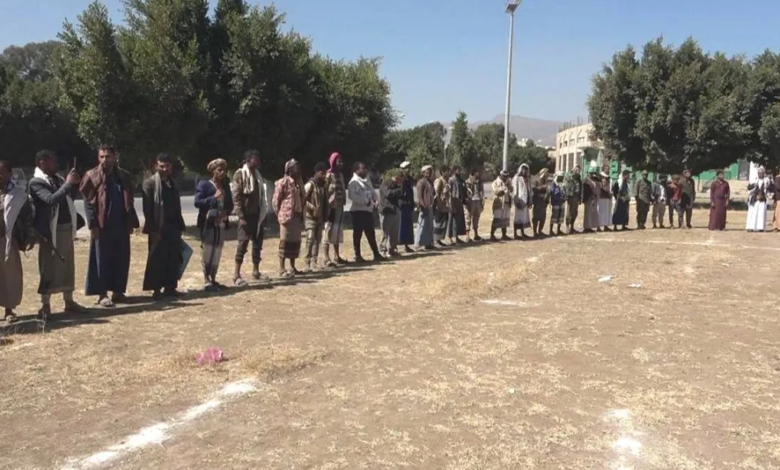
في تطور لافت يعكس حجم الاستنزاف البشري الذي تعاني منه جماعة الحوثي في اليمن، كشفت تقارير حقوقية وميدانية عن لجوء الجماعة إلى توسيع نطاق حملات التجنيد التعبوي لتشمل فئات مجتمعية جديدة، أبرزها فئة “المهمشين” وكبار السن. تأتي هذه الخطوة في ظل استمرار الصراع المسلح الذي يشهده اليمن منذ سنوات، ومحاولة الجماعة تعويض الخسائر البشرية الكبيرة التي تكبدتها في مختلف جبهات القتال، استعداداً لأي تصعيد عسكري محتمل.
السياق العام والخلفية التاريخية للصراع والتجنيد
يعيش اليمن منذ أواخر عام 2014 حرباً طاحنة ألقت بظلالها على كافة مناحي الحياة. ومع استمرار المعارك، استنزفت الأطراف المتحاربة، وخاصة جماعة الحوثي، خزانها البشري التقليدي الذي كان يعتمد بشكل رئيسي على أبناء القبائل والشباب. تاريخياً، لجأت الجماعة إلى أساليب متعددة لحشد المقاتلين، شملت التجنيد الإجباري واستغلال الظروف الاقتصادية الصعبة للمواطنين. ومع تراجع الاستجابة الشعبية لدعوات “النفير العام”، بدأت الجماعة في توجيه أنظارها نحو الفئات الأضعف في المجتمع اليمني.
تعتبر فئة “المهمشين” من أكثر الفئات معاناة من التمييز الاجتماعي والاقتصادي في اليمن تاريخياً. وقد استغلت جماعة الحوثي هذا التهميش، مقدمة وعوداً بتحسين أوضاعهم المعيشية ودمجهم في المجتمع مقابل الانخراط في صفوف القتال. وبالمثل، تم استهداف كبار السن والمسنين، إما من خلال الضغط المباشر أو استغلال حاجتهم الماسة لتوفير لقمة العيش لأسرهم في ظل انقطاع الرواتب وتدهور الاقتصاد اليمني بشكل غير مسبوق.
أهمية الحدث وتأثيره المتوقع على المستوى المحلي
على الصعيد المحلي، ينذر هذا التوسع في التجنيد التعبوي بكارثة إنسانية واجتماعية أعمق. إن زج كبار السن والمهمشين في جبهات القتال يؤدي إلى تمزيق ما تبقى من النسيج الاجتماعي اليمني، ويزيد من أعداد الأرامل والأيتام. كما أن هذه الممارسات تعد انتهاكاً صارخاً لحقوق الإنسان، حيث يتم استغلال الفقر والعوز لدفع المدنيين غير المؤهلين عسكرياً إلى محارق الموت. اقتصادياً، تفقد الأسر معيلها، مما يفاقم من أزمة الأمن الغذائي التي تعد الأسوأ عالمياً وفقاً لتقارير الأمم المتحدة المتتالية.
التداعيات الإقليمية والدولية لتوسيع التجنيد
إقليمياً، يعكس هذا التحشيد المستمر نوايا جماعة الحوثي في استمرار التصعيد العسكري، مما يهدد أمن واستقرار الدول المجاورة وخطوط الملاحة الدولية في البحر الأحمر ومضيق باب المندب. إن استمرار تدفق المقاتلين إلى الجبهات يعني إطالة أمد الحرب، مما يعرقل جهود السلام التي تقودها الأمم المتحدة ودول الإقليم للتوصل إلى تسوية سياسية شاملة تنهي معاناة الشعب اليمني.
دولياً، تضع هذه التطورات المجتمع الدولي والمنظمات الحقوقية أمام مسؤولية أخلاقية وقانونية كبرى. يتطلب الأمر تدخلاً عاجلاً للضغط على الجماعة لوقف استغلال الفئات المستضعفة، وتطبيق القوانين الدولية التي تجرم استخدام المدنيين، وخاصة الفئات المهمشة والضعيفة، كوقود للحروب. إن صمت المجتمع الدولي قد يشجع على ارتكاب المزيد من الانتهاكات، مما يعقد من فرص إحلال السلام المستدام في اليمن والمنطقة بأسرها.