
تصريحات أوروبية حازمة في قمة مجموعة السبع
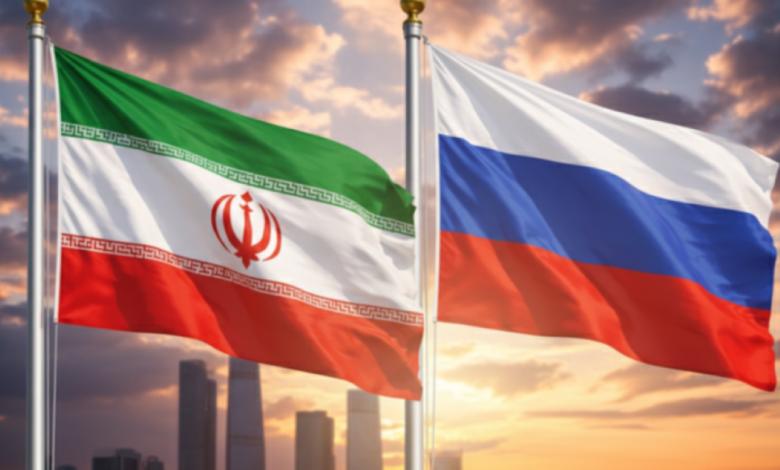
في تطور لافت يعكس تعقيدات المشهد الجيوسياسي العالمي، وجهت مسؤولة السياسة الخارجية في الاتحاد الأوروبي، كايا كالاس، اتهامات صريحة ومباشرة لروسيا بتزويد طهران بمعلومات استخباراتية حساسة. جاءت هذه التصريحات القوية على هامش الاجتماع الوزاري لمجموعة الدول الصناعية السبع (G7) الذي عُقد في فرنسا يوم الخميس، مما يسلط الضوء على القلق الغربي المتزايد من تنامي التحالف العسكري والأمني بين موسكو وطهران.
تفاصيل التعاون الاستخباراتي والعسكري
أوضحت كالاس في تصريحاتها أن الاتحاد الأوروبي رصد تحركات مقلقة تشير إلى أن روسيا تقدم دعماً استخباراتياً لإيران يهدف بشكل مباشر إلى استهداف وقتل مواطنين أمريكيين وجنود متواجدين في منطقة الشرق الأوسط. ولم يقتصر الدعم الروسي على الجانب الاستخباراتي فحسب، بل امتد ليشمل تزويد طهران بتقنيات وطائرات مسيرة متطورة. هذا الدعم العسكري يُمكّن إيران والفصائل المسلحة الموالية لها من تعزيز قدراتها في مهاجمة الدول المجاورة واستهداف القواعد العسكرية الأمريكية المنتشرة في المنطقة، مما يزيد من حدة التوترات الإقليمية.
السياق التاريخي لتطور العلاقات الروسية الإيرانية
لفهم أبعاد هذا التصريح، يجب النظر إلى الخلفية التاريخية القريبة لتطور العلاقات بين البلدين. منذ اندلاع الحرب الروسية الأوكرانية في أواخر فبراير 2022، شهدت العلاقات بين موسكو وطهران تقارباً استراتيجياً غير مسبوق. في البداية، تركز التعاون على قيام إيران بتزويد القوات الروسية بآلاف الطائرات المسيرة الانتحارية، وتحديداً من طراز “شاهد”، والتي استخدمت بكثافة في الساحة الأوكرانية. ومع مرور الوقت، تحول هذا التعاون إلى طريق ذي اتجاهين، حيث بدأت روسيا في تقديم دعم تقني، وعسكري، واستخباراتي متقدم لإيران، وهو ما تعتبره الدول الغربية تهديداً مباشراً لأمنها القومي ومصالحها في الشرق الأوسط.
التأثير المتوقع على الساحتين الإقليمية والدولية
على الصعيد الإقليمي، يأتي هذا التعاون الاستخباراتي في وقت تشهد فيه منطقة الشرق الأوسط غلياناً غير مسبوق، خاصة مع استمرار الحرب في قطاع غزة وتوسع دائرة الصراع لتشمل جبهات أخرى مثل لبنان والبحر الأحمر. إن حصول طهران على معلومات استخباراتية روسية دقيقة قد يغير من قواعد الاشتباك، مما يمنح الفصائل المدعومة من إيران قدرة أكبر على توجيه ضربات دقيقة للقواعد الأمريكية في سوريا والعراق والأردن، فضلاً عن تهديد الملاحة الدولية.
أما على الصعيد الدولي، فإن هذا التحالف يربط فعلياً بين مسرحي العمليات في أوروبا والشرق الأوسط. وقد أكدت كايا كالاس على هذه النقطة الجوهرية عندما وجهت رسالة واضحة للإدارة الأمريكية، قائلة: “إذا أرادت الولايات المتحدة الأمريكية أن تتوقف الحرب في الشرق الأوسط، فعليها أيضاً ممارسة أقصى درجات الضغط على روسيا حتى لا تتمكن من الاستمرار في مساعدة إيران في هذا المجال”. هذه الرؤية تؤكد أن الحلول الدبلوماسية أو العسكرية في الشرق الأوسط لم تعد ممكنة بمعزل عن التعامل مع النفوذ الروسي.
خلاصة الموقف الأوروبي والأمريكي
في الختام، تعكس تصريحات المسؤولة الأوروبية تحولاً في الاستراتيجية الغربية التي باتت تنظر إلى التهديدات الروسية والإيرانية ككتلة واحدة مترابطة. إن استمرار هذا التعاون الاستخباراتي والعسكري بين موسكو وطهران سيفرض على الولايات المتحدة والاتحاد الأوروبي إعادة تقييم سياسات الردع الخاصة بهما، وتكثيف الجهود المشتركة لفرض عقوبات أشد صرامة، والعمل على تفكيك هذه الشبكات التي تهدد الاستقرار والسلم والأمن الدوليين.