
أعلن الاتحاد الأوروبي رفضه القاطع والمطلق لفكرة فرض أي رسوم مالية على عبور السفن التجارية وناقلات النفط عبر مضيق هرمز، مشدداً على ضرورة الإبقاء على حرية الملاحة في هذا الممر المائي الاستراتيجي والحيوي للتجارة العالمية. وفي هذا السياق، صرح المتحدث باسم الاتحاد الأوروبي، أنور العنوني، يوم الخميس، بأن “القانون الدولي يكرس بوضوح حرية الملاحة، وهو ما يعني عدم جواز فرض أي مدفوعات أو رسوم أياً كانت طبيعتها على السفن العابرة”. وأضاف العنوني أن “مضيق هرمز، شأنه في ذلك شأن كافة المسالك البحرية الدولية الأخرى، يُعد منفعة عامة للبشرية جمعاء، مما يحتم أن تكون حركة الملاحة فيه حرة ومفتوحة دون قيود”.
انتهاك صريح للقانون الدولي
وتوافقت الرؤية الفرنسية مع الموقف الأوروبي الموحد، حيث أكد وزير الخارجية الفرنسي، جان نويل بارو، في تصريحات أدلى بها صباح الخميس لإذاعة “فرانس إنتر”، أن أي محاولة لفرض رسوم على الملاحة في مضيق هرمز تُعد أمراً غير مقبول على الإطلاق. وشدد بارو على أن هذه الخطوة تمثل انتهاكاً صارخاً للقانون الدولي، مضيفاً: “هذا غير مقبول، لأن حرية الملاحة في المياه الدولية هي حق عام وحق إنساني وتجاري لا يجوز تقييده بأي عائق أو رسوم مالية”. وجاءت هذه التصريحات الأوروبية الحازمة رداً على تلميحات سابقة للرئيس الأمريكي دونالد ترامب، يوم الأربعاء، حول إمكانية إطلاق مشروع دولي مشترك لإدارة حركة الملاحة في المضيق يعتمد على نظام تحصيل الرسوم.
الأهمية الاستراتيجية والاقتصادية لمضيق هرمز
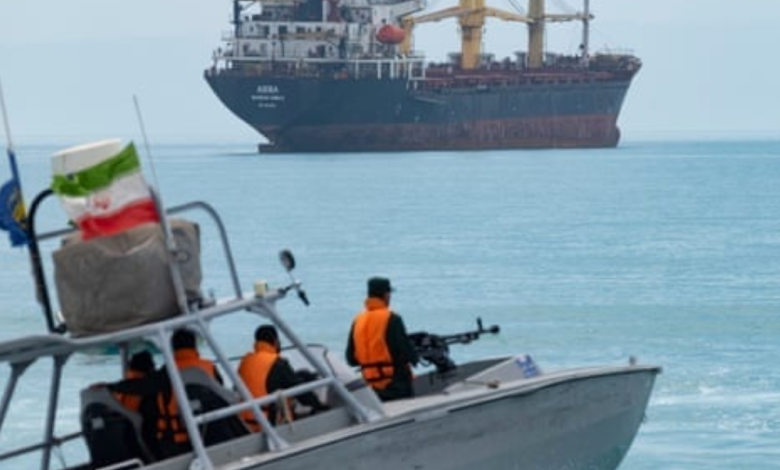
ولفهم أبعاد هذا الرفض الدولي، يجب النظر إلى الأهمية الجيوسياسية والاقتصادية لمضيق هرمز. يُعد المضيق، الذي يربط بين الخليج العربي وخليج عُمان وبحر العرب، أهم شريان مائي في العالم لنقل إمدادات الطاقة. ووفقاً للبيانات الموثوقة، يمر عبر هذا المضيق الضيق نحو خُمس الاستهلاك العالمي من النفط، بالإضافة إلى كميات هائلة من الغاز الطبيعي المسال. وبالتالي، فإن أي تعطيل لحركة الملاحة أو فرض رسوم إضافية سيؤدي حتماً إلى ارتفاع تكاليف الشحن والتأمين، مما ينعكس بشكل مباشر وسلبي على أسعار الطاقة العالمية، ويزيد من معدلات التضخم التي ترهق الاقتصاد العالمي. كما أن اتفاقية الأمم المتحدة لقانون البحار تكفل حق “المرور العابر” للسفن في المضائق الدولية، مما يجعل أي رسوم أحادية الجانب غير قانونية ومخالفة للأعراف الدبلوماسية.
تقييد حركة الملاحة وعبور 15 سفينة يومياً
وعلى الصعيد الميداني، وبالرغم من الإعلان عن التوصل إلى وقف لإطلاق النار بين الولايات المتحدة الأمريكية وإيران ليل الثلاثاء الأربعاء، إلا أن حركة الملاحة التجارية لا تزال تواجه قيوداً مشددة في المضيق. وفي تطور لافت، صرح مسؤول إيراني بأن طهران لن تسمح بمرور أكثر من 15 سفينة يومياً عبر مضيق هرمز. ونقلت قناة “العربية” عن وكالة “تاس” الروسية للأنباء تأكيد المسؤول الإيراني على هذا التقييد الصارم.
من جانبه، علق البيت الأبيض على هذه التطورات، معرباً عن تفاؤله الحذر بعودة الأمور إلى طبيعتها في المستقبل القريب جداً في حال تم فتح مضيق هرمز بشكل كامل أمام حركة التجارة الدولية. وأوضح البيت الأبيض في بيان له أنه تم رصد مرور سفن متفرقة عبر المضيق، مما يشير إلى استمرار الحركة وإن كانت بوتيرة أبطأ من المعتاد. وتبقى أنظار المجتمع الدولي، وخاصة الدول المستوردة للطاقة، موجهة نحو هذا الممر المائي، وسط دعوات مستمرة لضرورة تحييد الممرات البحرية عن الصراعات السياسية والعسكرية لضمان استقرار الاقتصاد العالمي.