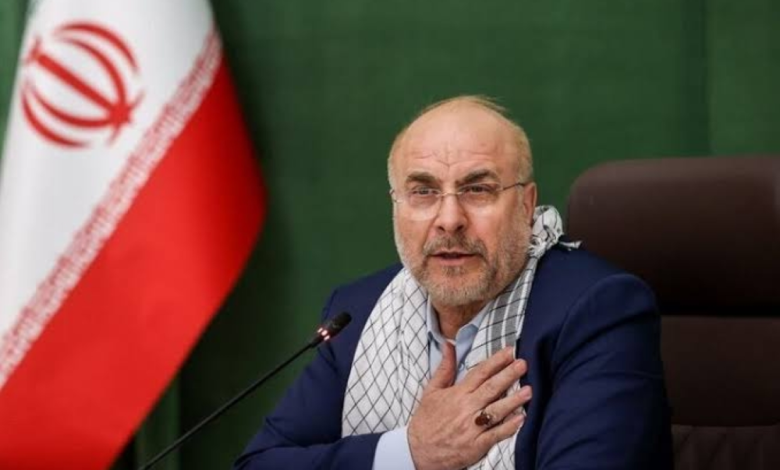

New developments in the course of Iranian-American negotiations
Iranian Parliament Speaker Mohammad Bagher Ghalibaf revealed important details and developments regarding the course of Iranian-American negotiations. Ghalibaf confirmed that the indirect peace talks between Tehran and Washington had made "tangible progress," but had not yet reached the point of a final and comprehensive agreement that would satisfy all parties involved.
Details of the talks and official statements
In explaining the course of events, Qalibaf pointed to his active participation in a series of talks held last week in the Pakistani capital, Islamabad. He stated clearly, “We are still far from a final agreement.” In an extensive interview with Iranian state television, he added, “We have made progress in the negotiations, but there are still many gaps and some fundamental issues that require more time and diplomatic effort to resolve.”.
The historical context of relations and negotiations
To understand the nature of these Iranian-American negotiations, one must consider the complex historical context between the two countries. Relations have been strained for decades, particularly since the United States unilaterally withdrew in 2018 from the nuclear agreement (Joint Comprehensive Plan of Action, or JCPOA) signed in 2015. Since then, Washington has imposed harsh economic sanctions on Tehran as part of its “maximum pressure” campaign, prompting Iran to gradually reduce its nuclear commitments. These new rounds of talks, often facilitated by regional and international mediators, aim to find common ground, prevent escalation, and establish a new phase of stability.
Expected impact: locally, regionally, and internationally
Any breakthrough in Iranian-American negotiations extremely important strategic dimensions on several levels:
- On the domestic front: Lifting or easing economic sanctions is a top priority for the Iranian government, as this will contribute to reviving the local economy, stabilizing the national currency, and improving the living conditions of citizens who have suffered from the burden of inflation.
- Regionally, any US-Iranian agreement would directly impact the security and stability of the Middle East and the Arabian Gulf. De-escalation would reduce security tensions in vital waterways such as the Strait of Hormuz and positively affect other interconnected regional issues.
- Internationally, global markets, particularly energy and oil markets, are closely monitoring these talks. A formal and full return of Iranian oil to global markets could contribute to stabilizing energy prices. Furthermore, reaching an agreement that reduces nuclear tensions is a paramount security interest for the entire international community.
Summary and future prospects
In conclusion, the Iranian parliament speaker's remarks reflect a cautious optimism. While acknowledging progress in the Iranian-American negotiations, fundamental obstacles remain to reaching a final agreement. The coming weeks and months will determine whether the political will on both sides can overcome these gaps, or whether the situation will remain in a state of diplomatic stalemate.