
مقدمة: تغييرات إدارية مرتقبة في قلعة العميد
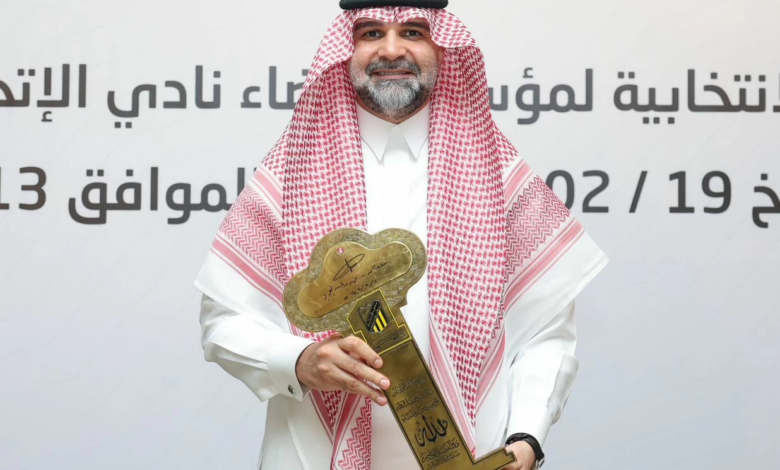
في إعلان يحمل الكثير من التغييرات المستقبلية لواحد من أعرق الأندية السعودية والآسيوية، حسم فهد سندي، رئيس مجلس إدارة نادي الاتحاد، الجدل الدائر حول مستقبله الإداري مع النادي. حيث أكد بشكل قاطع أن رحلته في سدة الرئاسة ستصل إلى خط النهاية في منتصف شهر أغسطس القادم، مشيراً إلى عدم رغبته في الاستمرار في هذا المنصب، ومؤكداً التزامه بمبدأ حياتي راسخ: «اعمل لدنياك كأنك تعيش أبداً، واعمل لآخرتك كأنك تموت غداً».
السياق التاريخي وأهمية الاستقرار في نادي الاتحاد
يُعد نادي الاتحاد، الملقب بـ “العميد” لكونه أقدم الأندية السعودية تأسيساً (عام 1927)، ركيزة أساسية في المشهد الرياضي السعودي والآسيوي. وتأتي هذه التغييرات الإدارية في وقت تشهد فيه الرياضة السعودية، وتحديداً دوري روشن للمحترفين، طفرة تاريخية واستثمارات عالمية غير مسبوقة. لذلك، فإن أي تغيير في الهرم الإداري لنادي بحجم الاتحاد يحمل تأثيراً بالغاً على المستوى المحلي والإقليمي، حيث تترقب الجماهير والمحللون كيف ستنعكس هذه التحولات على استعدادات الفريق للموسم الكروي الجديد، ومدى قدرة الإدارة القادمة على مواصلة المنافسة على الألقاب.
رسالة صريحة لجماهير الاتحاد: “يحق لكم الزعل”
لم يغفل فهد سندي عن توجيه رسالة مباشرة وشفافة إلى المدرج الاتحادي الذي يُعرف بشغفه الكبير وتأثيره الحاسم. واعترف سندي بحق الجماهير في الغضب والعتب على أي قصور، واعداً إياهم بأن الشهرين المتبقيين من فترته سيشهدان عملاً مكثفاً ومضاعفاً لترتيب أوراق الفريق للموسم القادم. وبعث برسالة طمأنينة قائلاً: «بإذن الله سيعود اتحادنا»، في إشارة إلى ثقته في قدرة النادي على تجاوز التحديات والعودة إلى منصات التتويج.
المدرجات المفتوحة والتواصل المباشر مع الجماهير
وفيما يخص العلاقة مع الجماهير وقضية إغلاق أو فتح المدرجات، شدد سندي على أنه من أكبر الداعمين لفتح المدرجات. وأوضح أنه سعى منذ اليوم الأول لتوليه الرئاسة إلى استعادة “العادة الاتحادية الأصيلة” المتمثلة في التواصل المباشر والحي مع الجمهور. وأكد أنه لم يكتفِ يوماً بالتواصل الافتراضي عبر منصات التواصل الاجتماعي، بل كان يحرص شخصياً على الوقوف في ساحات المواقف بعد المباريات للحديث وجهاً لوجه مع المشجعين. واعتبر سندي أن جمهور الاتحاد هو “الرقم الصعب والمحفز الأول”، وأن حضوره في المدرجات ينعكس بشكل مباشر وكبير على الروح المعنوية للاعبين.
حقيقة تصريح “الهبد” ومواجهة الشائعات الرياضية
تتسم بيئة كرة القدم الحديثة بكثرة الشائعات، خاصة في فترات الانتقالات والتغييرات الإدارية. وفي هذا السياق، أوضح سندي حقيقة استخدامه لكلمة «الهبد» التي أثارت تفاعلاً واسعاً. وبيّن أن الكلمة جاءت كـ “دعابة” ولقطة تفاعلية عفوية وسط سيل من الشائعات اليومية التي كانت تهدف إلى تضليل المدرج الاتحادي. وأكد أن هدفه كان التواصل المباشر لتوضيح الحقائق ووضع حد للخلط بين الوقائع والشائعات التي تؤثر سلباً على استقرار النادي.
كواليس فنية: أزمة الوقت والاعتماد على دومبيا
على الصعيد الفني، تطرق رئيس النادي إلى واحدة من القضايا التي شغلت بال الجماهير، وهي المتعلقة برحيل اللاعب كانتي. وكشف سندي عن كواليس هذا الملف، موضحاً أن خطة الإدارة كانت تعتمد على جلب لاعب بديل في نفس المركز. إلا أن ضيق الوقت في سوق الانتقالات والضغوطات المرتبطة بحسم الصفقات حالت دون إتمام التعاقد مع البديل المناسب، مما دفع الجهاز الفني والإداري للاعتماد حصرياً على اللاعب دومبيا لسد الفراغ. وتعكس هذه الحادثة حجم التحديات التي تواجه الإدارات في إدارة ملف التعاقدات تحت ضغط الوقت والمنافسة الشرسة.