
Urgent warning from the National Center for Meteorology
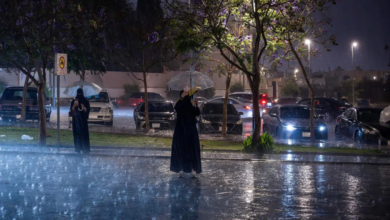
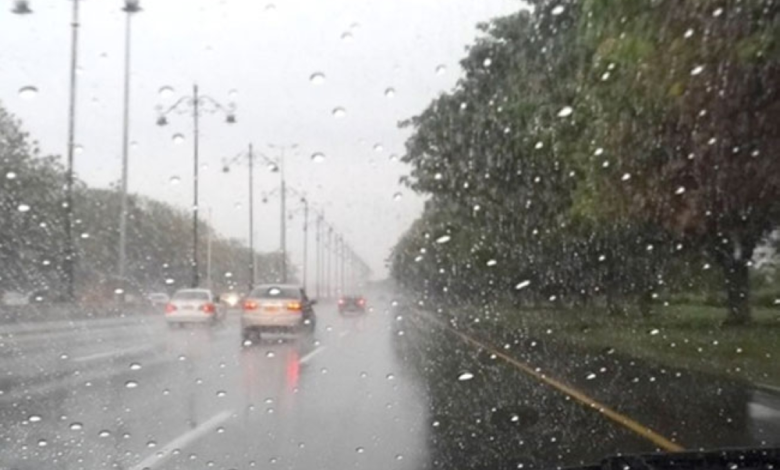
The National Center for Meteorology in Saudi Arabia issued an advanced warning today, reaching the level of "red alert," indicating expectations of heavy rainfall across large parts of seven administrative regions on Thursday. This unstable weather system will be accompanied by a number of severe weather phenomena that require the utmost caution.
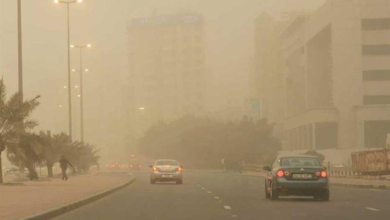
According to the center’s report, the effects associated with this situation include high-speed winds that may cause unstable objects to be blown away, near-total loss of horizontal visibility, as well as hail of varying sizes, flash floods in valleys and low-lying areas, and strong thunderstorms.
The affected regions and governorates in detail
The red alert covered multiple regions and governorates, which are as follows:
- Eastern Province: Hafr Al-Batin, Al-Khafji, Al-Nairiyah, and Qaryat Al-Ulya.
- Riyadh region: Al-Zulfi, Al-Ghat, Al-Majma’ah, Shaqra, Al-Dawadmi, Al-Rayn, Al-Quway’iyah, and Afif.
- Makkah Region: Al-Khurmah, Al-Muwayh, Turabah, and Ranyah.
- Al-Qassim region: Aban, Al-Khabra, Ar-Rass, Al-Fawarah, An-Nabhania, Riyadh Al-Khabra, Dhariyah, Uqlat As-Suqur, Al-Asyah, Al-Badai, Al-Bukayriyah, At-Thamiriya, Ash-Shamasiyah, Al-Mudhnib, Buraydah, Unayzah, and Uyun Al-Jawa.
- Hail region: Al-Hait, Al-Sulaimi, Al-Shamli, Al-Ghazala, Hail, Muwaqq, Al-Shanan, Baqaa, and Samira.
- Tabuk region: Tayma.
- Northern Border Region: Al-Uwaiqilah and Rafha.
Climate context and the importance of warnings
This weather pattern occurs during a transitional period in the Kingdom's weather during spring, known locally as the "Marawih" or "Sarayat" period. This period is typically characterized by the activity of low-pressure systems, leading to atmospheric instability and the formation of cumulonimbus clouds that produce thunderstorms and rain. The "Red Alert" is the highest level in the early warning system adopted by the National Center for Meteorology and is issued in cases where imminent and severe impacts on life and property are anticipated.
The center works in cooperation with relevant authorities such as the General Directorate of Civil Defense and other security agencies around the clock to monitor weather developments and issue necessary alerts to ensure the safety of citizens and residents.
Expected effects and calls for caution
This weather system is expected to have a direct impact on daily life in the affected areas. Flash floods pose a significant risk, particularly in valleys and ravines that can transform into dangerous waterways within minutes. Strong winds may also cause property damage and disrupt traffic. Local authorities may suspend classes or close some roads as a precautionary measure.
The relevant authorities, especially the Civil Defense, reiterate their call for everyone to stay away from flood channels and valleys, and to avoid crossing them for any reason. They also stress the need to secure objects that could be blown away on rooftops, to exercise caution while driving in the absence of visibility and heavy rainfall, and to follow weather bulletins and warnings issued by official sources.