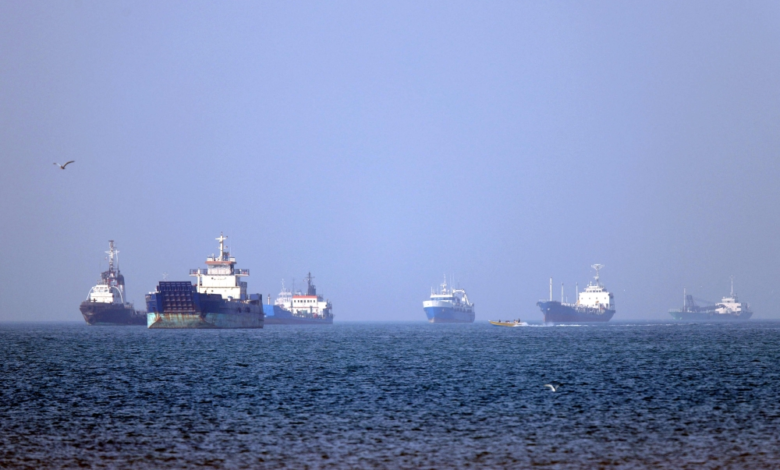

في تصريح يعكس ذروة التوتر بين واشنطن وطهران خلال فترة رئاسته، أعلن الرئيس الأمريكي السابق دونالد ترامب عن اتخاذ موقف حازم تجاه التحركات الإيرانية في مياه الخليج العربي، مؤكداً أن السفن الإيرانية التي قامت بمهاجمة المدمرات الأمريكية قد تم تدميرها بالكامل. ووصف ترامب القيادة الإيرانية بأنها “مجانين”، مشدداً على أن إدارته لن تسمح لإيران بامتلاك السلاح النووي تحت أي ظرف.
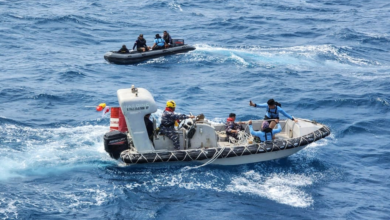
وأضاف ترامب في تصريحاته أن وقف إطلاق النار مع إيران لا يزال قائماً ولكنه قيد التنفيذ، مهدداً بأن أي خرق له سيقابل برد أقوى. وأشار إلى أن المدمرات الأمريكية ستنضم إلى الحصار البحري المفروض على إيران، مؤكداً تدمير العديد من الزوارق الإيرانية الصغيرة التي استخدمت في عمليات التحرش بالقطع البحرية الأمريكية في مضيق هرمز.
السياق العام وسياسة الضغط الأقصى
تأتي هذه التصريحات في سياق سياسة “الضغط الأقصى” التي تبنتها إدارة ترامب بعد انسحاب الولايات المتحدة أحادي الجانب من الاتفاق النووي الإيراني (خطة العمل الشاملة المشتركة) في عام 2018. هدفت هذه السياسة إلى إجبار إيران على إعادة التفاوض بشأن برنامجها النووي، وتقييد برنامجها الصاروخي الباليستي، ووقف دعمها للجماعات المسلحة في الشرق الأوسط. وقد شملت هذه السياسة فرض عقوبات اقتصادية خانقة أثرت بشكل كبير على الاقتصاد الإيراني، مما أدى إلى تصاعد التوتر بين البلدين على عدة جبهات.
أهمية مضيق هرمز وتأثير التوتر
يعتبر مضيق هرمز أحد أهم الممرات المائية في العالم، حيث يمر عبره ما يقرب من خُمس استهلاك النفط العالمي. أي تصعيد عسكري في هذه المنطقة الحيوية يهدد بتعطيل إمدادات الطاقة العالمية، مما قد يؤدي إلى ارتفاع حاد في أسعار النفط والتأثير سلباً على الاقتصاد العالمي. الحوادث المتكررة بين القوات البحرية الإيرانية، خاصة زوارق الحرس الثوري السريعة، والسفن الحربية والتجارية الدولية، جعلت من المضيق بؤرة توتر دائمة، حيث يمكن لأي خطأ في الحسابات أن يشعل صراعاً واسع النطاق.
التأثير الإقليمي والدولي
أثارت سياسة المواجهة التي انتهجها ترامب قلق حلفاء الولايات المتحدة في المنطقة وأوروبا. فبينما دعمت بعض دول الخليج الموقف الأمريكي الحازم، خشيت دول أخرى من أن يؤدي التصعيد إلى حرب مدمرة في جوارها المباشر. أما القوى الأوروبية، الموقعة على الاتفاق النووي، فقد حاولت جاهدة الحفاظ على الاتفاق وإيجاد سبل دبلوماسية لنزع فتيل الأزمة، معتبرة أن سياسة الضغط الأقصى قد تأتي بنتائج عكسية وتدفع إيران نحو مزيد من التشدد. شكلت هذه الفترة اختباراً حقيقياً للعلاقات الدولية، وأبرزت خطورة المواجهة المباشرة بين قوة عالمية وقوة إقليمية طموحة في واحدة من أكثر مناطق العالم حساسية.