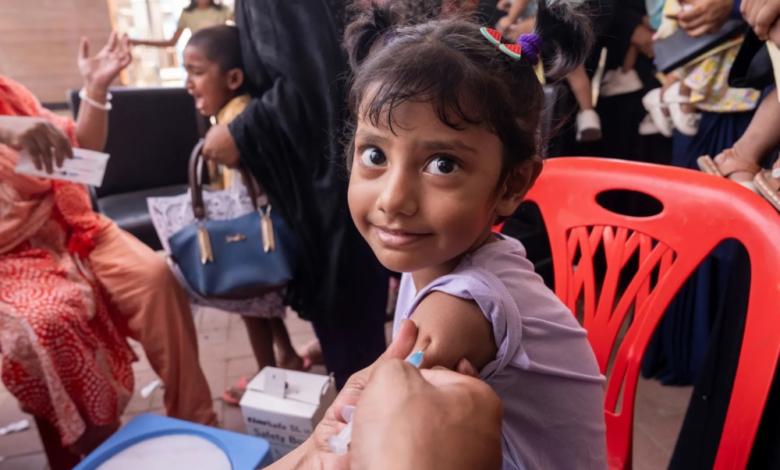

أعلنت السلطات الصحية في بنجلاديش عن أزمة صحية متفاقمة، حيث أودى تفشي مرض الحصبة بحياة 344 طفلاً منذ شهر مارس الماضي، مع استمرار تسجيل مئات الإصابات الجديدة يومياً، مما يضع النظام الصحي في البلاد تحت ضغط هائل ويثير مخاوف إقليمية ودولية.
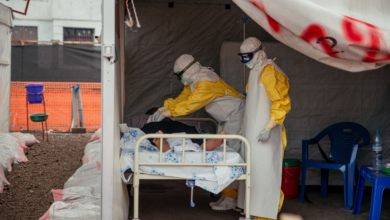
ووفقاً للبيانات الرسمية الصادرة عن المديرية العامة للخدمات الصحية، شهدت الساعات الأربع والعشرون الأخيرة وحدها وفاة 11 طفلاً، تم تأكيد إصابة أربعة منهم بالحصبة، بينما ظهرت على الآخرين أعراض متوافقة مع المرض. وأوضحت المديرية أن من بين إجمالي الوفيات، تم تأكيد إصابة 65 طفلاً بالفيروس بشكل قاطع، في حين توفي البقية بعد معاناتهم من أعراض المرض الشديدة. وتتفاقم الأزمة مع رصد 282 إصابة جديدة خلال يوم واحد، ونقل 1278 طفلاً إلى المستشفيات للاشتباه في إصابتهم.
السياق العام: الحصبة كتهديد عالمي
الحصبة هي مرض فيروسي شديد العدوى ينتقل عبر الرذاذ التنفسي، ويشكل خطراً كبيراً على الأطفال غير الملقحين أو الذين يعانون من سوء التغذية. ورغم توفر لقاح آمن وفعال منذ عقود، لا تزال الحصبة سبباً رئيسياً للوفاة بين الأطفال الصغار على مستوى العالم. تشمل أعراضها الأولية الحمى المرتفعة والسعال وسيلان الأنف واحمرار العينين، تليها ظهور طفح جلدي مميز. وتكمن خطورة المرض في مضاعفاته التي قد تكون مميتة، مثل الالتهاب الرئوي والتهاب الدماغ.
أهمية الحدث وتأثيره المتوقع
على المستوى المحلي: يمثل هذا التفشي ضغطاً هائلاً على النظام الصحي في بنجلاديش، التي تواجه تحديات بنيوية مرتبطة بالكثافة السكانية العالية وصعوبة الوصول إلى الخدمات الصحية في بعض المناطق الريفية والمخيمات المكتظة. كما يكشف عن وجود فجوات محتملة في تغطية التحصين الروتيني، والتي قد تكون تفاقمت بسبب الاضطرابات التي أحدثتها جائحة كوفيد-19 على برامج التطعيم العالمية. وتتحمل الأسر عبئاً اقتصادياً ونفسياً فادحاً جراء فقدان أطفالها أو تكاليف علاجهم.
على المستويين الإقليمي والدولي: يثير تفشي الحصبة في دولة مكتظة بالسكان مثل بنجلاديش قلقاً من انتقال العدوى عبر الحدود إلى الدول المجاورة، مما قد يؤدي إلى أزمة صحية إقليمية. وعلى الصعيد الدولي، يُعد هذا الحدث بمثابة انتكاسة للجهود العالمية الرامية إلى القضاء على الحصبة، ويسلط الضوء على التهديد المستمر الذي تشكله الأمراض التي يمكن الوقاية منها باللقاحات في ظل تراجع معدلات التحصين في أجزاء مختلفة من العالم. وتؤكد هذه الأزمة على ضرورة تضافر الجهود الدولية لدعم برامج التطعيم الوطنية وضمان وصول اللقاحات إلى كل طفل.