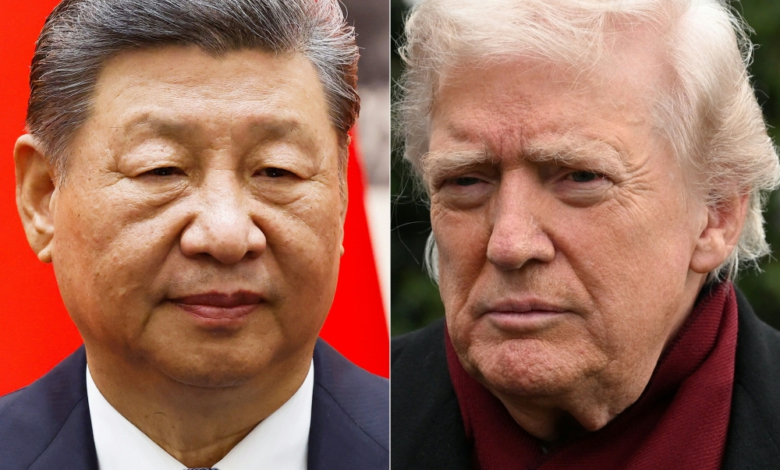

في خطوة تعكس تصاعد التوترات الجيوسياسية، يعتزم الرئيس الأمريكي السابق دونالد ترامب ممارسة ضغوط كبيرة على نظيره الصيني شي جين بينغ خلال القمة المرتقبة في بكين، بهدف حث الصين على تشديد موقفها تجاه إيران. وتأتي هذه المحاولة في سياق استراتيجية “الضغط الأقصى” التي تبنتها إدارة ترامب لعزل طهران اقتصادياً ودبلوماسياً، حيث تعتبر واشنطن أن بكين تلعب دوراً محورياً في إبقاء الاقتصاد الإيراني صامداً.
خلفية التوتر: سياسة الضغط الأقصى الأمريكية
تعود جذور هذه المواجهة إلى قرار إدارة ترامب بالانسحاب أحادي الجانب من الاتفاق النووي الإيراني (خطة العمل الشاملة المشتركة) في عام 2018. عقب الانسحاب، أعادت واشنطن فرض عقوبات اقتصادية صارمة على إيران، استهدفت بشكل أساسي قطاعي النفط والبنوك، بهدف إجبار طهران على إعادة التفاوض على اتفاق جديد يشمل برنامجها الصاروخي وسياساتها الإقليمية. ولكي تنجح هذه الاستراتيجية، سعت الولايات المتحدة إلى إقناع أو إجبار دول العالم، بما في ذلك الحلفاء والخصوم، على وقف تعاملاتها التجارية مع إيران، خاصة واردات النفط.
دور الصين كشريك اقتصادي لإيران
تُعد الصين أحد أكبر الشركاء التجاريين لإيران وأحد المستوردين الرئيسيين لنفطها الخام. وعلى الرغم من العقوبات الأمريكية، حافظت بكين على علاقاتها الاقتصادية مع طهران، معتبرةً أن العقوبات الأمريكية أحادية الجانب وتفتقر إلى الشرعية الدولية. ويرى المسؤولون الأمريكيون أن استمرار الصين في شراء النفط الإيراني يوفر لطهران شريان حياة مالي حيوي، مما يقوض فعالية حملة الضغط الأقصى. بالإضافة إلى ذلك، تتهم واشنطن بكين بتزويد إيران بتقنيات ومنتجات ذات استخدام مزدوج، يمكن توظيفها في أغراض مدنية وعسكرية، وهو ما يثير قلقاً بالغاً لدى الإدارة الأمريكية.
أبعاد القمة: ما وراء الملف الإيراني
لن تقتصر المباحثات بين ترامب وشي على الملف الإيراني فقط. تتزامن القمة مع حرب تجارية محتدمة بين أكبر اقتصادين في العالم، حيث يتبادل الطرفان فرض رسوم جمركية على سلع بمليارات الدولارات. من المتوقع أن يستغل ترامب ملف إيران كورقة ضغط في المفاوضات التجارية، في محاولة لانتزاع تنازلات من بكين. كما ستشمل أجندة القمة قضايا استراتيجية أخرى مثل مستقبل التكنولوجيا، والمنافسة في مجال الذكاء الاصطناعي، وحقوق الملكية الفكرية، وهي جميعها نقاط خلاف جوهرية بين البلدين.
التأثيرات المتوقعة للقمة
تحمل هذه القمة أهمية كبرى على الصعيدين الإقليمي والدولي. فإذا استجابت الصين للضغوط الأمريكية وخفضت بشكل كبير وارداتها من النفط الإيراني، فسيمثل ذلك ضربة قاصمة للاقتصاد الإيراني وقد يدفع طهران نحو مزيد من التصعيد في المنطقة. أما إذا رفضت بكين هذه الضغوط، فإن ذلك سيعزز من صورتها كقوة عالمية مستقلة ترفض الإملاءات الأمريكية، ولكنه قد يؤدي في المقابل إلى فرض واشنطن عقوبات على شركات صينية تتعامل مع إيران، مما يزيد من تعقيد العلاقات الثنائية المتوترة أصلاً. وبالتالي، فإن نتائج المباحثات بين الزعيمين في بكين سترسم ملامح المشهد الجيوسياسي العالمي لسنوات قادمة.