
تباين الرؤى حول النطاق الجغرافي لعمليات الناتو
في ظل التوترات الجيوسياسية المتصاعدة في منطقة الشرق الأوسط، برزت تباينات واضحة في الرؤى بين الدول الأعضاء في حلف شمال الأطلسي حول النطاق الجغرافي لعمليات الحلف. وفي هذا السياق، أكدت وزيرة الدولة الفرنسية لشؤون الجيش، أليس روفو، على الموقف الفرنسي الثابت حيال دور الحلف، مشددة على أن “الناتو” هو تحالف عسكري تأسس بالأساس لضمان أمن منطقة أوروبا والمحيط الأطلسي، وليس أداة لتنفيذ عمليات عسكرية خارج هذا النطاق.
الموقف الفرنسي وحماية القانون الدولي
وخلال مشاركتها في مؤتمر “الحرب والسلام” المنعقد في العاصمة الفرنسية باريس، أوضحت روفو أن توجيه قوات الناتو لتنفيذ مهام في مضيق هرمز الاستراتيجي يُعد انتهاكاً صريحاً للقانون الدولي وميثاق الحلف. ويحظى مضيق هرمز بأهمية عالمية بالغة، إذ يمر عبره نحو خُمس إنتاج النفط العالمي، مما يجعله نقطة اختناق بحرية حساسة. وترى فرنسا والدول الأوروبية أن حماية الملاحة في هذه المنطقة يجب أن تتم عبر تحالفات بحرية دولية أو مبادرات أوروبية مستقلة، بعيداً عن المظلة الرسمية لحلف الناتو لتجنب تصعيد التوتر مع طهران.
بريطانيا تدافع عن فاعلية الحلف التاريخية
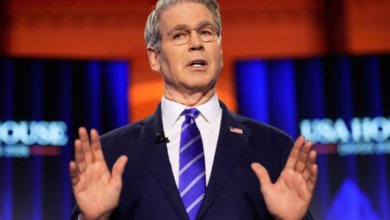
على الجانب الآخر، وفي مواجهة الانتقادات المتكررة التي يتعرض لها الحلف، انبرى رئيس الوزراء البريطاني كير ستارمر للدفاع عن حلف شمال الأطلسي. وخلال مؤتمر صحفي عُقد في مقر رئاسة الحكومة البريطانية، وصف ستارمر الناتو بأنه “التحالف العسكري الأكثر فاعلية الذي عرفه العالم على الإطلاق”. وأكد التزام المملكة المتحدة الكامل والمطلق بالحلف، مشيراً إلى أن الناتو كان الضامن الأساسي للأمن والاستقرار في القارة الأوروبية منذ عقود طويلة، خاصة في مواجهة التهديدات الأمنية المتغيرة، ومشدداً على أن الحلف يكفل أمن الدول الأعضاء بشكل لا يقبل التشكيك.
انتقادات ترامب ووصف الناتو بـ “النمر من ورق”
وجاءت تصريحات ستارمر كرد مباشر على الهجوم اللاذع الذي شنه الرئيس الأمريكي السابق دونالد ترامب. ففي مقابلة حديثة مع صحيفة “ديلي تلغراف” البريطانية نُشرت يوم الأربعاء، جدد ترامب انتقاداته المعتادة للحلف، واصفاً إياه بأنه “نمر من ورق”. واستند ترامب في هجومه إلى رفض الدول الأوروبية الأعضاء في الناتو الانخراط أو المشاركة في أي عمل عسكري أو حرب محتملة ضد إيران. ويُذكر أن فترة رئاسة ترامب شهدت توترات غير مسبوقة بين ضفتي الأطلسي، حيث طالب مراراً بزيادة الإنفاق الدفاعي الأوروبي وهدد مراراً بتقليص الدعم الأمريكي.
السياق التاريخي والتأثير الاستراتيجي
تاريخياً، تأسس حلف شمال الأطلسي (الناتو) عام 1949 في أعقاب الحرب العالمية الثانية، بهدف رئيسي هو مواجهة التوسع السوفيتي في أوروبا. وينص البند الخامس من ميثاق الحلف على مبدأ الدفاع الجماعي، والذي يقتصر جغرافياً على أراضي الدول الأعضاء في أوروبا وأمريكا الشمالية. هذا التحديد الجغرافي هو ما تستند إليه باريس في رفضها لتوسيع مهام الحلف لتشمل الشرق الأوسط.
إن هذا التباين في المواقف يعكس أزمة أعمق في الرؤية الاستراتيجية لمستقبل الناتو. فعلى الصعيد الإقليمي، يبعث الموقف الأوروبي برسالة طمأنة مفادها عدم الرغبة في عسكرة الأزمات في الخليج العربي تحت راية الناتو. أما دولياً، فإنه يسلط الضوء على التحديات التي تواجه التماسك الغربي، خاصة مع استمرار التباين بين واشنطن والعواصم الأوروبية حول كيفية التعامل مع الملف الإيراني وتأمين إمدادات الطاقة العالمية دون الانجرار إلى صراعات مفتوحة.