
مقدمة عن اللقاء الاستراتيجي بين مجلس التعاون وكندا
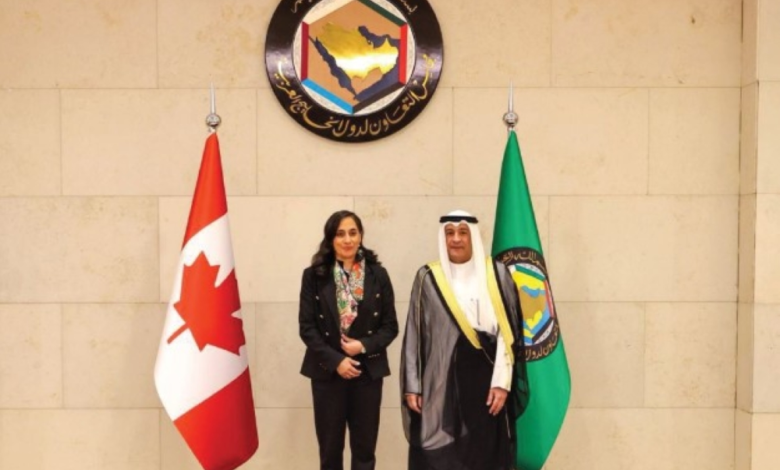
في خطوة دبلوماسية هامة تعكس عمق العلاقات الدولية، استقبل معالي الأمين العام لمجلس التعاون لدول الخليج العربية، الأستاذ جاسم محمد البديوي، اليوم في مقر الأمانة العامة بالعاصمة السعودية الرياض، وزيرة خارجية كندا، أنيتا أناند. يأتي هذا اللقاء رفيع المستوى في إطار السعي المستمر لتعزيز الروابط الاستراتيجية وبحث خطة عمل مشتركة تهدف إلى توطيد التعاون الثنائي بين دول الخليج وكندا في مختلف المجالات السياسية والاقتصادية والأمنية، بما يخدم التطلعات المستقبلية للجانبين.
السياق التاريخي للعلاقات الخليجية الكندية
تتمتع دول مجلس التعاون الخليجي وكندا بتاريخ طويل من العلاقات الدبلوماسية والتجارية المبنية على الاحترام المتبادل والمصالح المشتركة. على مر العقود، تطورت هذه العلاقات لتشمل حوارات استراتيجية وشراكات اقتصادية واسعة النطاق. وتنظر كندا إلى منطقة الخليج العربي كشريك حيوي ومحوري ليس فقط في مجال الطاقة، بل أيضاً كقوة استثمارية فاعلة على الساحة الدولية. وفي المقابل، ترى دول الخليج في كندا شريكاً موثوقاً يمتلك خبرات متقدمة في مجالات التكنولوجيا، التعليم، والابتكار، مما يجعل تعزيز هذه العلاقات خطوة طبيعية نحو تحقيق التنمية المستدامة للجانبين.
التحديات الأمنية والتصعيد الإقليمي
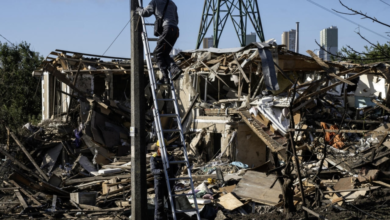
تصدرت الملفات الأمنية جدول أعمال اللقاء، حيث تمت مناقشة التداعيات الخطيرة للتصعيد الذي تشهده منطقة الشرق الأوسط. وتطرق الجانبان بشكل مفصل إلى الاعتداءات الإيرانية التي استهدفت دول مجلس التعاون، والتي تمثل تهديداً مباشراً للأمن والاستقرار الإقليمي والدولي. وأكد معالي الأمين العام إدانة مجلس التعاون الشديدة لهذه الممارسات العدوانية التي تنتهك سيادة الدول وتعد خرقاً سافراً لكافة القوانين والأعراف الدولية. إن استقرار منطقة الخليج العربي ليس شأناً محلياً فحسب، بل هو ركيزة أساسية للأمن العالمي، نظراً لأهمية المنطقة الاستراتيجية في ضمان استمرار إمدادات الطاقة العالمية دون انقطاع.
الموقف الكندي ودعم القرارات الدولية
من جانبها، أعربت وزيرة خارجية كندا عن دعم بلادها الكامل والثابت لدول مجلس التعاون الخليجي في مواجهة أي تهديدات تمس أمنها واستقرارها. وشدد الجانبان على ضرورة الوقف الفوري لكافة الأعمال العدائية، وأهمية التزام إيران بتطبيق القرارات الدولية، وفي مقدمتها القرار الأممي 2817. وقد وجه معالي الأمين العام شكره وتقديره العميق لكندا على موقفها الداعم لهذا القرار، مؤكداً أن التنسيق الدولي هو السبيل الأمثل لردع التجاوزات وضمان احترام سيادة الدول. كما تم التأكيد على ضرورة الحفاظ على حرية الملاحة وفتح مضيق هرمز أمام سلاسل الإمداد الإقليمية والعالمية، وهو ممر مائي استراتيجي يمر عبره جزء كبير من حركة التجارة العالمية.
خطة العمل المشتركة وتعزيز العلاقات التجارية
على الصعيد الاقتصادي، بحث اللقاء سبل تفعيل وتطوير التعاون المشترك بين مجلس التعاون وكندا من خلال خطة العمل المشتركة بين الجانبين. تم استعراض ودراسة مجموعة من المقترحات التي من شأنها أن تسهم في تعزيز العلاقات التجارية والاستثمارية. يهدف هذا التعاون الاقتصادي إلى تنويع مصادر الدخل، تبادل الخبرات، وفتح أسواق جديدة للمستثمرين من كلا الجانبين. إن تعزيز الشراكة الاقتصادية بين دول المجلس وكندا سيسهم بلا شك في تحقيق المصالح المشتركة، ودعم النمو الاقتصادي، وخلق فرص عمل جديدة، مما يعود بالنفع على شعوب المنطقتين ويعزز من متانة الاقتصاد العالمي في مواجهة التحديات الراهنة.