
ارتباط أسعار الطاقة في ألمانيا بعودة الملاحة في مضيق هرمز
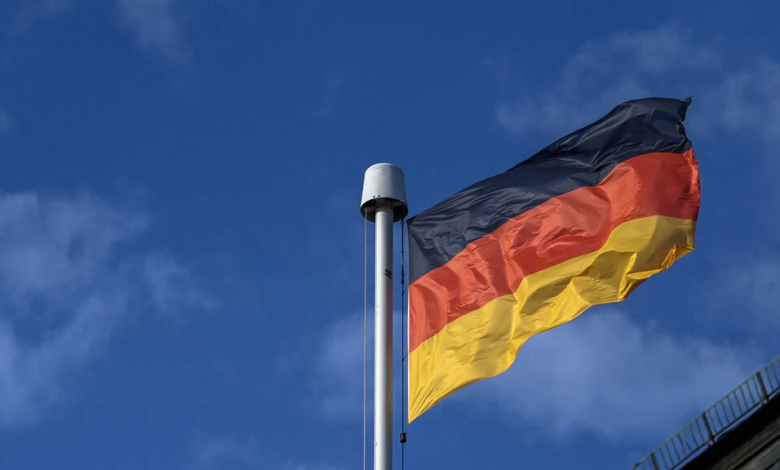
أعلنت الحكومة الألمانية بشكل رسمي أن التراجع الملحوظ في أسعار الطاقة في ألمانيا لن يحدث على المدى القريب، مؤكدة أن هذا الانخفاض مرهون بعودة حركة الملاحة بشكل كامل وطبيعي في مضيق هرمز. وأوضح متحدث باسم الحكومة الألمانية في تصريحات صحفية أن الأسواق تحتاج إلى بعض الوقت لتستوعب المتغيرات الجيوسياسية، وأن الانخفاضات الكبيرة في أسعار الوقود والغاز ترتبط بشكل وثيق باستئناف التدفقات النفطية عبر الممرات المائية الاستراتيجية.
السياق التاريخي والأهمية الاستراتيجية لمضيق هرمز
يُعد مضيق هرمز واحداً من أهم الممرات المائية وأكثرها حساسية في العالم، حيث يمر عبره نحو خُمس الاستهلاك العالمي من النفط الخام، بالإضافة إلى كميات ضخمة من الغاز الطبيعي المسال. تاريخياً، لطالما كانت أسعار الطاقة العالمية شديدة التأثر بأي توترات أمنية أو سياسية في هذه المنطقة. وتعتمد الدول الصناعية الكبرى، وفي مقدمتها ألمانيا، بشكل كبير على استقرار هذا الممر لضمان استمرار إمدادات الطاقة بأسعار معقولة. وأي تعطل في حركة الملاحة هناك ينعكس فوراً على تكاليف الإنتاج والشحن، مما يؤدي إلى موجات تضخمية تضرب الاقتصادات المحلية والعالمية.
هدنة مؤقتة وتوقعات الأسواق العالمية
جاءت التصريحات الألمانية في ظل تطورات سياسية هامة، حيث توصلت الولايات المتحدة الأمريكية وإيران إلى هدنة مؤقتة لمدة أسبوعين. شملت هذه الهدنة اتفاقاً لوقف إطلاق النار وإعادة فتح مضيق هرمز أمام حركة الملاحة التجارية. هذه الخطوة الاستراتيجية دعمت توقعات الأسواق المالية والتجارية بإمكانية انخفاض أسعار الطاقة مع استئناف تدفقات النفط والغاز. ومع ذلك، تبقى الأسواق في حالة ترقب حذر، حيث أن استقرار الأسعار يتطلب حلولاً مستدامة وليس مجرد فترات توقف مؤقتة للتوترات.
مستويات قياسية لأسعار الوقود في ألمانيا
على الصعيد المحلي، يعاني المواطن الألماني من تبعات هذه الأزمة بشكل مباشر. فقد أعلن نادي السيارات الألماني (ADAC) أن أسعار وقود الديزل والبنزين الممتاز من فئة “E10” قد سجلت ارتفاعات غير مسبوقة في جميع أنحاء البلاد. ووفقاً للبيانات الصادرة عن النادي، اضطر أصحاب السيارات إلى دفع متوسط سعر يبلغ 2.425 يورو للتر الواحد من الديزل، وهو ما يتجاوز الرقم القياسي السابق بأكثر من 10 سنتات.
أما بالنسبة للبنزين الممتاز فئة “E10″، فقد بلغ سعر اللتر 2.184 يورو، ليمثل بذلك مستوى قياسياً جديداً للعام الحالي. ولا يفصل هذا السعر سوى 1.9 سنت عن أعلى مستوى تاريخي تم تسجيله في عام 2022 خلال ذروة أزمة الطاقة الأوروبية.
قوانين تنظيمية جديدة لمحطات الوقود
في محاولة للسيطرة على تقلبات الأسعار وحماية المستهلكين، دخلت قواعد تنظيمية جديدة حيز التنفيذ منذ الأول من أبريل الجاري. وبموجب هذه اللوائح، لم يعد يُسمح لمحطات الوقود في ألمانيا برفع الأسعار سوى مرة واحدة يومياً، وذلك في تمام الساعة 12:00 ظهراً.
وقد جاءت هذه الخطوة اقتداءً بالنموذج المتبع في النمسا منذ فترة طويلة، والذي يهدف إلى تعزيز الشفافية ومنع التلاعب بالأسعار على مدار اليوم. ولكن، منذ بدء تطبيق هذا الإجراء، لوحظ أن مستوى الأسعار أصبح أعلى بشكل عام مقارنة باليوم السابق، مما يطرح تساؤلات حول مدى فعالية هذه السياسات في تخفيف العبء المالي عن كاهل المواطنين في ظل استمرار الأزمات الجيوسياسية العالمية.
التأثير الاقتصادي الإقليمي والدولي
إن استمرار ارتفاع أسعار الطاقة في ألمانيا، التي تُعد أكبر اقتصاد في أوروبا، يلقي بظلاله على القارة الأوروبية بأكملها. فزيادة تكاليف الطاقة تؤدي إلى تراجع القدرة التنافسية للصناعات الألمانية، مما يؤثر على معدلات النمو الاقتصادي في منطقة اليورو. دولياً، تؤكد هذه الأزمة على ضرورة تسريع خطط التحول نحو الطاقة المتجددة وتقليل الاعتماد على الوقود الأحفوري المستورد، وهي استراتيجية باتت تتصدر أجندة صناع القرار في برلين والاتحاد الأوروبي لضمان أمن الطاقة المستقبلي.