
مقدمة: توازن دقيق بين الردع والدبلوماسية
تعيش منطقة الشرق الأوسط، وتحديداً منطقة الخليج العربي، مرحلة حساسة تتطلب توازناً دقيقاً بين حماية الأمن القومي ومساعي التهدئة. وفي هذا السياق، تبرز استراتيجية دول مجلس التعاون الخليجي في التصدي للتهديدات والهجمات الإيرانية، سواء المباشرة أو عبر الوكلاء، بالتزامن مع الانخراط في دبلوماسية نشطة تهدف إلى خفض التصعيد وتجنيب المنطقة ويلات الحروب الشاملة.
السياق العام والخلفية التاريخية للتوترات الخليجية الإيرانية
تاريخياً، اتسمت العلاقات بين دول الخليج وإيران بفترات من التوتر والشد والجذب، تركزت بشكل أساسي حول النفوذ الإقليمي، وأمن الملاحة البحرية، والتدخلات في الشؤون الداخلية للدول العربية. وقد شهدت السنوات الماضية تصعيداً ملحوظاً تمثل في استهداف منشآت نفطية حيوية، مثل الهجمات التي طالت منشآت أرامكو السعودية في عام 2019، فضلاً عن التهديدات المستمرة لحركة الملاحة في مضيق هرمز والبحر الأحمر. هذه الأحداث دفعت دول الخليج إلى تعزيز قدراتها الدفاعية وتوثيق تحالفاتها الأمنية لضمان حماية أراضيها ومصالحها الاستراتيجية.
دبلوماسية خفض التصعيد: مسار موازٍ للردع
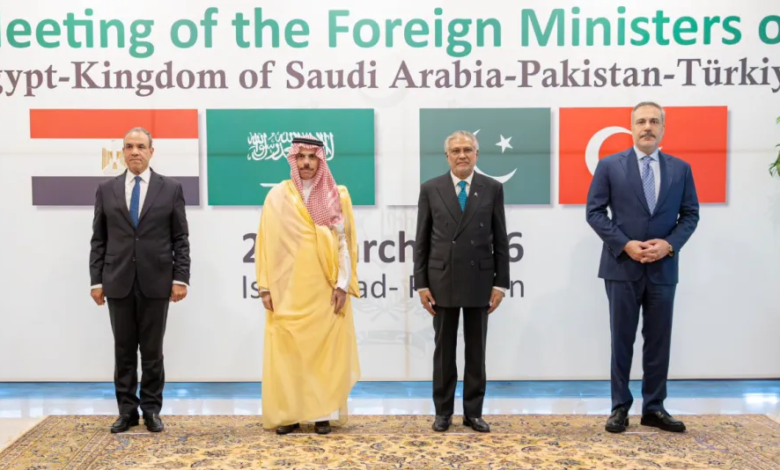
على الرغم من التحديات الأمنية، أدركت القيادات الخليجية أن الحلول العسكرية وحدها لا تكفي لتحقيق الاستقرار المستدام. ومن هنا، برزت أهمية دبلوماسية خفض التصعيد كخيار استراتيجي. تجلى هذا التوجه بوضوح في الاتفاق التاريخي الذي تم برعاية صينية في مارس 2023، والذي أفضى إلى استئناف العلاقات الدبلوماسية بين المملكة العربية السعودية وإيران. يهدف هذا المسار الدبلوماسي إلى فتح قنوات حوار مباشرة، وتقليل سوء الفهم، ووضع أسس لتعايش سلمي يحترم سيادة الدول ويمنع انزلاق المنطقة نحو صراع مفتوح، خاصة في ظل التوترات الجيوسياسية الحالية التي يشهدها الشرق الأوسط.
الأهمية والتأثير المتوقع على المستويات المحلية والإقليمية والدولية
محلياً، يتيح خفض التصعيد لدول الخليج التركيز على خططها التنموية الطموحة، مثل رؤية السعودية 2030، والتي تتطلب بيئة آمنة ومستقرة لجذب الاستثمارات الأجنبية وتنويع الاقتصاد بعيداً عن الاعتماد الكلي على النفط.
إقليمياً، يساهم نجاح هذه الدبلوماسية في تبريد بؤر الصراع المشتعلة في المنطقة، مثل اليمن وسوريا ولبنان، حيث تلعب طهران دوراً مؤثراً عبر الفصائل الموالية لها. إن التوصل إلى تفاهمات أمنية من شأنه أن يمهد الطريق لحلول سياسية تنهي معاناة شعوب هذه الدول وتعيد بناء مؤسساتها.
دولياً، يحظى أمن الخليج بأهمية بالغة نظراً لكون المنطقة الشريان الرئيسي لإمدادات الطاقة العالمية. أي تصعيد عسكري قد يؤدي إلى اضطرابات خطيرة في أسواق النفط والغاز، مما ينعكس سلباً على الاقتصاد العالمي. لذلك، تدعم القوى الكبرى الجهود الخليجية الرامية إلى احتواء التهديدات الإيرانية عبر مزيج من الردع الفعال والدبلوماسية المرنة، لضمان حرية الملاحة واستقرار سلاسل الإمداد العالمية.
خلاصة الموقف الاستراتيجي
وفي الختام، يمكن القول إن المقاربة الخليجية الحالية تمثل نموذجاً ناضجاً في إدارة الأزمات الدولية. فهي لا تتنازل عن الحق الأصيل في الدفاع عن النفس وتأمين الحدود والمقدرات الوطنية، ولكنها في الوقت ذاته تترك الباب مفتوحاً أمام لغة العقل والحوار. هذا التوازن الاستراتيجي يعزز من مكانة دول مجلس التعاون كركيزة أساسية للأمن والسلم الدوليين، ويضع الكرة في الملعب الإيراني لإثبات حسن النوايا وترجمة التصريحات الدبلوماسية إلى أفعال ملموسة تسهم في بناء شرق أوسط أكثر استقراراً وازدهاراً.