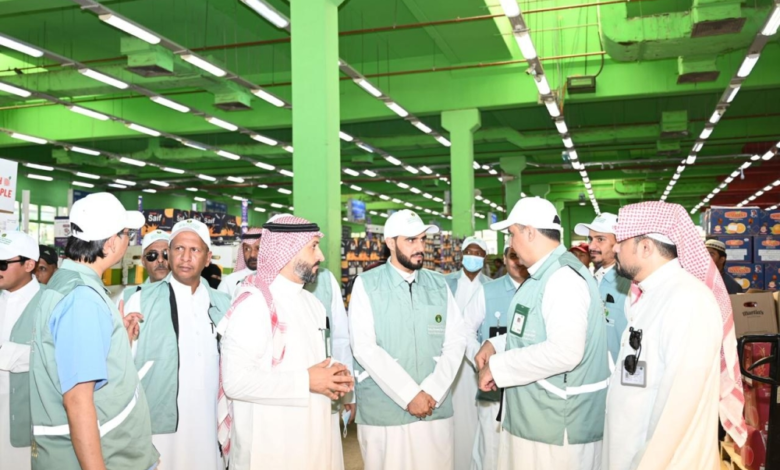
Ministry of Environment's Hajj Plan 1447: Sacrificial Animal Management and Food Safety

A comprehensive operational plan to serve the pilgrims
The Ministry of Environment, Water and Agriculture in the Kingdom of Saudi Arabia announced the completion of its operational plan for the 1447 AH Hajj season, confirming the readiness of its field and operational systems to serve the pilgrims. The plan is based on a comprehensive timetable aimed at improving performance efficiency and enhancing coordination with all relevant entities to ensure a healthy and safe environment for pilgrims during their rituals.
Historical context and importance of managing sacrificial animals during Hajj
The Hajj pilgrimage is the world's largest annual religious gathering, with millions of Muslims from all corners of the globe converging on Mecca. Managing the ritual sacrifice (Hadi, Fidyah, and Udhiyah) presents one of the Kingdom's greatest logistical challenges each year. Historically, the management of this ritual has evolved significantly, from unregulated individual slaughtering practices to a comprehensive institutional system overseen by the state. This system ensures adherence to Sharia and health regulations, preserves the environment of the holy sites, and distributes the meat to those in need worldwide through the Kingdom of Saudi Arabia's project for the utilization of Hajj and Udhiyah meat.
Strategic Plan Pillars for the Hajj Season
The Ministry explained that preparations for the current season began early, based on lessons learned and challenges identified during the 1446 AH Hajj season. The initial phases included identifying operational plans and roles, developing them over time, and creating a register of potential risks. The Ministry emphasized that the plan is based on several strategic pillars, most notably:
- Achieving integration: Unifying efforts on the ground among all participating parties to ensure smooth workflow.
- Raising readiness: Equipping slaughterhouses and public benefit markets in terms of human resources and necessary equipment.
- Updating the indicators: Adopting accurate performance indicators to measure the efficiency of implementation.
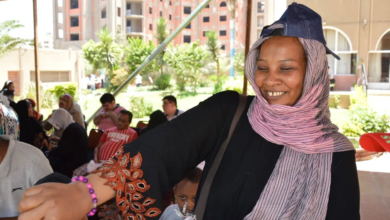
- Activating volunteer initiatives: Engaging volunteers to support field work, especially in managing shelter points.
Increasing the capacity of slaughterhouses and distributing staff
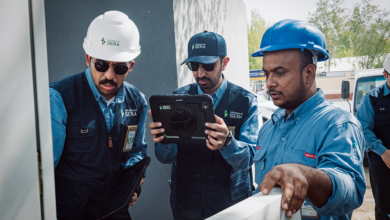
In a move reflecting the scale of preparations, the Ministry has increased the daily capacity of the main slaughterhouses in Makkah and the Holy Sites. The capacity of the South Makkah (A) slaughterhouse has reached 50,000 head, while the South Makkah (B) slaughterhouse has 19,800 head, the West Makkah slaughterhouse has 35,040 head, and the Al-Mu'aysim slaughterhouse has 24,480 head. To achieve these targets, 341 personnel, 27 field teams, and 57 pieces of equipment have been deployed within an integrated system designed to meet peak demand during the days of Tashreeq.
The importance and expected impact of the efforts made
The importance of this plan extends beyond local organization to regional and international dimensions. Locally, these efforts ensure the preservation of public health and the prevention of disease outbreaks, guarantee a safe food supply for millions of pilgrims, and maintain environmental sustainability in the holy sites. Internationally, the successful management of this massive event reinforces the Kingdom's position as a leader of the Islamic world, presents a global model for crowd management and complex logistics, and reassures livestock-exporting countries of the safety of the procedures in place, thus ensuring the continued flow of livestock needed for the season.
Large-scale government integration
Several entities within the environmental system are participating in the implementation of the plan, such as the National Center for Environmental Compliance, the National Center for Waste Management, the Weqaa Center, and the National Agricultural Services Company. These entities are working in full coordination with key partners from other sectors, including the Ministry of Interior, the Ministry of Hajj and Umrah, the Ministry of Human Resources, the Royal Commission for Makkah City and the Holy Sites, and the Holy Capital Municipality, to ensure a safe, healthy, and well-organized Hajj season, in line with the aspirations of the wise leadership in serving the pilgrims.