
جاهزية تامة لخدمة ضيوف الرحمن
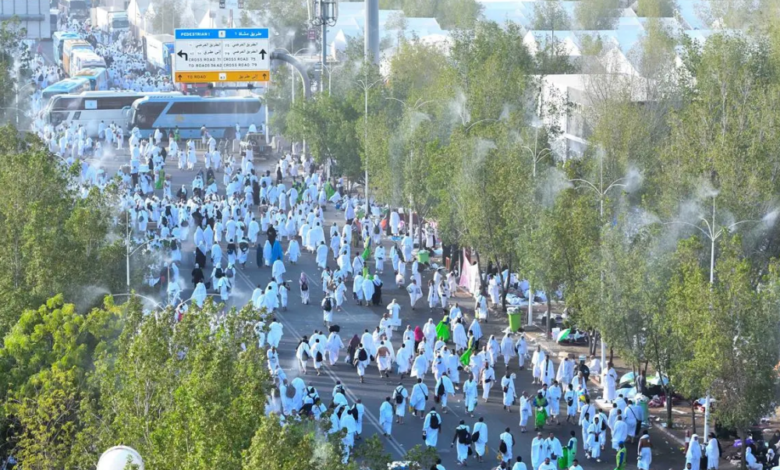
أعلن معالي وزير الشؤون البلدية والقروية والإسكان، الأستاذ ماجد بن عبدالله الحقيل، عن اكتمال جاهزية المنظومة البلدية لاستقبال حجاج بيت الله الحرام لموسم حج عام 1445هـ. وأكد الحقيل أن الوزارة سخرت كافة طاقاتها وإمكانياتها لضمان توفير بيئة صحية وآمنة لضيوف الرحمن في مكة المكرمة والمشاعر المقدسة، كاشفاً عن تخصيص 22 ألف كادر ميداني وإداري لتنفيذ الخطة التشغيلية للموسم. وأشار معاليه إلى النجاح الكبير الذي تحقق في موسم الحج الماضي، والذي شهد خلوه تماماً من أي حالات تسمم غذائي مؤكدة، وذلك بفضل الجهود الرقابية المشددة والتنسيق المتكامل مع الهيئة العامة للغذاء والدواء والجهات ذات العلاقة.
السياق التاريخي وأهمية إدارة الحشود في الحج
يُعد الحج ركناً خامساً من أركان الإسلام، ويشهد سنوياً توافد الملايين من المسلمين من كافة أنحاء العالم إلى مكة المكرمة. وتمثل إدارة هذا التجمع البشري الهائل تحدياً لوجستياً وأمنياً وصحياً فريداً من نوعه. على مر التاريخ، أولت المملكة العربية السعودية، بصفتها خادمة الحرمين الشريفين، أهمية قصوى لتطوير البنية التحتية والخدمات المقدمة للحجاج. وتعتبر سلامة الغذاء والصحة العامة من أبرز الأولويات، حيث إن أي تفشٍ للأمراض المنقولة بالغذاء يمكن أن يكون له عواقب وخيمة في ظل هذه الكثافة العددية العالية. لذلك، فإن الإعلان عن عدم تسجيل أي حالات تسمم غذائي لا يمثل مجرد إحصائية، بل هو شهادة على نضج وفعالية الأنظمة الوقائية والرقابية المطبقة.
منظومة متكاملة لضمان سلامة الحجاج
أوضح الوزير الحقيل أن الخطة التشغيلية لهذا العام ترتكز على عدة محاور رئيسية. ففيما يخص البنية التحتية، تدير الوزارة شبكة متطورة من الطرق والجسور والأنفاق التي تتجاوز مساحتها 4.6 ملايين متر مربع، وتشمل 20 جسراً و18 نفقاً وشبكات لتصريف مياه السيول لضمان انسيابية الحركة. وعلى صعيد النظافة والصحة البيئية، تم تجهيز أكثر من 88 ألف وحدة نظافة، مدعومة بأسطول يضم 3000 آلية ومعدة، بالإضافة إلى 113 مخزناً أرضياً للنفايات. ولتعزيز الجانب الوقائي، تم تجهيز 66 مركزاً للخدمات البلدية، منها 28 مركزاً داخل نطاق المشاعر المقدسة، مدعومة بخمسة مختبرات متطورة ومجهزة بأحدث التقنيات لضمان سرعة ودقة الفحوصات على العينات الغذائية والمياه.
تأثير الاستعدادات على المستويين المحلي والدولي
تأتي هذه الجهود المكثفة في إطار “برنامج خدمة ضيوف الرحمن”، أحد أهم برامج رؤية السعودية 2030، والذي يهدف إلى إثراء وتعميق تجربة الحج والعمرة. إن نجاح المملكة في تنظيم موسم حج آمن وصحي يعزز من مكانتها على الساحة الدولية كقائدة للعالم الإسلامي وقادرة على إدارة أحد أكبر التجمعات البشرية في العالم بكفاءة واقتدار. كما يبعث هذا النجاح برسالة طمأنينة لملايين المسلمين حول العالم ولحكوماتهم، مؤكداً على أن سلامة وراحة الحجاج هي على رأس أولويات القيادة السعودية، التي لا تدخر جهداً في سبيل تحقيق هذا الهدف السامي.
رقابة استباقية واستجابة قياسية
وشدد الحقيل على التحول النوعي في استراتيجية العمل البلدي، من مجرد انتظار البلاغات إلى المبادرة بالعمل الميداني الاستباقي. حيث تنفذ الفرق الميدانية ما يقارب 2800 جولة رقابية يومياً، ويتم سحب نحو 1300 عينة مخبرية بشكل دوري لمكافحة الظواهر السلبية مثل الذبح العشوائي والباعة الجائلين. وبفضل المنظومة الرقمية المتطورة، يتم التعامل مع أكثر من 29 ألف بلاغ عبر الكوادر الميدانية، مع تحقيق متوسط سرعة استجابة قياسي بلغ دقيقة و13 ثانية فقط للبلاغ الواحد، مما يضمن معالجة أي ملاحظات بشكل فوري وفعال.