
توضيح رسمي حول رسوم الوحدات الشاغرة
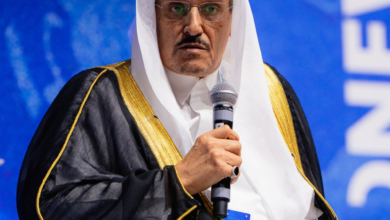
حسم معالي وزير الشؤون البلدية والقروية والإسكان، الأستاذ ماجد بن عبدالله الحقيل، الجدل الدائر حول نطاق تطبيق سياسة فرض رسوم على الوحدات الشاغرة، مؤكداً أن تحديد أنواع الوحدات التي ستخضع للرسوم، سواء كانت سكنية أم تجارية، سيكون من اختصاص لجنة وزارية متخصصة. وأوضح الحقيل أن هذه السياسة التنظيمية الجديدة، التي أُقرت مؤخراً ضمن “برنامج التوازن العقاري”، لا تهدف إلى فرض عقوبات على المستثمرين، بل إلى تحفيز الاستخدام الأمثل للعقارات وتنظيم السوق بما يخدم المصلحة العامة.
جاءت تصريحات الوزير رداً على استفسارات إعلامية حول تفاصيل اللائحة التي تم إقرارها في الثاني عشر من مايو الماضي، والتي تمنح اللجنة الوزارية صلاحية وضع الشروط والآليات الدقيقة لتطبيق الرسوم. وشدد على أن قرارات اللجنة ستستند إلى دراسات معمقة ومستمرة لوضع السوق العقاري في مختلف مدن ومناطق المملكة، لضمان أن تكون الإجراءات المتخذة فعالة وتساهم في تحقيق الاستقرار المنشود.
السياق العام ضمن رؤية المملكة 2030
تأتي هذه الخطوة كجزء من استراتيجية أوسع تتبناها المملكة العربية السعودية ضمن رؤية 2030، والتي تهدف إلى تنويع الاقتصاد ورفع جودة الحياة للمواطنين. ويعد قطاع الإسكان أحد الركائز الأساسية في هذه الرؤية، حيث تسعى الحكومة لرفع نسبة تملك المواطنين للمساكن. وتعتبر سياسة رسوم الوحدات الشاغرة استكمالاً لجهود سابقة، أبرزها برنامج “رسوم الأراضي البيضاء” الذي استهدف الأراضي غير المطورة داخل النطاق العمراني. وبينما عالج ذلك البرنامج مشكلة الأراضي المحتكرة، تأتي السياسة الجديدة لتستهدف الوحدات المبنية وغير المستغلة، مما يغلق حلقة العرض ويزيد من كفاءة الأصول العقارية القائمة.
الأهمية والتأثير المتوقع على السوق العقاري
من المتوقع أن يكون لتطبيق هذه الرسوم تأثيرات إيجابية متعددة على الصعيدين المحلي والاقتصادي. فعلى المستوى المحلي، يُنتظر أن يؤدي القرار إلى زيادة المعروض من الوحدات السكنية والتجارية في السوق، مما يساهم في كبح جماح الارتفاع غير المبرر في أسعار الإيجارات ويجعل السكن في متناول شريحة أكبر من المواطنين والمقيمين. كما أن توفر الوحدات التجارية بأسعار معقولة سيشجع على نمو المشاريع الصغيرة والمتوسطة ويدعم النشاط الاقتصادي.
اقتصادياً، تهدف السياسة إلى الحد من الممارسات الاحتكارية والمضاربات التي تضر باستقرار السوق العقاري. فمن خلال جعل الاحتفاظ بوحدة عقارية شاغرة أمراً مكلفاً، يتم تشجيع الملاك على طرحها للإيجار أو البيع، مما يعزز من ديناميكية السوق ويحقق توازناً صحياً بين العرض والطلب. وأكد الوزير الحقيل أن التطبيق سيكون تدريجياً ومدروساً، حيث سيسبقه عام كامل من رصد المؤشرات العقارية، مثل معدلات الإيجار ونسب الإشغال، لضمان أن يكون التدخل الحكومي في الوقت والمكان المناسبين، وبما يحقق النمو المستدام للقطاع العقاري ويعزز جاذبيته الاستثمارية على المدى الطويل.