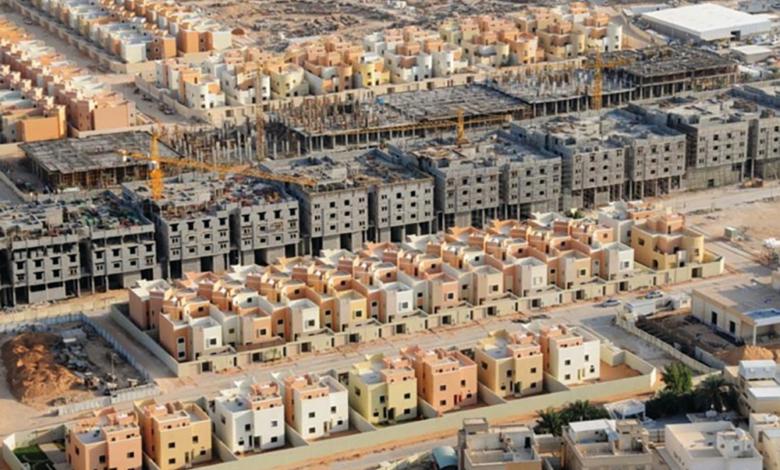

في تصريح طال انتظاره، حسم معالي وزير الشؤون البلدية والقروية والإسكان، الأستاذ ماجد بن عبدالله الحقيل، الجدل الدائر حول إمكانية توسيع نطاق الرسوم الحكومية لتشمل الوحدات العقارية الشاغرة، سواء كانت سكنية كالمنازل والشقق أو تجارية كالمكاتب والمحلات. وأوضح الوزير أن التركيز الحالي للوزارة ينصب على تطبيق برنامج رسوم الأراضي البيضاء، الذي يستهدف الأراضي غير المطورة داخل النطاق العمراني، مؤكداً أن فرض رسوم على الوحدات المبنية الشاغرة ليس مطروحاً في الوقت الراهن، وإن كانت كافة الخيارات التنظيمية تخضع للدراسة المستمرة لتحقيق التوازن في السوق العقاري.
السياق التاريخي: من رسوم الأراضي البيضاء إلى تنظيم السوق
يأتي هذا التساؤل في سياق جهود المملكة العربية السعودية الحثيثة، ضمن رؤية 2030، لإصلاح القطاع العقاري وزيادة نسبة تملك المواطنين للمساكن. وكانت البداية الأبرز مع إقرار نظام رسوم الأراضي البيضاء في عام 2016، وهو برنامج حكومي يهدف إلى مكافحة الممارسات الاحتكارية للأراضي وزيادة المعروض من الأراضي المطورة، مما يسهم في خفض تكلفة الحصول على مسكن. وقد مر البرنامج بعدة مراحل، بدءاً من تطبيقه في المدن الكبرى كالرياض وجدة والدمام، ثم التوسع ليشمل مدناً أخرى، محققاً نجاحات ملموسة في تحفيز الملاك على تطوير أراضيهم أو بيعها لمن يقوم بتطويرها.
الأهمية والتأثير المتوقع للسياسات العقارية
إن النقاش حول فرض رسوم على الوحدات الشاغرة يعكس توجهاً استراتيجياً أعمق لتنظيم السوق العقاري بشكل كامل. ففي حال إقراره مستقبلاً، يُتوقع أن يكون له تأثيرات كبيرة على عدة مستويات:
- على المستوى المحلي: سيشكل هذا الإجراء، إن طُبّق، حافزاً قوياً لملاك العقارات لعرض وحداتهم الشاغرة للإيجار أو البيع بدلاً من تركها مغلقة، مما سيزيد من المعروض في السوق السكني والتجاري على حد سواء. هذا الأمر قد يؤدي إلى استقرار أو انخفاض في أسعار الإيجارات والبيع، وهو ما يصب في مصلحة المواطنين الباحثين عن سكن والشركات الصغيرة والمتوسطة الباحثة عن مقرات تجارية بأسعار معقولة.
- على المستوى الاقتصادي: يساهم تحريك الوحدات العقارية غير المستغلة في تعزيز الدورة الاقتصادية، من خلال زيادة النشاط في قطاعات الصيانة والتشغيل والتأثيث، بالإضافة إلى تحفيز قطاع الوساطة العقارية. كما أنه يقلل من استخدام العقار كأداة للمضاربة ويشجعه كأصل استثماري منتج.
ويأتي توضيح الوزير ليضع حداً للتكهنات ويمنح السوق العقاري رؤية واضحة حول التوجهات الحكومية الحالية، مع ترك الباب مفتوحاً أمام دراسة أدوات تنظيمية جديدة في المستقبل لضمان تحقيق أهداف رؤية المملكة في توفير سكن ملائم لجميع المواطنين ودعم بيئة استثمارية صحية ومستدامة.