
في إطار الجهود الوطنية الرائدة لخدمة ضيوف الرحمن، يشهد البرنامج الصحي التطوعي بالحج في نسخته الثامنة عشرة مشاركة 710 متطوعين من طلاب وطالبات الطب والتخصصات الصحية من مختلف الجامعات والكليات في مناطق المملكة العربية السعودية. يمثل هذا البرنامج علامة فارقة في مسيرة العمل الإنساني والطبي خلال موسم الحج، حيث يجمع بين الكفاءة الأكاديمية والشغف التطوعي لتقديم أفضل رعاية صحية ممكنة للحجاج.
السياق التاريخي لجهود المملكة الصحية في الحج
تاريخياً، تولي المملكة العربية السعودية اهتماماً بالغاً بصحة وسلامة الحجاج، حيث يُعد موسم الحج أحد أكبر التجمعات البشرية في العالم. ومع إطلاق رؤية المملكة 2030، تضاعف التركيز على تمكين القطاع غير الربحي وتعزيز ثقافة العمل التطوعي، بهدف الوصول إلى مليون متطوع. ويأتي هذا البرنامج كترجمة فعلية لهذه المستهدفات، حيث تطور العمل التطوعي في الحج من مجرد اجتهادات فردية إلى عمل مؤسسي منظم ومحترف، يسهم في تخفيف العبء عن المنظومة الصحية الرسمية وتقديم استجابة سريعة في الميدان.
تطوير البرامج المستقبلية والرعاية الشاملة
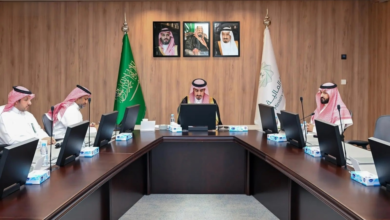
تتولى جمعية “درهم وقاية” تنفيذ هذا البرنامج الاستثنائي لموسم حج 1447هـ. وأوضح رئيس مجلس إدارة الجمعية الخيرية للرعاية الصحية الأولية، الدكتور جاسر الشهري، أن برامج الجمعية هذا العام تأتي ضمن تصور أكثر شمولاً للعمل الصحي التطوعي. فالأمر لم يعد يقتصر على تقديم الخدمة العلاجية المباشرة، بل امتد ليشمل التوعية، الوقاية، إدارة المخاطر الصحية، تأهيل المتطوعين، وتحليل البيانات الميدانية للاستفادة منها في تطوير البرامج المستقبلية. وتعد هذه النسخة الثامنة عشرة امتداداً لخبرة تراكمية طويلة تركز على الرعاية الصحية الأولية والإسعافات في المواقع ذات الكثافة العالية.
أبرز المستجدات: 4 عيادات بين عرفة ومزدلفة
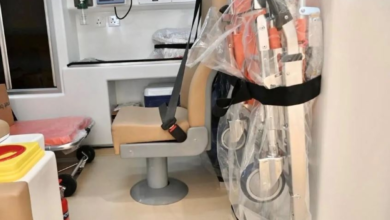
وعن أبرز المستجدات لهذا الموسم، كشف الدكتور الشهري عن تشغيل أربع عيادات طبية متكاملة في طريق المشاة الرابط بين مشعري عرفة ومزدلفة. ويُعد هذا المسار من أكثر المواقع التي تتطلب تدخلاً طبياً سريعاً نظراً للكثافة العددية والجهد البدني الذي يبذله الحجاج. وتعمل الجمعية سنوياً على تحديث نموذجها التشغيلي ليتوافق مع المستجدات الصحية والتنظيمية، مما يرفع من كفاءة العمل التطوعي في البيئات الميدانية المكتظة.
آلية دقيقة لاختيار وتأهيل الكوادر الطبية
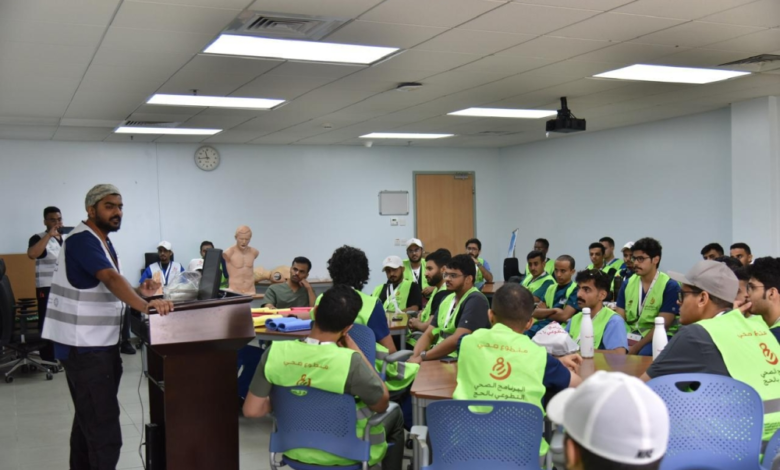
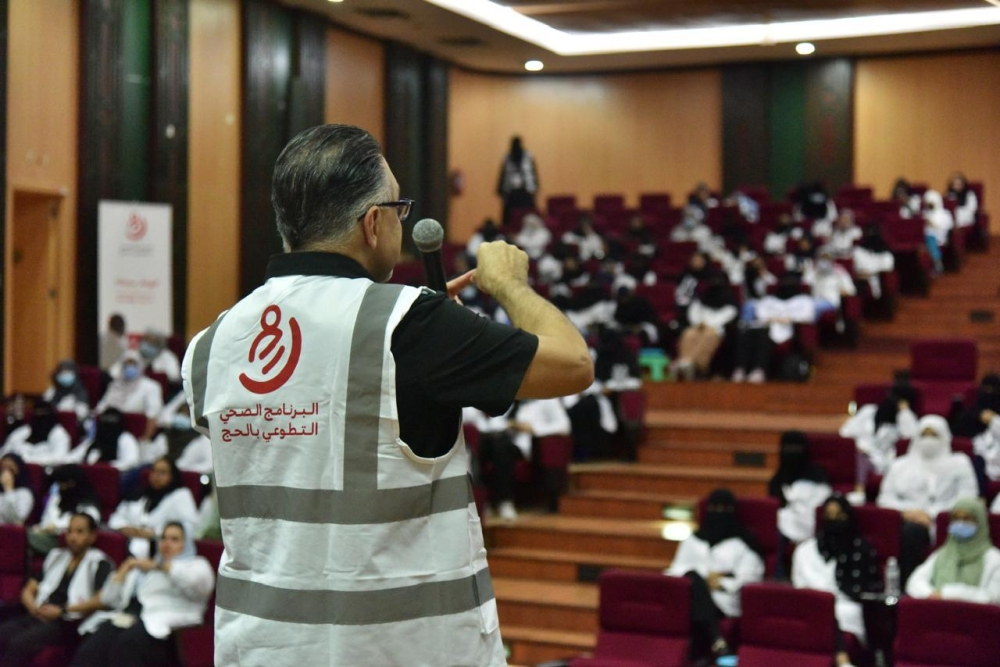
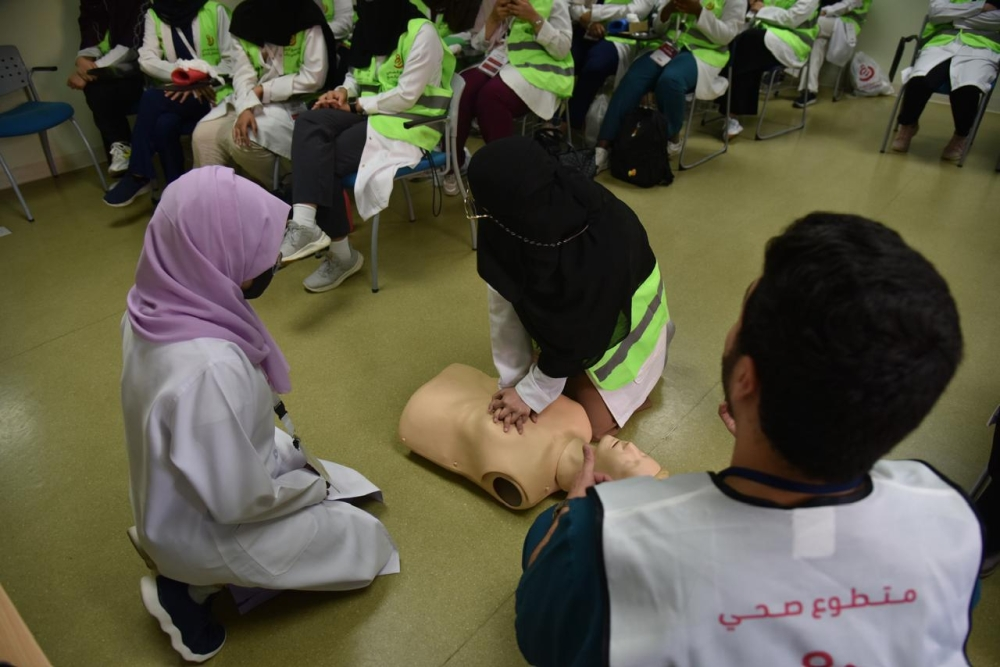
لضمان تقديم خدمة احترافية، بيّن المدير التنفيذي للبرنامج، الدكتور عبدالعزيز بن علوي بوقس، أن مرحلة التسجيل شهدت إقبالاً كبيراً بتقدم أكثر من 3200 راغب في المشاركة. تمت عملية الفرز وفق معايير دقيقة تشمل الجاهزية الصحية والمهنية، الخبرة التطوعية، والقدرة على تحمل ضغوط العمل الميداني. ويمر البرنامج بمراحل إعداد وتدريب مكثفة (نظري وعملي) للتعامل مع الحالات الشائعة في الحج مثل الإجهاد الحراري، ضربات الشمس، الإعياء، وتقرحات القدم.
وتبدأ المرحلة الميدانية من يوم التروية وتستمر حتى نهاية أيام التشريق، حيث تُوزع الفرق وتُجهز بالمستلزمات الطبية. ويُختتم البرنامج بمرحلة التقييم وجمع البيانات لقياس الأثر وتطوير النسخ القادمة.
الأثر المتوقع والتكامل المؤسسي
يحمل هذا الحدث أهمية كبرى وتأثيراً يمتد من النطاق المحلي إلى الإقليمي والدولي. محلياً، يساهم في بناء جيل من الممارسين الصحيين القادرين على إدارة الأزمات والحشود. ودولياً، يعكس صورة حضارية مشرفة عن المملكة العربية السعودية وقدرتها الفائقة على إدارة صحة الحشود المليونية، مجسداً قيم التعاضد والتكافل الإسلامي.
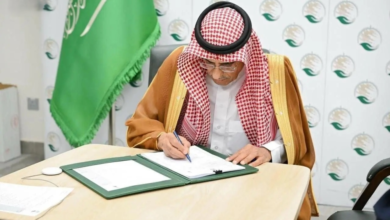
وتُنفذ هذه البرامج بشراكة استراتيجية مع وزارة الحج والعمرة، وزارة الصحة، وبإشراف المركز الوطني لتنمية القطاع غير الربحي. ولتوثيق هذه الجهود، تُعتمد الساعات التطوعية للمشاركين عبر منصة التطوع الصحي، مما يعزز موثوقية المشاركة ويدعم السجل المهني والإنساني لهؤلاء الشباب الذين نذروا أنفسهم لخدمة ضيوف الرحمن.