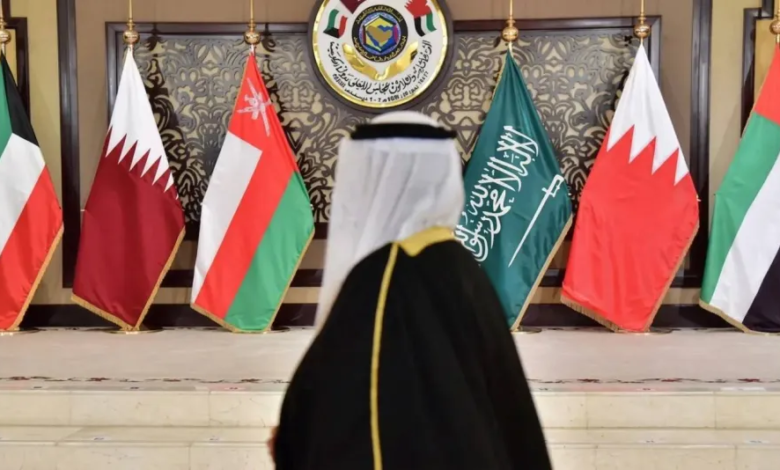

Introduction: The Gulf position on regional tensions
The Arabian Gulf region is one of the world's most strategically important areas, and the Gulf Cooperation Council (GCC) states are closely monitoring political and security developments related to the future of relations between Washington and Tehran. Amid ongoing tensions, the question arises as to how the Gulf region views the future of US-Iranian war and negotiations, especially since any escalation or settlement will directly impact the region's security and stability.
The historical context of US-Iranian negotiations
To understand the current Gulf perspective, one must consider the historical context of the 2015 Iran nuclear agreement (the Joint Comprehensive Plan of Action). At the time, several Gulf capitals expressed clear reservations about the agreement because it focused exclusively on the nuclear program and ignored Iran’s ballistic missile program and Tehran’s interference in the affairs of regional states through its proxies. Following the United States’ withdrawal from the agreement in 2018 and the implementation of its maximum pressure campaign, the region witnessed a dangerous escalation in security tensions, including attacks on oil facilities and shipping in the Gulf, which reinforced the conviction among regional states that any future agreement must be comprehensive.
The shift towards de-escalation and regional diplomacy
In recent years, the Gulf states, led by Saudi Arabia and the United Arab Emirates, have adopted a new strategy focused on de-escalation and resolving outstanding issues. This approach culminated in the Saudi-Iranian agreement, brokered by China, in March 2013, which restored diplomatic relations between the two countries. This shift reflects a Gulf desire to avoid a potential US-Iranian war, as the Gulf states recognize that open military conflict would have catastrophic consequences for their infrastructure and economies, which are currently striving to implement ambitious development plans.
The importance of the event and its expected impact
Local and regional impact
Regionally, the Gulf states believe that the success of any US-Iranian negotiations must be contingent upon genuine security guarantees. The stability of navigation in the Strait of Hormuz, through which approximately one-fifth of the world's oil consumption passes, is a red line. Furthermore, reaching comprehensive understandings would contribute to resolving numerous regional crises in Yemen, Syria, Lebanon, and Iraq, thereby enhancing the prospects for peace and development in the Middle East.
International and economic impact
Internationally, the trajectory of US-Iranian relations impacts not only the Middle East but also the global economy. Any outbreak of war or military escalation would shock global energy markets, driving up oil and gas prices and increasing global inflation. Therefore, major international powers support the Gulf approach advocating for dialogue and negotiations, provided these negotiations lead to limiting Iran's ability to develop nuclear weapons and reducing geopolitical tensions.
Summary: A comprehensive Gulf vision for security
In conclusion, it can be said that the Gulf states view the future of the US-Iranian war and negotiations with political realism and strategic caution. They do not support a military option that could ignite the entire region, and at the same time, they refuse to return to fragile nuclear agreements that fail to address regional security concerns. The Gulf's fundamental demand today is that the region's countries be key partners in any future security arrangements, to ensure a sustainable agreement that achieves stability and prosperity for all the peoples of the Middle East.