Hajj preparations: Makkah's environment simulates 7 crises to ensure the safety of pilgrims

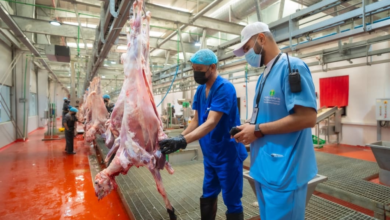
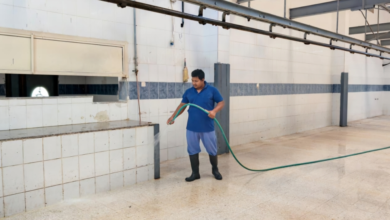
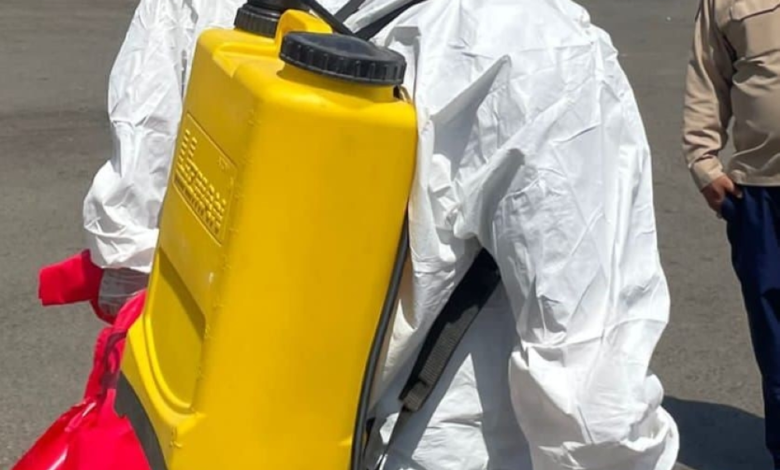
In a proactive step reflecting its commitment to the highest safety and security standards for pilgrims, the Ministry of Environment, Water and Agriculture in the Makkah region has intensified its preparations for this year's Hajj season by conducting seven advanced operational drills simulating potential crises. These detailed exercises are part of a comprehensive risk management plan aimed at ensuring a safe Hajj and a healthy and organized environment for pilgrims.
Historical background and the importance of advance preparation
Saudi Arabia receives millions of pilgrims annually from around the world, presenting a massive logistical challenge that demands meticulous planning and utmost preparedness. Over the decades, the Kingdom has developed extensive expertise in crowd management and service provision during the Hajj season. Drills and crisis simulations are a cornerstone of this system, allowing for the evaluation of plans and the identification of potential weaknesses in a controlled environment before any real emergency occurs. The massive human gatherings in a limited geographical area increase the likelihood of environmental or health incidents, making such preventative measures indispensable.
Details of the assumptions and integration between the parties
These exercises were not limited to theory but were designed as realistic field simulations. They were conducted in partnership with several entities, including the Department of Non-Profit Sector Organizations, the Ministry's office in the Holy City of Mecca, the National Agricultural Services Company, and the National Center for Plant Pest and Animal Disease Prevention and Control (Wiqa'). This collaboration aims to build an integrated response system capable of dealing immediately and effectively with the most challenging circumstances, and to test emergency plans and business continuity under pressure.
Objectives and expected impact
The objectives of these drills focused on several key areas, most importantly enhancing the efficiency of personnel and strengthening their ability to make swift and sound decisions to mitigate the impact of any risks. These exercises also provided an opportunity for a thorough evaluation of human and technical resources, identifying gaps in response mechanisms and paving the way for their improvement before the actual Hajj season begins. Furthermore, they contributed to improving communication and coordination channels among all relevant parties, ensuring integrated roles and smooth incident management should they occur. The success of these drills directly impacts the safety and security of pilgrims and reinforces confidence in the Kingdom's ability to manage this global event.
International and regional importance
The management of the Hajj season receives widespread international attention, particularly from the Islamic world. These efforts send a reassuring message to the international community that the Kingdom places the safety of pilgrims at the forefront of its priorities. The successful and safe organization of the Hajj rituals reinforces the Kingdom's position as a leader in the Islamic world and as the custodian of the Two Holy Mosques. The results of these exercises become a valuable resource, used to continuously update operational plans and enhance preparedness, ensuring a safe and convenient Hajj experience befitting the guests of God.