
عقوبات صارمة لمنع الحج دون تصريح
أعلنت وزارة الداخلية السعودية عن تشديد العقوبات والإجراءات الصارمة بحق كل من يثبت تورطه في أداء أو محاولة أداء فريضة الحج دون تصريح رسمي. وأكدت الوزارة في بيانها أنه سيتم تطبيق غرامة مالية تصل إلى 20,000 ريال سعودي على أي شخص يتم ضبطه مخالفاً للأنظمة. ولا تقتصر العقوبات على الغرامات المالية فحسب، بل تشمل أيضاً ترحيل المتسللين من المقيمين والوافدين إلى بلدانهم الأصلية، مع فرض حظر يمنعهم من دخول أراضي المملكة العربية السعودية لمدة 10 سنوات. ويبدأ تطبيق هذه الإجراءات الحازمة اعتباراً من اليوم الأول من شهر ذي القعدة وحتى نهاية اليوم الرابع عشر من شهر ذي الحجة لعام 1447هـ.
السياق التاريخي لتنظيم الحشود ونظام التصاريح
تأتي هذه الإجراءات في سياق تاريخي طويل من الجهود التي تبذلها المملكة العربية السعودية لتنظيم وإدارة الحشود المليونية التي تتوافد سنوياً إلى مكة المكرمة والمشاعر المقدسة. في العقود الماضية، كانت ظاهرة الحج العشوائي والافتراش تشكل تحدياً كبيراً للجهات الأمنية والصحية، مما أدى في بعض الأحيان إلى إعاقة الحركة أو الضغط الهائل على الموارد بسبب الكثافة البشرية غير المنظمة. ومنذ إقرار نظام “تصريح الحج”، شهدت مواسم الحج نقلة نوعية في مستوى التنظيم والأمان، حيث يتيح هذا النظام للجهات المعنية معرفة الأعداد الدقيقة للحجاج مسبقاً، وبالتالي توفير الرعاية الصحية، والخدمات اللوجستية، والإعاشة، والنقل بما يتناسب مع هذه الأعداد، مما يضمن أداء المناسك بكل يسر وسهولة.
التأثير المحلي والدولي للالتزام بأنظمة الحج
إن لأهمية الالتزام باستخراج تصاريح الحج تأثيرات واسعة النطاق على مستويات عدة. على الصعيد المحلي، يسهم هذا التنظيم في تخفيف العبء عن البنية التحتية في مكة المكرمة والمشاعر المقدسة، ويمنع التكدس المروري والبشري، مما يسهل حركة الطوارئ والإسعاف. أما على الصعيدين الإقليمي والدولي، فإن التزام الحجاج بالأنظمة يعكس صورة حضارية مشرفة عن إدارة المملكة لأكبر تجمع بشري سنوي في العالم. كما أنه يضمن حصول حجاج الخارج، الذين يأتون ضمن حصص محددة لدولهم، على حقوقهم كاملة في الخدمات دون أن يزاحمهم المخالفون الذين يتسللون بطرق غير مشروعة. هذا التنظيم الدقيق يعزز من قدرة المملكة الفائقة على إدارة الحشود بكفاءة عالية.
دعوة للتعاون والإبلاغ عن المخالفين
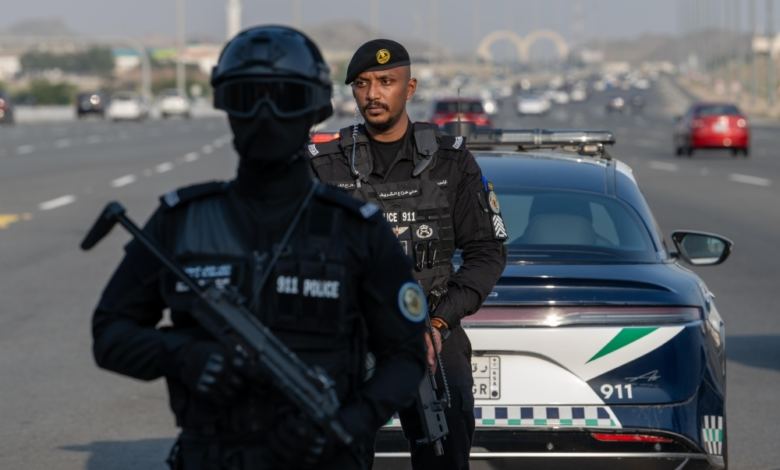
أهابت وزارة الداخلية بجميع المواطنين والمقيمين ضرورة الالتزام التام بالتعليمات المنظمة لموسم حج هذا العام (1447هـ)، مؤكدة على أهمية التعاون المشترك مع الجهات الأمنية والمختصة لتحقيق أعلى معايير الأمن والسلامة لضيوف الرحمن. وحذرت من أن أي مخالفة لهذه الأنظمة ستعرض مرتكبيها للمساءلة القانونية والعقوبات الرادعة. كما دعت الوزارة الجميع إلى المبادرة بالإبلاغ عن أي أشخاص أو حملات وهمية تخالف أنظمة الحج، وذلك من خلال الاتصال على الرقم الموحد (911) في مناطق مكة المكرمة، والمدينة المنورة، والرياض، والمنطقة الشرقية، أو عبر الرقم (999) في بقية مناطق المملكة. إن الالتزام بهذه التوجيهات يمثل مسؤولية دينية ووطنية لضمان سلامة وطمأنينة الحجاج.