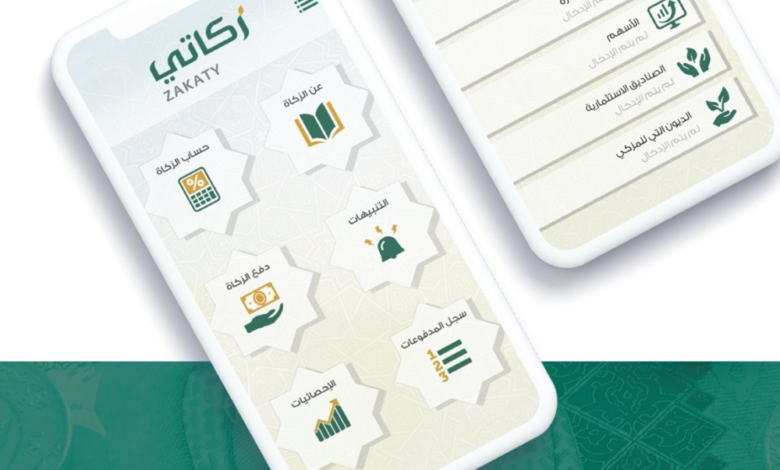
Zakat app: A method for calculating and paying Zakat electronically for individuals

In a move to enhance the use of technology in serving religious rites and facilitating procedures for citizens and residents, the Zakat, Tax and Customs Authority has invited individuals to utilize its advanced electronic services for optional zakat payment through the "Zakat" smartphone application or via its official website (zakaty.zatca.gov.sa). This invitation comes as part of the Authority's ongoing efforts to develop its digital channels and provide a seamless and reliable user experience.
Technical advantages and smart asset calculator
The "Zakat" platform is distinguished by its provision of precise tools for calculating the zakat due on various types of assets. The platform allows zakat payers to calculate zakat on cash, gold and silver, stocks, investment funds, and real estate held for trade. One of the platform's most prominent technical advantages is its gold zakat calculation algorithm, which is directly linked to global gold and silver prices and takes into account the metal's purity (carat), ensuring high accuracy in determining the due amount without the need for complex manual calculations.
Personal account feature and payment tracking
Among the new updates, the platform offers a "Personal Account" feature that allows users to list past assets within the comprehensive zakat calculator. This feature enables saving zakat-related assets for later reference, along with access to a complete record of assets and past transactions. It also includes reminders for zakat due dates and instant invoices for completed transactions, thus enhancing the organization of individuals' personal zakat management.
General context: Digital transformation and transparency
The development of the "Zakat" platform aligns with the Kingdom of Saudi Arabia's general direction towards digital transformation and the automation of government services, in accordance with the objectives of Vision 2030. This platform serves as a model of transparency and reliability, overseen by specialists in Zakat jurisprudence and accounting to ensure all operations comply with Sharia principles. Through these services, the General Authority for Zakat and Zakat aims to facilitate the fulfillment of this religious obligation and guarantee that Zakat funds reach their rightful beneficiaries through secure and official channels.
Tangible social impact and record numbers
The authority clarified that the total zakat collected through the "Zakat" platform since its launch nine years ago has exceeded 904 million riyals. These funds are directed entirely and directly to social security beneficiaries registered with the Ministry of Human Resources and Social Development. Beneficiaries include families most in need of housing, families of divorced women, families of prisoners, and other eligible groups, reflecting the significant social impact of this platform in promoting social solidarity.
Secure and multiple payment options
To ensure ease of use, the platform offers a variety of secure payment options, including SADAD, Apple Pay, Mada, and other methods that guarantee a fast and flexible transaction. The platform also allows donors to select the eligible categories to which they wish to direct their zakat, giving them a sense of active participation in ensuring their support reaches those who need it most.