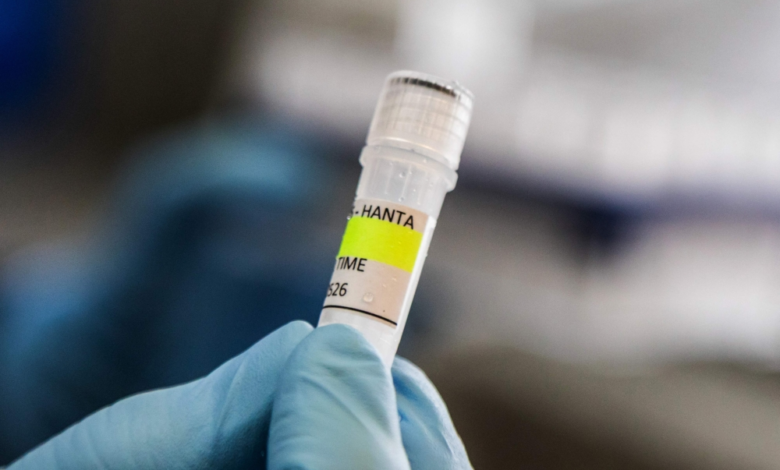

أعلنت وزارة الصحة الفرنسية في بيان رسمي أن جميع الاختبارات التي أجريت على الحالات المشتبه في إصابتها بفيروس “هانتا” قد جاءت سلبية، مما بدد المخاوف التي أثيرت مؤخراً حول ظهور محتمل للفيروس النادر والخطير على أراضيها. وجاء هذا الإعلان ليضع حداً لحالة الترقب والقلق في الأوساط الصحية والشعبية، مؤكداً على فعالية أنظمة الرصد والمتابعة الوبائية في البلاد.
ما هو فيروس هانتا؟ السياق العام والخلفية
فيروسات هانتا هي عائلة من الفيروسات التي تنتشر بشكل أساسي عن طريق القوارض، مثل الفئران والجرذان. تم اكتشافها لأول مرة خلال الحرب الكورية في الخمسينيات من القرن الماضي، وسُميت نسبةً إلى نهر “هان تان” في كوريا الجنوبية، حيث أصيب عدد كبير من الجنود الأمريكيين بحمى نزفية غامضة. تنتقل العدوى إلى البشر بشكل رئيسي عبر استنشاق رذاذ الهواء الملوث ببول أو براز أو لعاب القوارض المصابة. وعلى الرغم من ندرة انتقاله من إنسان لآخر، إلا أن سلالة محددة تُعرف باسم “فيروس الأنديز”، والتي ظهرت في أمريكا الجنوبية، أظهرت قدرة على الانتقال المباشر بين البشر، مما يزيد من خطورتها المحتملة.
أهمية الحدث وتأثيره المتوقع
جاءت هذه المخاوف في وقت يتسم بزيادة الوعي العالمي بخطر الأمراض حيوانية المصدر (Zoonotic diseases)، خاصة في أعقاب جائحة كوفيد-19. لذلك، كان أي اشتباه بظهور فيروس مثل هانتا في أوروبا يمثل مصدر قلق كبير للسلطات الصحية المحلية والإقليمية. إن تأكيد سلبية الحالات في فرنسا لا يمثل ارتياحاً محلياً فحسب، بل يمنع أيضاً إثارة حالة من الذعر على المستوى الأوروبي، ويؤكد على أهمية التشخيص السريع والدقيق في منع تفشي الأوبئة المحتملة.
وفي هذا السياق، أوضح أندرياس هوفر، الخبير في المركز الأوروبي للوقاية من الأمراض ومكافحتها (ECDC) في ستوكهولم، أن التحليلات الجينية الأولية التي أجريت على سلالات مشابهة سابقاً لم تظهر تطابقاً كاملاً مع السلالات المعروفة والمنتشرة عالمياً. وأشار هوفر، وهو عالم متخصص في الميكروبيولوجيا، إلى أن “كل المعلومات التي تم جمعها من التسلسل الجيني تشير إلى أن الحدث الأكثر ترجيحاً هو انتقال العدوى مرة واحدة من حيوان مصاب إلى إنسان”.
طرق الانتقال والوقاية
ينتشر فيروس هانتا عادةً بواسطة القوارض، وتحدث معظم الإصابات البشرية في المناطق الريفية أو بالقرب من الغابات حيث تتواجد هذه الحيوانات بكثرة. لا يوجد حالياً لقاح معتمد على نطاق واسع أو علاج محدد لفيروس هانتا، ويعتمد العلاج بشكل أساسي على الرعاية الداعمة في المستشفيات، مثل المساعدة على التنفس وإدارة وظائف الكلى. لذلك، تبقى الوقاية هي خط الدفاع الأول، وتتمثل في تجنب ملامسة القوارض وإفرازاتها، وتأمين المنازل والمباني لمنع دخولها، واتباع إجراءات السلامة عند تنظيف الأماكن التي قد تكون موبوءة.