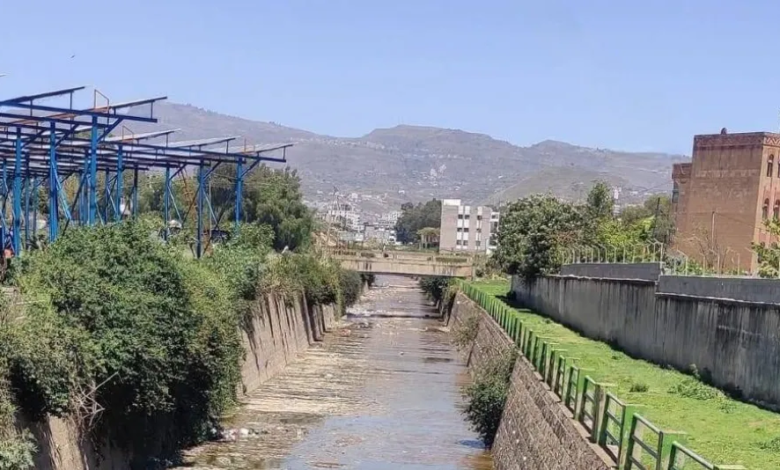

تطلق مدينة إب اليمنية، المعروفة بطبيعتها الخلابة ولقبها “اللواء الأخضر”، نداء استغاثة صامتاً، حيث تواجه كارثة بيئية وصحية وشيكة تهدد حياة الآلاف من سكانها. لم تعد شوارع المدينة وأحياؤها السكنية تعج بالحياة فقط، بل أصبحت تغرق في سيول من مياه الصرف الصحي التي فاضت من شبكاتها المتهالكة، محولة أجزاء واسعة منها إلى مستنقعات آسنة تنذر بعواقب وخيمة على الإنسان والبيئة.
هذه الأزمة ليست وليدة اللحظة، بل هي نتيجة تراكمية لسنوات من الإهمال وتدهور البنية التحتية، تفاقمت بشكل حاد في ظل الظروف التي تعيشها اليمن منذ سنوات. لقد أدى الصراع الدائر إلى انهيار شبه كامل في منظومة الخدمات العامة، وعلى رأسها قطاع المياه والصرف الصحي. فالشبكات القديمة لم تعد تحظى بأعمال الصيانة الدورية اللازمة، كما أن محطات الضخ والمعالجة توقفت عن العمل في كثير من الأحيان بسبب الانقطاع المستمر للتيار الكهربائي والنقص الحاد في وقود الديزل اللازم لتشغيل المولدات البديلة، مما أدى إلى عجز السلطات المحلية عن احتواء المشكلة المتنامية.
إن التأثير المباشر لهذه الكارثة يظهر جلياً على صحة المواطنين. فتدفق المياه الملوثة في الشوارع واختلاطها بمصادر مياه الشرب، خاصة الآبار السطحية التي يعتمد عليها الكثيرون، يخلق بيئة مثالية لانتشار الأوبئة والأمراض المنقولة عبر المياه. وتتصدر أمراض مثل الكوليرا والإسهالات الحادة وحمى التيفوئيد قائمة المخاطر الصحية التي تهدد السكان، وبشكل خاص الأطفال وكبار السن الذين يعتبرون الفئة الأكثر ضعفاً. ويأتي هذا في وقت يعاني فيه القطاع الصحي نفسه من تدهور شديد، مما يقلل من قدرته على الاستجابة لأي تفشٍ وبائي محتمل.
على الصعيد البيئي، لا يقل الخطر شأناً. فمياه الصرف الصحي الخام التي تجري في الشوارع والأودية تتسرب إلى التربة الزراعية، ملوثةً المحاصيل ومهددةً الأمن الغذائي في محافظة تعد من أهم المناطق الزراعية في البلاد. كما أنها تصل إلى السدود ومجاري المياه الطبيعية، مما يقضي على التنوع البيولوجي ويدمر النظم البيئية الحساسة التي اشتهرت بها إب. إن هذا التلوث لا يهدد فقط حاضر المدينة، بل يمتد تأثيره ليلوث المياه الجوفية، وهو ما يشكل خطراً طويل الأمد يصعب معالجته.
أمام هذا الواقع المأساوي، تتعالى أصوات السكان والناشطين مطالبين بتدخل عاجل من المنظمات المحلية والدولية لإنقاذ ما يمكن إنقاذه. فالحاجة ماسة إلى حلول إسعافية لتصريف المياه المتراكمة، وتوفير الوقود لتشغيل محطات الضخ، والبدء في صيانة الأجزاء الأكثر تضرراً من الشبكة، قبل أن تتحول هذه الأزمة إلى كارثة إنسانية وبيئية شاملة يصعب السيطرة على تداعياتها.