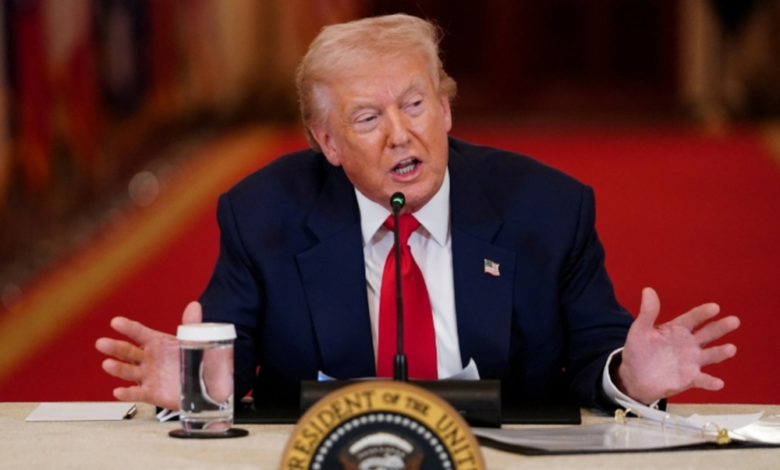

أعلن الرئيس الأمريكي السابق دونالد ترامب رفضه القاطع للرد الذي قدمته إيران في إطار المفاوضات الرامية إلى احتواء التوترات بشأن برنامجها النووي. وفي تصريح مقتضب، أكد ترامب أنه اطلع على المقترحات الإيرانية ووصفها بأنها “غير مقبولة تماماً”، مضيفاً: “لم يعجبني رد إيران”. يأتي هذا الموقف ليعكس استمرار الهوة الكبيرة بين مطالب واشنطن وتطلعات طهران، مما يعقد الجهود الدبلوماسية المبذولة لتجنب تصعيد أكبر في المنطقة.
ووفقاً لمصادر مطلعة، فإن الرد الإيراني الذي تم نقله عبر وسطاء لم يلبِ الشروط الأمريكية الأساسية، خاصة فيما يتعلق بضمانات طويلة الأمد حول طبيعة البرنامج النووي. وتضمنت المقترحات الإيرانية تخفيض مخزون اليورانيوم عالي التخصيب، والاستعداد لتعليق عمليات التخصيب لفترة زمنية محددة لا تتجاوز 20 عاماً، مع رفض تفكيك أي من منشآتها النووية القائمة، وهو ما تعتبره واشنطن ثغرات جوهرية قد تسمح لطهران باستئناف أنشطتها بسرعة في المستقبل.
خلفية الصراع والاتفاق النووي المنهار
تعود جذور التوتر الحالي إلى عام 2018، عندما قرر الرئيس ترامب سحب الولايات المتحدة من جانب واحد من خطة العمل الشاملة المشتركة (JCPOA)، المعروفة إعلامياً بـ “الاتفاق النووي الإيراني”، والتي تم توقيعها في عام 2015 بين إيران ومجموعة الدول (5+1). كان الاتفاق يهدف إلى تقييد أنشطة إيران النووية مقابل رفع العقوبات الاقتصادية المفروضة عليها. بعد الانسحاب، أعادت إدارة ترامب فرض عقوبات اقتصادية قاسية ضمن سياسة “الضغط الأقصى”، بهدف إجبار إيران على العودة إلى طاولة المفاوضات للتوصل إلى اتفاق جديد أكثر شمولاً يعالج أيضاً برنامجها الصاروخي الباليستي ونفوذها الإقليمي.
الأهمية الاستراتيجية وتأثيرها الدولي
يحمل هذا الملف أهمية استراتيجية كبرى على الصعيدين الإقليمي والدولي. فعلى المستوى الإقليمي، يثير البرنامج النووي الإيراني قلق دول الجوار، وعلى رأسها المملكة العربية السعودية وإسرائيل، التي ترى فيه تهديداً مباشراً لأمنها القومي، مما قد يدفع المنطقة نحو سباق تسلح خطير. أما دولياً، فإن أي تصعيد عسكري بين واشنطن وطهران يهدد استقرار إمدادات الطاقة العالمية، حيث هددت إيران مراراً بإغلاق مضيق هرمز، الذي يمر عبره جزء كبير من نفط العالم. كما أن انهيار الجهود الدبلوماسية يمثل ضربة لجهود منع الانتشار النووي على مستوى العالم، ويضع الأطراف الأوروبية التي لا تزال ملتزمة بالاتفاق الأصلي في موقف حرج.