
مقدمة: التصعيد الحوثي ومستقبل ميناء الحديدة
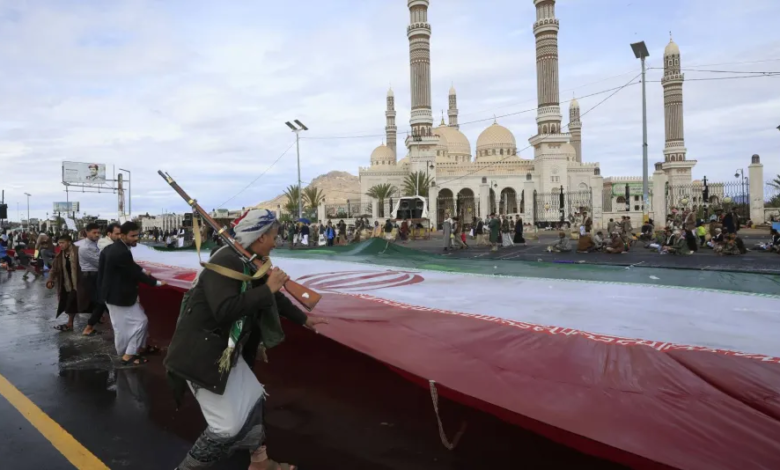
في ظل التطورات المتسارعة في منطقة البحر الأحمر، يبرز تساؤل محوري حول ما إذا كان الانخراط الإقليمي لجماعة الحوثي سيؤدي في النهاية إلى تحرير ميناء الحديدة الاستراتيجي. لقد أدى تصعيد الحوثيين الأخير واستهدافهم للسفن التجارية في الممرات الملاحية الدولية إلى لفت أنظار العالم مجدداً نحو الساحل الغربي لليمن، مما يطرح سيناريوهات متعددة حول مستقبل السيطرة على هذا المنفذ الحيوي.
الخلفية التاريخية: اتفاق ستوكهولم وتوقف معركة الحديدة
لفهم المشهد الحالي، يجب العودة إلى أواخر عام 2018، عندما كانت القوات اليمنية المشتركة، بدعم من التحالف العربي، على وشك استعادة السيطرة الكاملة على مدينة وميناء الحديدة. تدخل المجتمع الدولي حينها بقوة، وتم توقيع اتفاق ستوكهولم برعاية الأمم المتحدة، والذي أوقف العمليات العسكرية وأبقى الميناء تحت سيطرة الحوثيين لدواعي إنسانية. منذ ذلك الحين، شكل الميناء شريان حياة رئيسي للجماعة، ليس فقط لتدفق السلع، بل كمصدر أساسي للإيرادات المالية، وسط اتهامات متكررة باستخدامه لتهريب الأسلحة وتطوير القدرات العسكرية البحرية.
الانخراط الإقليمي وتداعياته على أمن البحر الأحمر
مع اندلاع الصراع الأخير في قطاع غزة، صعد الحوثيون من هجماتهم البحرية تحت شعار التضامن مع الفلسطينيين، مما أدى إلى تعطيل حركة الملاحة الدولية عبر مضيق باب المندب والبحر الأحمر. هذا الانخراط الإقليمي دفع الولايات المتحدة وبريطانيا، ضمن تحالفات دولية مثل عملية حارس الازدهار، إلى توجيه ضربات جوية استهدفت بنى تحتية عسكرية للحوثيين، شملت مواقع في محافظة الحديدة. هذا التحول يضعف من الحصانة السياسية التي وفرها اتفاق ستوكهولم للمدينة، ويفتح الباب أمام احتمالات دعم تحرك عسكري بري للقوات الحكومية اليمنية.
الأهمية الاستراتيجية والتأثير المتوقع لتحرير الميناء
التأثير المحلي
على الصعيد المحلي اليمني، يمثل تحرير ميناء الحديدة ضربة قاصمة للقدرات الاقتصادية والعسكرية للحوثيين. سيؤدي ذلك إلى تجفيف منابع تمويلهم الرئيسية وقطع خطوط الإمداد اللوجستي، مما يغير موازين القوى على الأرض لصالح الحكومة اليمنية المعترف بها دولياً، ويمهد الطريق لفرض تسوية سياسية شاملة تنهي الانقلاب.
التأثير الإقليمي والدولي
إقليمياً، سيساهم تأمين الساحل الغربي لليمن في حماية الأمن القومي للدول المشاطئة للبحر الأحمر، وعلى رأسها المملكة العربية السعودية وجمهورية مصر العربية، حيث سيعيد الاستقرار لحركة الملاحة عبر قناة السويس التي تضررت بشدة من تحويل السفن لمساراتها نحو رأس الرجاء الصالح. أما دولياً، فإن إنهاء سيطرة الحوثيين على الميناء سيعني تأمين واحد من أهم الممرات المائية للتجارة العالمية وإمدادات الطاقة، مما يزيل تهديداً مستمراً للاقتصاد العالمي.
خلاصة: هل حان وقت الحسم؟
في الختام، يبقى السؤال مفتوحاً حول مدى جدية المجتمع الدولي في التخلي عن سياسة الاحتواء والتوجه نحو دعم حل جذري يتمثل في تحرير ميناء الحديدة. إن استمرار الحوثيين في تهديد الملاحة الدولية قد يجعل من هذا الخيار ضرورة استراتيجية لا مفر منها لضمان أمن واستقرار المنطقة والعالم. كما أن التنسيق بين القوات الحكومية اليمنية والتحالفات الدولية قد يشهد تطوراً ملحوظاً في المرحلة القادمة إذا ما استمرت التهديدات الحوثية، مما يجعل سيناريو التحرير العسكري مطروحاً بقوة على طاولة صناع القرار الإقليمي والدولي.