
مقدمة: الأزمة السياسية في الصومال وتداعياتها الأمنية
تشهد الساحة الصومالية في الآونة الأخيرة تصاعداً ملحوظاً في حدة التوترات السياسية، مما أثار مخاوف واسعة النطاق من احتمالية استغلال حركة الشباب الإرهابية لهذا الفراغ السياسي والأمني. إن الخلافات المستمرة بين القوى السياسية في العاصمة مقديشو والولايات الفيدرالية لا تقتصر تداعياتها على الجانب السياسي فحسب، بل تمتد لتشكل تهديداً مباشراً للجهود المبذولة في مكافحة الإرهاب وإرساء الاستقرار في منطقة القرن الأفريقي.
السياق التاريخي: جذور حركة الشباب الإرهابية
لفهم طبيعة التهديد الحالي، يجب النظر إلى السياق التاريخي للصومال الذي عانى من عقود من الصراع منذ انهيار الحكومة المركزية في عام 1991. برزت حركة الشباب المرتبطة بتنظيم القاعدة في عام 2006 كجناح متطرف لاتحاد المحاكم الإسلامية. ومنذ ذلك الحين، تخوض الحركة تمرداً دموياً يهدف إلى الإطاحة بالحكومة الفيدرالية المدعومة دولياً. ورغم الجهود العسكرية المحلية والإقليمية التي نجحت في طرد الحركة من المدن الرئيسية، إلا أنها لا تزال تسيطر على مساحات واسعة من المناطق الريفية في جنوب ووسط الصومال، وتتخذ منها منطلقاً لتنفيذ هجماتها.
استغلال الفراغ السياسي لتوسيع النفوذ
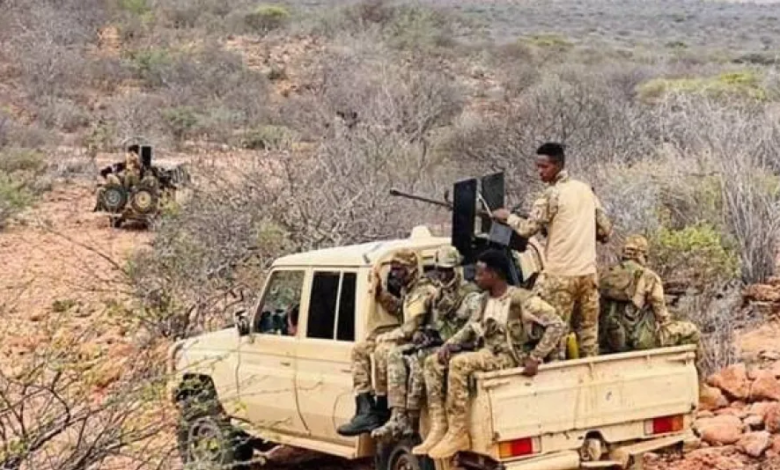
تعتبر الأزمات السياسية المتكررة، سواء تلك المتعلقة بالانتخابات أو الخلافات حول تقاسم السلطة والموارد بين الحكومة المركزية والولايات، بمثابة فرصة ذهبية لحركة الشباب. فهذه الانقسامات تؤدي إلى تشتيت انتباه الأجهزة الأمنية والعسكرية، وتضعف التنسيق المشترك الضروري لمواجهة التهديدات الإرهابية. وتستغل الحركة هذا الانشغال السياسي لإعادة ترتيب صفوفها، وتكثيف هجماتها التي تستهدف المدنيين والمقرات الحكومية والقواعد العسكرية، مما يعقد من مهمة بسط سيطرة الدولة.
التأثيرات المتوقعة: محلياً وإقليمياً
على الصعيد المحلي، يؤدي تنامي نشاط حركة الشباب إلى تفاقم الأزمة الإنسانية في الصومال، حيث يزداد عدد النازحين داخلياً وتتضرر البنية التحتية الهشة والاقتصاد المحلي. أما إقليمياً، فإن عدم الاستقرار في الصومال يمثل تهديداً مباشراً لدول الجوار، وخاصة كينيا وإثيوبيا اللتين تعرضتا مراراً لهجمات عابرة للحدود. كما أن هذا الوضع يضع ضغوطاً إضافية على بعثة الاتحاد الأفريقي الانتقالية في الصومال (أتميس)، التي تخطط لسحب قواتها تدريجياً وتسليم المهام الأمنية للقوات الصومالية.
الأهمية الدولية والمخاوف العالمية
لا يقتصر تأثير الأزمة الصومالية على المحيط الإقليمي، بل يمتد ليشمل المجتمع الدولي بأسره. يقع الصومال في موقع استراتيجي حيوي في القرن الأفريقي، مطلاً على خليج عدن والمحيط الهندي، وهي ممرات ملاحية عالمية بالغة الأهمية. إن أي تدهور أمني قد يوفر بيئة خصبة لتهديد حركة التجارة العالمية. لذلك، يشدد الشركاء الدوليون باستمرار على ضرورة تجاوز القادة الصوماليين لخلافاتهم السياسية، وتوحيد الجهود لبناء مؤسسات أمنية قوية قادرة على دحر الإرهاب وتحقيق السلام المستدام.