
مقدمة: كارثة إنسانية مزدوجة في اليمن
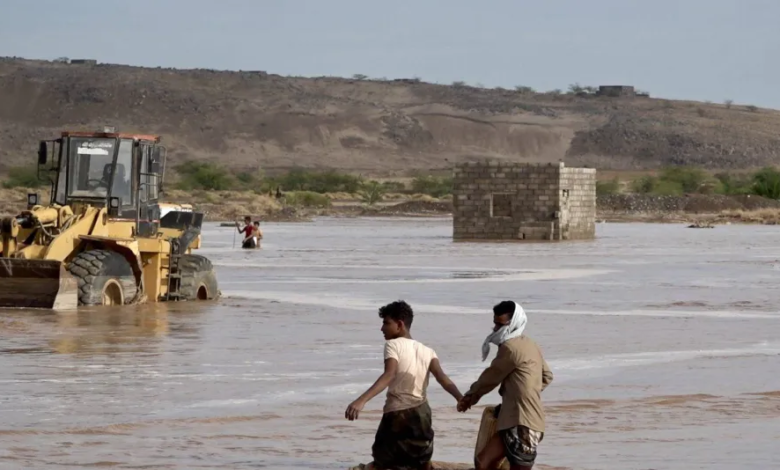
يعيش اليمنيون واقعاً مريراً تتداخل فيه الكوارث الطبيعية مع مخلفات الحرب، حيث باتت ألغام الحوثيين التي جرفتها السيول تمثل تهديداً مميتاً يعمق معاناة المتضررين. ومع حلول موسم الأمطار الغزيرة، تتحول السيول الجارفة من نعمة ينتظرها المزارعون إلى ناقل للموت، إذ تجرف الألغام الأرضية والعبوات الناسفة من مناطق التماس العسكرية إلى القرى السكنية والمزارع والطرقات العامة، مما يضاعف من حجم المأساة الإنسانية في البلاد.
السياق التاريخي: زراعة الألغام بشكل عشوائي
منذ اندلاع النزاع المسلح في اليمن أواخر عام 2014، عمدت جماعة الحوثي إلى زراعة مئات الآلاف من الألغام الأرضية المضادة للأفراد والمركبات في مختلف المحافظات اليمنية، مثل تعز، الحديدة، مأرب، وشبوة. وتشير التقارير الدولية والمحلية إلى أن اليمن شهد أكبر عملية زراعة للألغام منذ الحرب العالمية الثانية. هذه الألغام زُرعت بشكل عشوائي وبدون خرائط واضحة، مما يجعل عملية نزعها معقدة للغاية. وتعد هذه الممارسات انتهاكاً صارخاً للقانون الدولي الإنساني ومعاهدة أوتاوا التي تحظر استخدام وتخزين وإنتاج الألغام المضادة للأفراد.
تأثير السيول: نقل الخطر إلى المناطق الآمنة
تعتبر التغيرات المناخية والسيول الموسمية الجارفة التي تضرب اليمن عاملاً رئيسياً في تفاقم أزمة الألغام. فالسيول لا تكتفي بتدمير البنية التحتية ومخيمات النازحين، بل تقوم بجرف الألغام من المناطق الجبلية والوديان التي كانت تعتبر حقول ألغام معروفة، لتستقر في مناطق كانت تُصنف سابقاً على أنها آمنة. هذا الانتقال العشوائي للألغام يؤدي إلى حصد أرواح المدنيين الأبرياء، لا سيما الأطفال والنساء والمزارعين الذين يتفاجأون بوجود هذه الأجسام القاتلة في أراضيهم الزراعية أو بالقرب من منازلهم.
التداعيات المحلية والإقليمية والدولية
على المستوى المحلي، تسببت الألغام المجروفة بالسيول في إعاقة حركة التنقل، ومنع وصول المساعدات الإغاثية إلى المناطق المتضررة، فضلاً عن حرمان آلاف المزارعين من استغلال أراضيهم، مما يهدد الأمن الغذائي ويزيد من معدلات الفقر والمجاعة. وتشير الإحصائيات الصادرة عن المرصد اليمني للألغام إلى تسجيل عشرات الضحايا سنوياً بسبب هذه الظاهرة، حيث يفقد الكثيرون أطرافهم ويصبحون بحاجة إلى رعاية طبية ونفسية طويلة الأمد، وهو ما يشكل ضغطاً هائلاً على القطاع الصحي المنهار أصلاً في اليمن. كما أدت إلى موجات نزوح جديدة هرباً من خطر الموت المحدق.
أما على الصعيدين الإقليمي والدولي، فإن هذه الكارثة تزيد من الأعباء الملقاة على عاتق المنظمات الإنسانية والمشاريع الإقليمية والدولية العاملة في مجال نزع الألغام، مثل مشروع مسام السعودي الذي يبذل جهوداً جبارة لتطهير الأراضي اليمنية. وتدعو الأمم المتحدة والمجتمع الدولي باستمرار إلى ضرورة التوقف الفوري عن زراعة الألغام وتقديم خرائط دقيقة لأماكن تواجدها، لتسهيل عمل الفرق الهندسية وحماية أرواح المدنيين.
خلاصة
إن تضافر جهود المجتمع الدولي بات أمراً ملحاً أكثر من أي وقت مضى للضغط على الأطراف المعنية لوقف زراعة الألغام، وتكثيف الدعم المالي والتقني لبرامج التوعية بمخاطر الألغام وعمليات التطهير. فبدون حل جذري لهذه المشكلة، ستظل السيول في اليمن تحمل معها الموت بدلاً من الحياة، وستستمر معاناة ملايين اليمنيين الذين يواجهون واحدة من أسوأ الأزمات الإنسانية في العالم.