
القبض على شبكة تزوير في مكة المكرمة
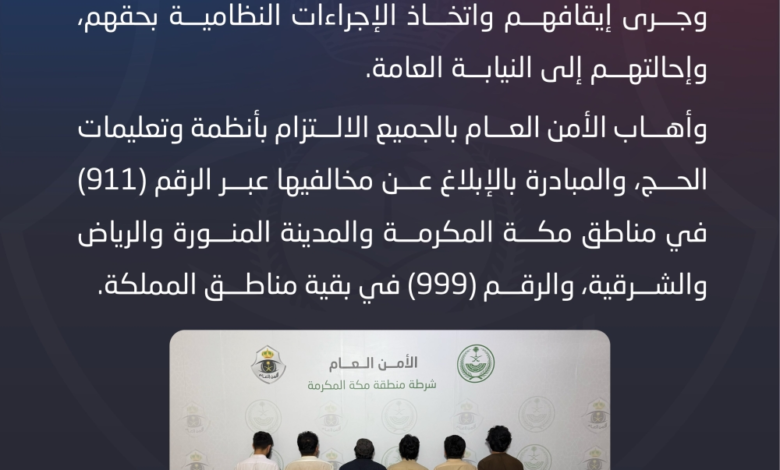
أعلنت السلطات الأمنية في منطقة مكة المكرمة عن إلقاء القبض على (18) مقيماً من الجنسيتين الأفغانية والباكستانية، لتورطهم في حوادث جنائية تمثلت في تزوير وثائق رسمية خاصة بموسم الحج. وشملت المضبوطات إقامات مزورة، وبطاقات “نسك”، وأساور حج، وهي الأدوات التعريفية الأساسية التي يعتمد عليها الحجاج النظاميون للتنقل والحصول على الخدمات في المشاعر المقدسة. وقد تم إيقاف المتهمين واتخاذ الإجراءات النظامية بحقهم، تمهيداً لإحالتهم إلى النيابة العامة لاستكمال التحقيقات وتطبيق العقوبات الرادعة.
السياق العام: جهود المملكة لتنظيم الحج
تأتي هذه العملية الأمنية في سياق الجهود المكثفة التي تبذلها المملكة العربية السعودية سنوياً لضمان سلامة وأمن حجاج بيت الله الحرام. فتاريخياً، شكلت إدارة الملايين من الحجاج تحدياً لوجستياً وأمنياً هائلاً. ولتجنب المخاطر الناجمة عن الحج غير النظامي، مثل الافتراش في الطرقات، والضغط على الخدمات، والمخاطر الصحية والأمنية، سنت المملكة أنظمة صارمة تشترط الحصول على تصريح حج رسمي. وتعد هذه الإجراءات ضرورية للحفاظ على النظام العام وتوفير تجربة حج آمنة وميسرة لضيوف الرحمن القادمين من شتى بقاع الأرض.
أهمية بطاقة “نسك” والتحول الرقمي في الحج
تمثل بطاقة “نسك” وسوار الحج تطوراً نوعياً في إدارة منظومة الحج، وتعتبر جزءاً من استراتيجية التحول الرقمي التي تتبناها المملكة ضمن رؤية 2030. فهذه البطاقة ليست مجرد تصريح، بل هي هوية رقمية تعريفية للحاج، تحتوي على بياناته الشخصية والصحية، وتفاصيل سكنه وتنقلاته. تهدف هذه التقنية إلى تسهيل وصول الحجاج إلى الخدمات، ورفع كفاءة التشغيل، والأهم من ذلك، منع دخول غير المصرح لهم إلى المشاعر المقدسة. وبالتالي، فإن تزويرها لا يعد مخالفة إدارية فحسب، بل جريمة جنائية تهدد سلامة المنظومة بأكملها.
التأثيرات والعواقب: رسالة حازمة ضد المخالفات
إن التعامل الحازم مع هذه القضية يحمل رسالة واضحة على المستويين المحلي والدولي. محلياً، يؤكد على عدم التهاون مع أي محاولة للتحايل على الأنظمة، ويحمي حقوق الحجاج النظاميين الذين التزموا بالإجراءات الرسمية. أما دولياً، فهي تحذير لجميع الراغبين في أداء الفريضة من الوقوع في فخ الحملات الوهمية والمسارات غير القانونية التي تعرضهم للمساءلة القانونية وخسارة أموالهم. وقد شددت وزارة الداخلية مراراً على أن عقوبة الحج بلا تصريح تشمل الغرامة المالية، والترحيل، والمنع من دخول المملكة لمدة تصل إلى 10 سنوات. وأهاب الأمن العام بالمواطنين والمقيمين الالتزام بأنظمة وتعليمات الحج، والمبادرة بالإبلاغ عن المخالفين عبر الأرقام المخصصة (911) و(999) لضمان نجاح الموسم.