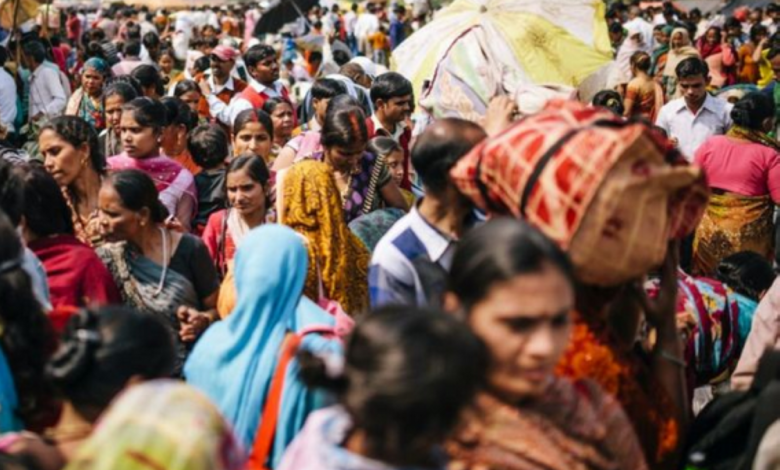

انطلاق أضخم عملية إحصاء سكاني عالمياً
تنطلق في الهند، غدًا الأربعاء، أضخم عملية إحصاء ديموغرافي على مستوى العالم، حيث تبدأ السلطات الهندية تنفيذ التعداد السكاني الشامل للبلاد. وتأتي هذه الخطوة الاستراتيجية بتكلفة مالية ضخمة تقدر بنحو 1.24 مليار دولار أمريكي، مع حشد أكثر من 3 ملايين موظف حكومي لضمان تغطية كافة أنحاء شبه القارة الهندية المترامية الأطراف.
السياق التاريخي وتأثير جائحة كورونا
يُعد التعداد السكاني في الهند إرثاً تاريخياً وإدارياً عريقاً، حيث يعود تاريخ أول تعداد شامل ومنتظم إلى عام 1881 إبان فترة الحكم البريطاني، واستمر إجراؤه بانتظام كل عشر سنوات. وكان من المقرر إجراء هذا التعداد في عام 2021، إلا أن جائحة كورونا (كوفيد-19) التي عصفت بالعالم أدت إلى تأجيله، ليكون هذا التعداد هو الأول من نوعه في حقبة ما بعد الوباء، وآخر تعداد تم إجراؤه كان في عام 2011 والذي أحصى حينها 1.21 مليار نسمة.
التحول الديموغرافي والتأثير العالمي
تكتسب هذه العملية أهمية بالغة على الصعيدين الإقليمي والدولي. فوفقاً لتقديرات الأمم المتحدة الصادرة في عام 2023، تجاوز عدد سكان الهند حاجز 1.42 مليار نسمة، متخطية بذلك الصين لتصبح الدولة الأكبر من حيث عدد السكان في العالم. هذا التحول الديموغرافي يمنح الهند ثقلاً جيوسياسياً واقتصادياً غير مسبوق، ويجعل من بيانات هذا التعداد بوصلة للشركات العالمية والمستثمرين وصناع القرار الدوليين الذين ينظرون إلى الهند كسوق استهلاكية ضخمة وقوة عاملة شابة ومؤثرة في سلاسل الإمداد العالمية.
الفرص الاقتصادية والتحديات التنموية
على الصعيد المحلي، يمثل اتساع شريحة الشباب في الهرم السكاني الهندي “نافذة ديموغرافية” وفرصة ذهبية لتحقيق قفزات في التنمية الاقتصادية. ومع ذلك، فإن هذا النمو السكاني الهائل يفرض تحديات جسيمة على الحكومة الهندية. من أبرز هذه التحديات ضرورة توفير ملايين فرص العمل سنوياً لاستيعاب الوافدين الجدد إلى سوق العمل، بالإضافة إلى الضغط المتزايد على البنية التحتية، وتأمين السكن اللائق، وتوفير مصادر الطاقة المستدامة، والارتقاء بقطاعي التعليم والرعاية الصحية لضمان جودة حياة مناسبة لهذا العدد الهائل من السكان.
مراحل التعداد والتحديات اللوجستية
نظراً للتعقيدات الجغرافية والديموغرافية، تنطوي هذه العملية على تحديات لوجستية هائلة، مما استدعى تنفيذها على مراحل متعددة. تبدأ المرحلة الأولى يوم الأربعاء، وتركز على إحصاء عدد المساكن في جميع الولايات الهندية. وتعتمد هذه المرحلة على التكنولوجيا الحديثة من خلال تطبيق مخصص يُحمل على الهواتف الذكية، إلى جانب العمل الميداني التقليدي حيث ينتقل الموظفون الحكوميون من منزل إلى آخر لجمع البيانات بدقة.
مراعاة الظروف المناخية (موسم الثلوج)
أما التعداد الفعلي للسكان، فلن يبدأ إلا في الأول من مارس عام 2027 في أغلبية مناطق البلاد. ولضمان دقة الإحصاء في المناطق ذات الطبيعة القاسية، سيبدأ التعداد في منطقة جبال الهمالايا في الأول من أكتوبر 2026، وذلك كإجراء استباقي لتجنب موسم الثلوج الكثيفة التي تعزل تلك المناطق خلال فصل الشتاء وتجعل الوصول إليها شبه مستحيل.
إحصاء الطبقات الاجتماعية لأول مرة
من أبرز التحديثات في هذا التعداد التاريخي هو التوجه نحو تحديد الطبقات الاجتماعية التي ينتمي إليها السكان للمرة الأولى في التعدادات الحديثة. يقوم المجتمع الهندي تاريخياً على نظام مجتمعي طبقي معقد مستوحى من الديانة الهندوسية، والذي طالما غذّى ممارسات تمييزية. إن جمع بيانات دقيقة حول هذه الطبقات سيساعد الحكومة على إعادة توجيه سياسات الرعاية الاجتماعية، وتخصيص الموارد بشكل أكثر عدالة، ومحاولة معالجة الفجوات الاجتماعية والاقتصادية العميقة المتجذرة في المجتمع.