
في خطوة استراتيجية تهدف إلى حوكمة العمل الخيري، اعتمد مجلس الوزراء السعودي اللائحة التنفيذية لنظام جمع التبرعات. وتأتي هذه الخطوة لتعزيز الشفافية والموثوقية في قطاع العمل الخيري وغير الربحي، من خلال وضع إطار تشريعي متكامل ينظم عمليات جمع التبرعات بكافة أشكالها، سواء كانت نقدية أو عينية. ويحدد النظام الجديد ضوابط دقيقة للحملات وآليات الصرف والرقابة، مما يضمن حماية أموال المتبرعين ورفع كفاءة العمل المؤسسي.
السياق العام وتاريخ تنظيم العمل الخيري في السعودية
تاريخياً، أولت المملكة العربية السعودية اهتماماً بالغاً بتنظيم العمل الخيري لضمان وصول المساعدات إلى مستحقيها الفعليين. ومع إطلاق رؤية السعودية 2030، برزت الحاجة الماسة إلى مأسسة القطاع غير الربحي وتطوير بيئته التشريعية. وقد توجت هذه الجهود بتأسيس المركز الوطني لتنمية القطاع غير الربحي، الذي يلعب دوراً محورياً في تمكين القطاع وتوسيع أثره التنموي. وتأتي اللائحة الجديدة امتداداً لهذه الجهود لسد أي ثغرات قد تستغل في عمليات احتيال أو توجيه للأموال في مسارات غير مشروعة، مما يتوافق مع المعايير الدولية الصارمة لمكافحة غسل الأموال وتمويل الإرهاب.
أهمية الحدث وتأثيره المتوقع
على الصعيد المحلي، يسهم هذا التنظيم في تعزيز الثقة العامة في المنظومة الخيرية، مما يشجع الأفراد والشركات على المساهمة الفاعلة في التنمية الاجتماعية بأمان واطمئنان. أما إقليمياً ودولياً، فإن إقرار هذه الضوابط الصارمة يعكس التزام المملكة بتطبيق أعلى معايير الحوكمة المالية، مما يعزز مكانتها الرائدة في العمل الإنساني المنظم والموثوق، ويقدم نموذجاً يحتذى به في إدارة القطاع الثالث.
تنظيم التبرعات الإلكترونية والضوابط الرقمية
نصت اللائحة على حصر جمع التبرعات للجهات المرخصة عبر التحويلات المالية باستخدام القنوات الإلكترونية المعتمدة. وتشمل هذه القنوات المواقع والتطبيقات الرسمية للجهات المرخصة، والمنصات الوطنية الحكومية، وأجهزة الصراف الآلي، ونقاط البيع، والرسائل النصية. ولزيادة الأمان، أُلزمت الجهات باستخدام اسم النطاق السعودي لمواقعها وتطبيقاتها لرفع مستوى الموثوقية الرقمية وحماية بيانات المتبرعين.
اشتراطات صارمة للتبرعات العينية ومنع الجمع العشوائي
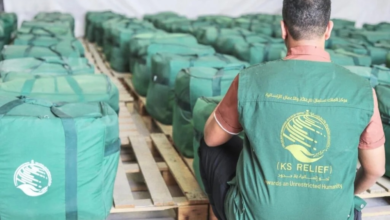
فيما يخص التبرعات العينية، منعت اللائحة بشكل قاطع جمع التبرعات خارج المقار الرئيسية أو الفروع دون الحصول على ترخيص مسبق. وألزمت الجهات بتقديم بيانات تفصيلية تشمل مواقع الجمع، العناوين الوطنية، الإحداثيات، وتكاليف الحملة. كما شددت على ضرورة الالتزام بالأنظمة المتعلقة بطبيعة المواد المتبرع بها والحصول على الموافقات الحكومية اللازمة.
آلية استقبال التبرعات من خارج المملكة
لضمان الرقابة الشاملة، أقرت اللائحة آلية لتلقي التبرعات من الخارج، تشترط التنسيق مع لجنة مختصة برئاسة المركز الوطني لتنمية القطاع غير الربحي، وعضوية ممثلين من وزارات الداخلية، الخارجية، الشؤون الإسلامية، رئاسة أمن الدولة، والهيئة العامة للأوقاف. تدرس هذه اللجنة الطلبات من كافة الجوانب النظامية والأمنية قبل إصدار أي موافقة.
متطلبات دقيقة لإطلاق حملات التبرع
وضعت اللائحة اشتراطات تفصيلية لإقامة الحملات، منها تقديم قرار مجلس الإدارة بالموافقة، تحديد الحساب البنكي، الميزانية المعتمدة، وخطة توضح الأهداف، المدة، المبلغ المستهدف، والفئات المستفيدة. كما يجب تحديد أسماء المسؤولين السعوديين عن إدارة الحملة، وتقديم دراسة جدوى للمشروعات الاستثمارية. ويجب أن يتضمن قرار الموافقة معلومات شفافة تُنشر للجمهور، مع إلزام الجهة بالإشعار فور انتهاء الحملة.
إجراءات الإلغاء وتوجيه التبرعات المصادرة
أتاحت اللائحة إمكانية إلغاء الحملات قبل أو أثناء تنفيذها بتقديم مبررات واضحة وبيان مالي تفصيلي. وفي حال تعذر صرف الأموال في الغرض المخصص، تُحول إلى حساب خاص وفق تعليمات البنك المركزي، أو تُنقل التبرعات العينية لمواقع محددة. كما نظمت اللائحة صرف التبرعات المصادرة بأحكام قضائية، لتُوجه إلى مجالات البر الشرعية والخيرية ككفالة الأيتام، بناء المساجد، والمشروعات الصحية والتعليمية، بالتنسيق مع الجهات المختصة.