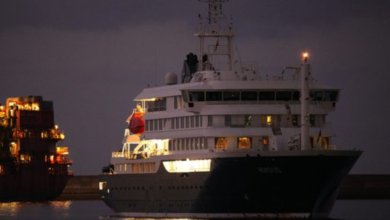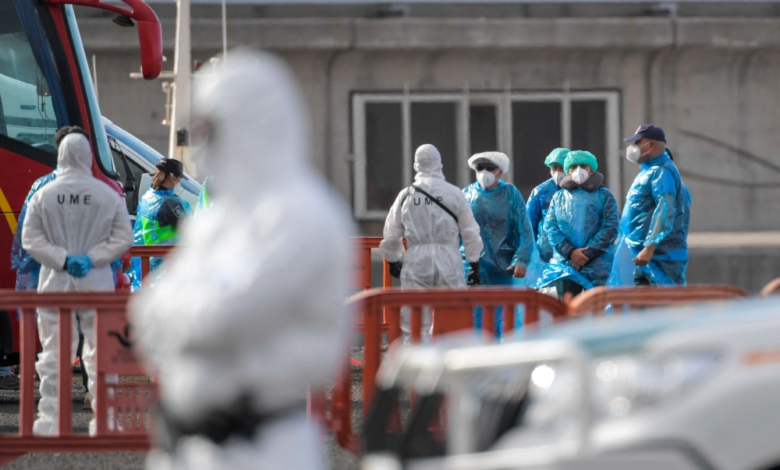

Fourteen Spanish citizens, evacuated from the cruise ship MV Boudicca following a Hantavirus outbreak on board, arrived in Madrid on Sunday. The military plane that transported them landed at Torrejón Air Base, where strict health measures were in place to receive them and transfer them directly to quarantine.
The evacuated group consisted of 13 passengers and one crew member. Upon arrival, they were transferred to the Gómez Olà Military Hospital in Madrid, a medical center equipped to handle epidemics and infectious diseases. All individuals will undergo a mandatory quarantine period of several weeks, during which their health will be closely monitored, and they will receive necessary tests to ensure they remain symptom-free and receive preventative medical care.
Background and general context of the event
The complex evacuation began when the cruise ship, carrying hundreds of passengers of various nationalities, was docked in a port in Tenerife, one of Spain's Canary Islands. Health authorities declared a state of emergency on board after confirming cases of Hantavirus, a rare but dangerous virus, prompting the activation of emergency health protocols at both the local and national levels. Closed and crowded environments like cruise ships present a significant challenge in containing infectious diseases, as viruses can spread rapidly among passengers and crew members.
What is the Hantavirus?
Hantavirus is a group of viruses primarily spread by rodents (such as mice and rats), either through inhaling droplets of their urine, feces, or saliva, or through contact with contaminated surfaces. Human-to-human transmission is extremely rare, making an outbreak on a cruise ship an unusual and concerning event. Initial symptoms include fever, muscle aches, headache, and fatigue, and in advanced cases, it can progress to severe pulmonary syndrome (HPS), which can be fatal.
Importance and expected impact
This incident raises questions about health and safety standards in the global cruise tourism sector. It also highlights the importance of international preparedness for dealing with rare and sudden outbreaks. Domestically, Spanish authorities demonstrated a rapid response by coordinating the efforts of the Ministry of Health and the military to implement a safe and organized evacuation. This event is expected to lead to a review of the preventive measures and health protocols followed on cruise ships to prevent similar incidents in the future, which could affect travelers' confidence in this type of travel in the short term.