
في ظل تصاعد التوترات الجيوسياسية في منطقة الشرق الأوسط، حذر بيان نُسب إلى المرشد الأعلى الإيراني الجديد، مجتبى خامنئي، من أن القوة البحرية الإيرانية تقف “على أهبة الاستعداد” لمواجهة القوات الأمريكية وإلحاق الهزيمة بها. يأتي هذا التصعيد الكلامي والميداني في وقت تشهد فيه الممرات المائية الاستراتيجية، وعلى رأسها مضيق هرمز، حالة من الاستنفار الأمني غير المسبوق.
رسالة المرشد الإيراني الجديد عبر تليغرام
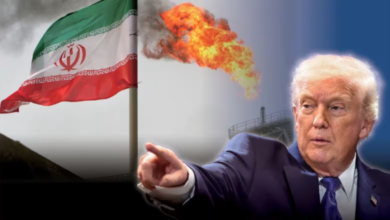
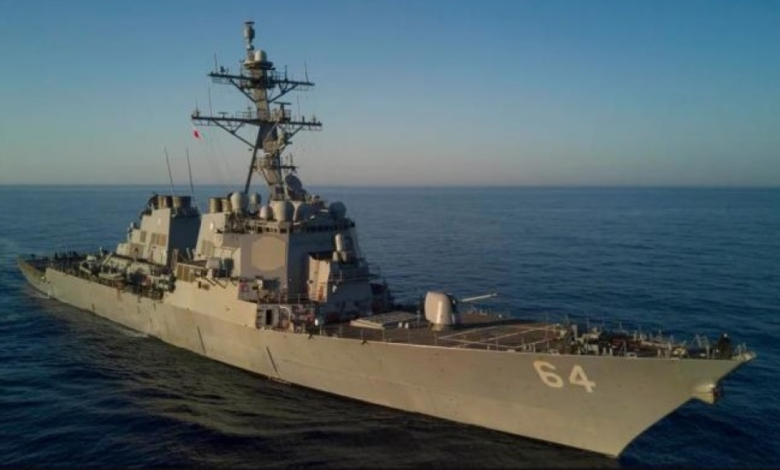
وفقاً لبيان نُشر يوم السبت على قناته الرسمية في تطبيق “تليغرام”، أكد مجتبى خامنئي، الذي لم يظهر للعلن منذ الأنباء التي تحدثت عن اختياره كمرشد أعلى جديد لإيران خلفاً لوالده، أن “القوات البحرية الشجاعة على أهبة الاستعداد لتُذيق الأعداء مرارة هزائم جديدة”. يعكس هذا التصريح توجهاً صارماً للقيادة الإيرانية الجديدة في التعامل مع التواجد العسكري الأمريكي في مياه الخليج العربي، ويؤكد على استمرارية العقيدة العسكرية الإيرانية القائمة على الردع والمواجهة المباشرة عند الضرورة.
مضيق هرمز: شريان الطاقة العالمي تحت التهديد
أعلنت القيادة العسكرية الإيرانية عن خطوات تصعيدية تصل إلى حد إغلاق مضيق هرمز، وذلك رداً على ما وصفته بالحصار الأمريكي والعقوبات الاقتصادية الخانقة المفروضة على طهران. يكتسب مضيق هرمز أهمية بالغة الخطورة في الاقتصاد العالمي، فهو يُعد أهم نقطة عبور (اختناق) للنفط في العالم. يمر عبر هذا المضيق الضيق، الذي يربط بين الخليج العربي وخليج عمان وبحر العرب، نحو 20% من إجمالي استهلاك النفط العالمي يومياً، بالإضافة إلى كميات ضخمة من الغاز الطبيعي المسال. أي تعطيل لحركة الملاحة فيه ينذر بأزمة طاقة عالمية قد تؤدي إلى ارتفاع جنوني في أسعار النفط وتداعيات كارثية على الاقتصاد الدولي.
شروط الحرس الثوري الإيراني لحرية الملاحة
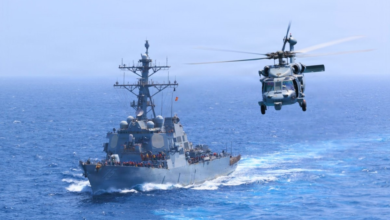
في سياق متصل، أصدر الحرس الثوري الإيراني تحذيرات شديدة اللهجة، مؤكداً أن مضيق هرمز سيظل تحت “سيطرة صارمة” من قبل القوات البحرية الإيرانية. ووضع الحرس الثوري شرطاً واضحاً لعودة الأمور إلى طبيعتها، وهو أن تضمن الولايات المتحدة الأمريكية “حرية الملاحة الكاملة” للسفن التجارية وناقلات النفط المتجهة من وإلى الموانئ الإيرانية. يعتمد الحرس الثوري في استراتيجيته البحرية على تكتيكات الحرب غير المتكافئة، باستخدام الزوارق السريعة، والألغام البحرية، والطائرات المسيرة الانتحارية، مما يجعل أي مواجهة بحرية في تلك المنطقة المعقدة جغرافياً تحدياً كبيراً للقوات الأمريكية وحلفائها.
السياق التاريخي والتداعيات الإقليمية والدولية
لا يُعد التوتر في مياه الخليج وليد اللحظة، بل هو امتداد لعقود من الصراع بين واشنطن وطهران. فقد شهدت المنطقة حوادث سابقة مثل “حرب الناقلات” في الثمانينيات، واحتجاز متبادل للسفن التجارية في السنوات الأخيرة. إن التداعيات المتوقعة لهذا التصعيد الأخير لا تقتصر على الجانبين الأمريكي والإيراني فحسب، بل تمتد لتشمل دول الخليج العربي المجاورة التي تعتمد بشكل شبه كلي على هذا الممر المائي لتصدير مواردها. كما أن المجتمع الدولي بأسره يراقب بقلق بالغ، حيث أن أي شرارة عسكرية في مضيق هرمز قد تشعل صراعاً إقليمياً واسع النطاق يصعب احتواؤه، مما يضع أمن الملاحة الدولية والتجارة العالمية على المحك.