Britain affirms the role of Gulf states in stabilizing the truce in the region

Britain has emphasized the paramount strategic importance of engaging the Gulf Cooperation Council (GCC) states in all efforts to solidify the ceasefire in the region, stressing that regional stability cannot be achieved without the participation of key regional players. This stance comes amid escalating tensions in the Middle East and the urgent need for sustainable diplomatic solutions that guarantee de-escalation and pave the way for a comprehensive peace.
General context and historical background of British-Gulf cooperation
The United Kingdom enjoys deep historical and strategic ties with the Gulf Cooperation Council (GCC) states, which have formed a cornerstone of British foreign policy towards the Middle East for decades. Historically, the Gulf states have played a pivotal role in mediating numerous regional conflicts, leveraging their diplomatic and economic influence. Past experiences, such as Omani mediation in the Yemeni crisis and Qatari efforts to de-escalate tensions in the Gaza Strip, have demonstrated that Gulf intervention is often crucial in bridging the gap between conflicting parties and facilitating ceasefire agreements.
The importance of involving Gulf states in peace efforts
The British political leadership understands that any truce or peace agreement in the Middle East requires political and financial support to ensure its sustainability. This underscores the importance of the Gulf states, which possess the capacity to provide the necessary guarantees, in addition to their significant contributions to reconstruction projects and humanitarian aid. Excluding these countries from the negotiating table could lead to fragile and temporary solutions that cannot withstand the complex challenges facing the region.
Expected impact at the local and regional levels
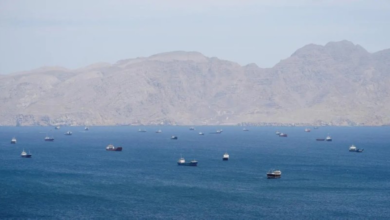
Regionally, British-Gulf coordination contributes to creating a unified front capable of confronting shared security challenges, including securing maritime navigation in the Red Sea and the Bab el-Mandeb Strait, which positively impacts the stability of countries bordering these waterways. Furthermore, consolidating the truce allows countries in the region to focus on economic development plans and national transformation visions, thereby enhancing the well-being of their populations and reducing hotspots of tension and extremism.
International repercussions and global security
Internationally, the establishment of a ceasefire in the Middle East, with Gulf participation, has significant implications for the global economy. The region is a vital artery for global energy supplies and international trade. The success of diplomatic efforts in defusing crises ensures the stability of oil and gas markets and mitigates the negative repercussions that could affect the European and global economies. Moreover, achieving peace contributes to addressing the root causes of the refugee and illegal migration crises that plague the international community.
In conclusion, Britain renews its commitment to working alongside its Gulf allies, stressing that the strategic partnership between the two sides is the true guarantee for transforming temporary truces into a lasting and comprehensive peace that serves the interests of all the peoples of the region and the world.