
رسالة إيرانية مباشرة للشعب الأمريكي
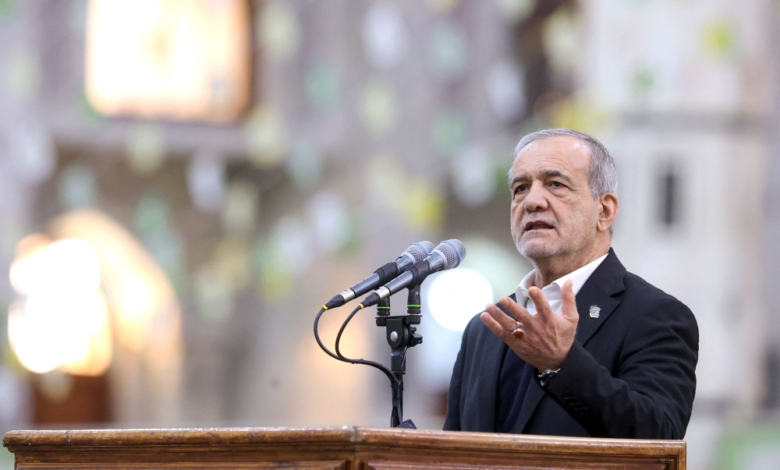
وجه الرئيس الإيراني مسعود بزشكيان رسالة علنية ومباشرة إلى الشعب الأمريكي، اعتبر فيها أن الهجمات الأمريكية والإسرائيلية التي تستهدف البنى التحتية الحيوية، وخاصة منشآت الطاقة، تمثل “جريمة حرب” واضحة. تأتي هذه التصريحات في وقت بالغ الحساسية، قبيل خطاب مرتقب للرئيس الأمريكي دونالد ترامب، وسط تصاعد غير مسبوق للتوترات في منطقة الشرق الأوسط.
حرب التصريحات ورفض وقف إطلاق النار
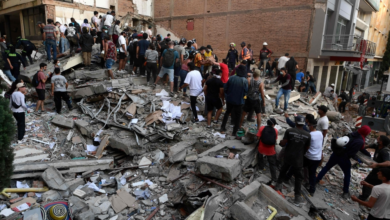
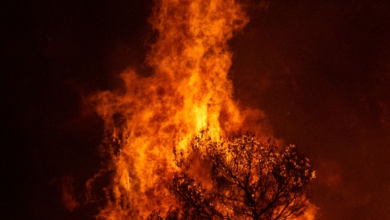
وبعد مرور أكثر من شهر على اندلاع المواجهات المباشرة في الشرق الأوسط، صرح ترامب بأن طهران تطالب بوقف إطلاق النار، وهو ادعاء سارع النظام الإيراني إلى نفيه بشكل قاطع. وقد تفاقمت هذه الأزمة بشكل ملحوظ بعد الهجوم المشترك الذي شنته إسرائيل والولايات المتحدة على العاصمة طهران في 28 فبراير، حيث تركزت الضربات بشكل مكثف على منشآت الطاقة والمرافق الصناعية الحيوية.
الخسائر البشرية والاقتصادية
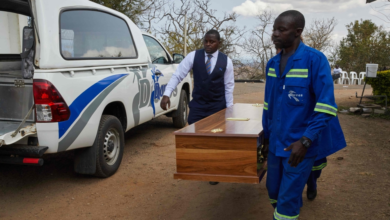
وفي رسالته التي نُشرت عبر موقعه الرسمي، شدد بزشكيان على أن “مهاجمة البنى التحتية الحيوية لإيران، بما في ذلك منشآت الطاقة والصناعة، تعد بمثابة استهداف مباشر للشعب الإيراني”. وأضاف محذراً من التداعيات الكارثية: “إلى جانب كونها تشكل جريمة حرب، تترتب على هذه الأعمال تبعات تتجاوز الحدود الإيرانية بكثير. فهي تولد عدم استقرار إقليمي، وتزيد من الخسائر البشرية والتكاليف الاقتصادية، وتزرع بذور استياء ستستمر لسنوات طويلة”. واعتبر أن هذا التصعيد العسكري ليس استعراضاً للقوة، بل هو “دليل على ارتباك استراتيجي وعدم القدرة على التوصل إلى حل دائم للأزمات المتلاحقة”.
السياق التاريخي والقانون الدولي
تاريخياً، لطالما كانت البنى التحتية للطاقة ورقة ضغط استراتيجية في النزاعات المسلحة. ووفقاً للقانون الدولي الإنساني واتفاقيات جنيف، يُحظر بشكل صارم استهداف المنشآت المدنية التي لا تقدم مساهمة عسكرية مباشرة، حيث يؤدي تدمير محطات الكهرباء والمياه والنفط إلى كوارث إنسانية تطال المدنيين العزل. إن استهداف قطاع الطاقة الإيراني لا يؤثر فقط على الاقتصاد المحلي الذي يعاني بالفعل من عقوبات دولية قاسية منذ عقود، بل يمتد تأثيره ليخلق أزمات معيشية خانقة للمواطنين، مما يضاعف من حجم المعاناة الإنسانية.
اتهامات بالتلاعب وتوجيه الرأي العام
وفي سياق متصل، اتهم الرئيس الإيراني إسرائيل بـ “التلاعب” بالولايات المتحدة وجرها إلى مستنقع حرب إقليمية شاملة، وهو اتهام نفاه ترامب. وتساءل بزشكيان في رسالته: “أليس صحيحاً أن إسرائيل، من خلال اختلاق تهديد إيراني، تسعى إلى صرف انتباه العالم عن جرائمها ضد الفلسطينيين؟ هل شعار (أمريكا أولاً) حقاً من بين أولويات حكومة الولايات المتحدة اليوم؟”. يعكس هذا التساؤل محاولة إيرانية واضحة للتأثير على الرأي العام الأمريكي وتسليط الضوء على التكاليف الباهظة للتدخلات العسكرية الخارجية التي قد تضر بالمصالح الأمريكية نفسها.
مضيق هرمز: شريان الاقتصاد العالمي
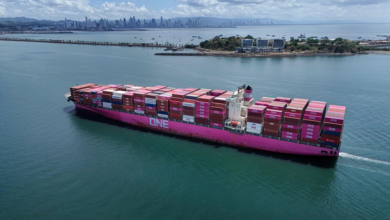
من جهة أخرى، تبرز أزمة مضيق هرمز كأحد أخطر تداعيات هذا الصراع. فقد استبعد الرئيس الأمريكي أي اتفاق لوقف إطلاق النار دون ضمان إعادة فتح مضيق هرمز بالكامل. يُعد هذا المضيق شرياناً حيوياً واستراتيجياً للاقتصاد العالمي، حيث يمر عبره نحو 20% من إجمالي استهلاك النفط العالمي يومياً. وأي حصار أو إغلاق للمضيق من الجانب الإيراني سيؤدي حتماً إلى صدمة عنيفة في أسواق الطاقة العالمية، وارتفاع جنوني في أسعار النفط، مما يهدد بزعزعة استقرار الاقتصاد العالمي بأسره ويدفع نحو ركود تضخمي.
ترقب دولي للخطاب الأمريكي
ومن المقرر أن يلقي ترامب خطاباً عند الساعة التاسعة مساءً (01:00 بتوقيت غرينتش الخميس)، وهو أول خطاب له للأمة منذ بدء هذه الأعمال العدائية. يترقب المجتمع الدولي هذا الخطاب بقلق بالغ، حيث يضع مسار الأحداث الحالي منطقة الشرق الأوسط والعالم أمام مفترق طرق خطير، تتشابك فيه المصالح الجيوسياسية مع أمن الطاقة العالمي، مما يجعل التوصل إلى تسوية دبلوماسية أمراً بالغ التعقيد ولكنه ضروري لتجنب الانزلاق نحو حرب إقليمية مدمرة.