
اجتماع رباعي في إسلام آباد لبحث خفض التصعيد الإقليمي
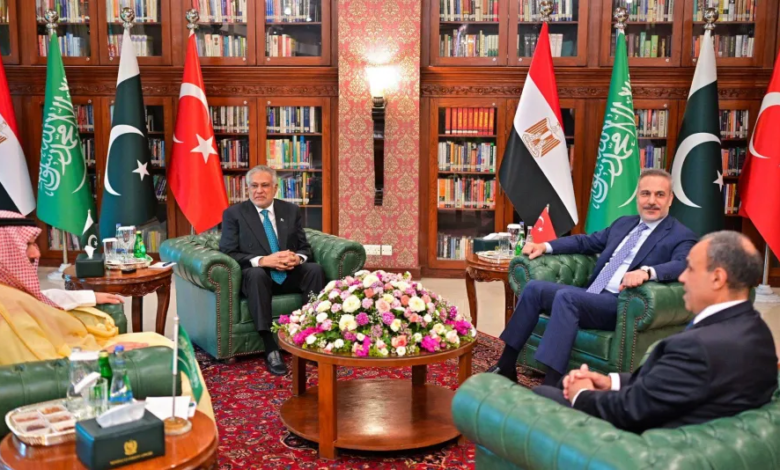
تتجه الأنظار نحو العاصمة الباكستانية، حيث يُعقد اجتماع رباعي في إسلام آباد يهدف إلى بحث سبل خفض التصعيد في المنطقة ومناقشة الترتيبات اللازمة لضمان أمن الملاحة وإعادة فتح مضيق هرمز أمام حركة التجارة العالمية بشكل آمن. تأتي هذه التحركات الدبلوماسية في وقت تشهد فيه المنطقة توترات جيوسياسية متزايدة تتطلب تدخلاً عاجلاً لتجنب أي انزلاق نحو صراعات عسكرية قد تعصف بالاستقرار الإقليمي والدولي.
السياق العام والخلفية التاريخية لأزمة مضيق هرمز
يُعد مضيق هرمز واحداً من أهم الممرات المائية الاستراتيجية في العالم، حيث يربط بين الخليج العربي وخليج عُمان وبحر العرب. تاريخياً، كان هذا المضيق مسرحاً للعديد من التوترات السياسية والعسكرية، بدءاً من حرب الناقلات في ثمانينيات القرن الماضي، وصولاً إلى الحوادث المتكررة لاحتجاز السفن التجارية وناقلات النفط في السنوات الأخيرة. يمر عبر مضيق هرمز نحو خمس الاستهلاك العالمي من النفط، مما يجعله شرياناً حيوياً للاقتصاد العالمي. وأي تهديد بإغلاقه أو عرقلة الملاحة فيه يؤدي فوراً إلى تقلبات حادة في أسواق الطاقة العالمية.
في هذا السياق، تلعب باكستان دوراً محورياً وتاريخياً في محاولات التهدئة، مستفيدة من علاقاتها الدبلوماسية المتوازنة مع مختلف الأطراف الإقليمية والدولية. وتسعى إسلام آباد دائماً إلى تبني نهج الحوار والدبلوماسية الوقائية لمنع تفاقم الأزمات في الشرق الأوسط وجنوب آسيا، وهو ما يفسر استضافتها لهذا الاجتماع الرباعي الهام.
أهمية الحدث وتأثيره المتوقع على مختلف الأصعدة
التأثير المحلي والإقليمي
على الصعيد الإقليمي، يمثل هذا الاجتماع خطوة حاسمة نحو بناء ثقة متبادلة بين الدول المعنية. إن خفض التصعيد في محيط مضيق هرمز يعني ضمان استمرار تدفق الصادرات النفطية لدول الخليج العربي، وهو ما يمثل العمود الفقري لاقتصاداتها. كما أن استقرار المنطقة يجنب دول الجوار، بما فيها باكستان وإيران والدول العربية، تداعيات أمنية واقتصادية وخيمة قد تنجم عن أي تصعيد عسكري محتمل. التوصل إلى تفاهمات مشتركة سيساهم في تعزيز التعاون الأمني البحري وحماية خطوط الملاحة.
التأثير الدولي والاقتصادي
دولياً، تراقب العواصم الكبرى والأسواق المالية مخرجات اجتماع إسلام آباد عن كثب. إن أمن مضيق هرمز ليس شأناً إقليمياً فحسب، بل هو مسألة أمن قومي واقتصادي عالمي. استمرار تدفق إمدادات الطاقة بسلاسة يضمن استقرار أسعار النفط والغاز، مما يحد من معدلات التضخم التي ترهق الاقتصادات الكبرى والناشئة على حد سواء. علاوة على ذلك، فإن نجاح الجهود الدبلوماسية الرباعية سيعطي دفعة قوية لمساعي الأمم المتحدة والمجتمع الدولي في ترسيخ مبادئ حرية الملاحة البحرية وفقاً للقانون الدولي.
خلاصة وتطلعات مستقبلية
في الختام، يبرز الاجتماع الرباعي في إسلام آباد كفرصة ذهبية لتغليب لغة العقل والدبلوماسية على لغة التصعيد والتهديد. إن تأمين مضيق هرمز وإبقائه مفتوحاً وآمناً يتطلب إرادة سياسية حقيقية وتعاوناً مستداماً بين كافة القوى الإقليمية والدولية. ويبقى الأمل معقوداً على أن تثمر هذه المباحثات عن آليات عمل مشتركة تضمن استقراراً طويل الأمد في واحدة من أكثر مناطق العالم حيوية وتعقيداً.