
مقدمة حول التصعيد الأخير
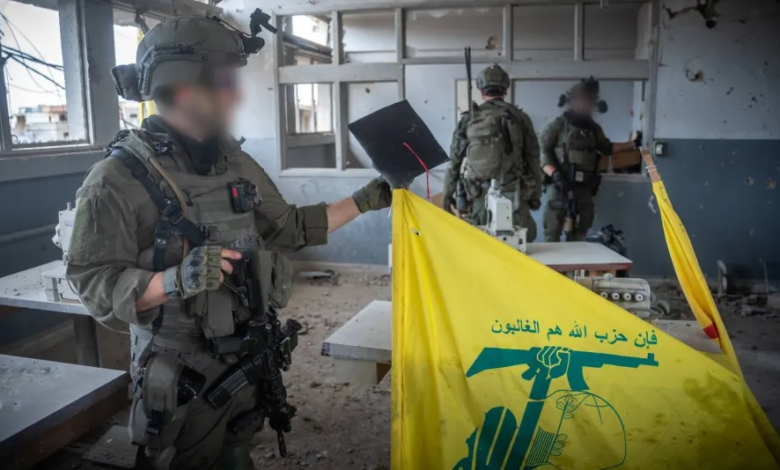
في تطور لافت يعكس تعقيدات المشهد الأمني والسياسي في منطقة الشرق الأوسط، صرح مسؤول إسرائيلي بارز بأن العمليات العسكرية في لبنان قد تستمر لعدة سنوات. هذا التصريح يسلط الضوء على عمق الأزمة الحالية ويفتح الباب أمام تساؤلات عديدة حول مستقبل الاستقرار في المنطقة، خاصة في ظل التصعيد المستمر على الحدود اللبنانية الإسرائيلية منذ اندلاع حرب غزة في أكتوبر 2023.
السياق التاريخي للصراع اللبناني الإسرائيلي
لفهم أبعاد هذا التصريح، يجب النظر إلى السياق التاريخي للصراع بين إسرائيل وحزب الله في لبنان. لم تكن التوترات على الحدود وليدة اللحظة، بل هي امتداد لعقود من الصراعات والحروب، أبرزها الاجتياح الإسرائيلي للبنان عام 1982، وحرب تموز (يوليو) عام 2006 التي استمرت لمدة 34 يوماً وانتهت بصدور قرار مجلس الأمن الدولي رقم 1701. منذ ذلك الحين، شهدت الحدود فترات من الهدوء الحذر تخللتها اشتباكات متقطعة، إلا أن الأحداث الأخيرة التي تلت السابع من أكتوبر أعادت إشعال الجبهة بشكل غير مسبوق، حيث أعلن حزب الله انخراطه في المعركة كجبهة إسناد لقطاع غزة.
أبعاد التصريحات الإسرائيلية والوضع الميداني الحالي
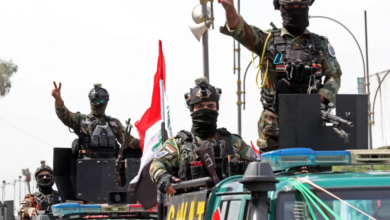
تأتي تصريحات المسؤول الإسرائيلي حول احتمالية استمرار العمليات العسكرية في لبنان لسنوات في وقت تكثف فيه إسرائيل من غاراتها الجوية على أهداف في جنوب لبنان والبقاع والضاحية الجنوبية لبيروت، في حين يواصل حزب الله إطلاق الصواريخ والطائرات المسيرة باتجاه شمال إسرائيل. يشير هذا التوجه الإسرائيلي إلى استراتيجية طويلة الأمد تهدف إلى إبعاد مقاتلي الحزب عن الحدود الشمالية لإسرائيل، وضمان عودة عشرات الآلاف من النازحين الإسرائيليين إلى مستوطناتهم بأمان، وهو هدف يبدو تحقيقه معقداً ويتطلب وقتاً طويلاً وجهداً عسكرياً مكثفاً.
التداعيات المحلية والاقتصادية لاستمرار الحرب
على الصعيد المحلي، يحمل استمرار العمليات العسكرية لسنوات تداعيات كارثية على كلا الجانبين. في لبنان، يعاني الاقتصاد من أزمة طاحنة منذ عام 2019، وتأتي الحرب لتزيد من معاناة اللبنانيين مع نزوح مئات الآلاف من سكان القرى الجنوبية وتدمير البنية التحتية والممتلكات الزراعية. أما في إسرائيل، فإن استمرار فتح الجبهة الشمالية يشكل استنزافاً اقتصادياً وعسكرياً، فضلاً عن الضغط الداخلي المستمر من قبل سكان الشمال الذين يرفضون العودة إلى منازلهم دون ضمانات أمنية حقيقية وتغيير جذري في الواقع الأمني على الحدود.
التأثير الإقليمي والدولي ومخاوف توسع الصراع
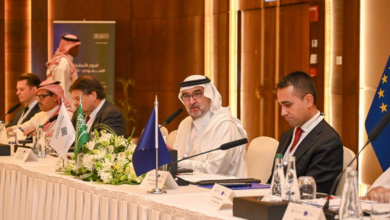
إقليمياً ودولياً، يثير هذا التصعيد مخاوف جدية من انزلاق المنطقة بأسرها إلى حرب إقليمية شاملة قد تنخرط فيها أطراف أخرى. تسعى الإدارة الأمريكية بالتعاون مع دول أوروبية مثل فرنسا إلى إيجاد مخرج دبلوماسي للأزمة، يرتكز على التطبيق الكامل للقرار 1701، والذي ينص على إخلاء المنطقة الواقعة جنوب نهر الليطاني من أي وجود مسلح غير تابع للجيش اللبناني وقوات اليونيفيل. ومع ذلك، فإن التلويح الإسرائيلي بحرب طويلة الأمد يعكس تعثر هذه الجهود الدبلوماسية حتى الآن، ويضع المجتمع الدولي أمام تحدٍ كبير لمنع تدهور الأوضاع بشكل يخرج عن السيطرة.
الخلاصة
في الختام، يعكس تصريح المسؤول الإسرائيلي بأن العمليات العسكرية في لبنان قد تستمر لسنوات واقعاً معقداً يتجاوز مجرد الاشتباكات الحدودية. إنه صراع يحمل في طياته أبعاداً استراتيجية عميقة تؤثر على توازنات القوى في الشرق الأوسط. ومع استمرار لغة السلاح، يبقى الرهان على الجهود الدبلوماسية الدولية لإيجاد تسوية سياسية تجنب لبنان والمنطقة ويلات حرب طويلة الأمد قد تدمر ما تبقى من استقرار هش في المنطقة.