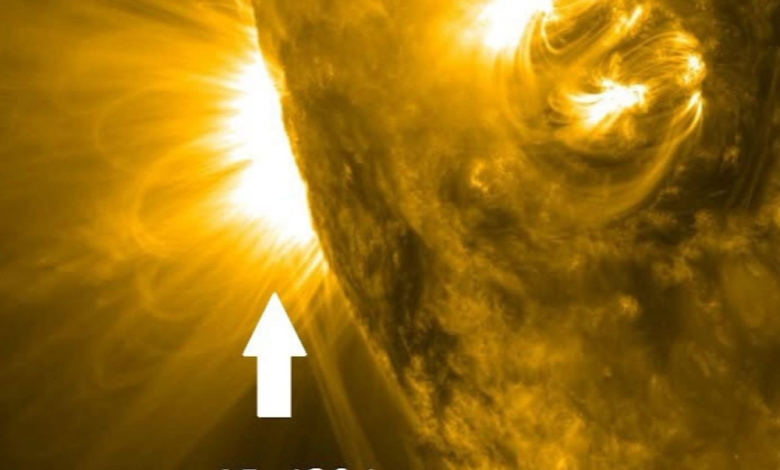

أعلن المهندس ماجد أبو زاهرة، رئيس الجمعية الفلكية بجدة، عن تطورات جديدة في النشاط الشمسي، حيث كشفت صور الأقمار الصناعية المتخصصة في مراقبة الشمس أن بقايا منطقتي البقع الشمسية القديمتين، اللتين تحملان الرقمين 4294 و4296، تتمركزان حالياً خلف الحافة الجنوبية الشرقية لقرص الشمس. وتوقع أبو زاهرة أن تعود هاتان البقعتان للظهور تدريجياً في مجال الرؤية من الأرض خلال الساعات الـ48 المقبلة، وذلك نتيجة استمرار دوران الشمس حول محورها.
تاريخ النشاط الشمسي للبقعتين
وأوضح رئيس الجمعية الفلكية أن هاتين المنطقتين النشطتين تم رصدهما آخر مرة في 12 ديسمبر الماضي، حينما كانتا في مواجهة مباشرة مع كوكب الأرض. وخلال تلك الفترة، سجلت البقعتان نشاطاً ملحوظاً تمثل في عدد من التوهجات الشمسية متوسطة ومنخفضة القوة، إلا أنهما لم تتسببا في أي أحداث شمسية شديدة من الفئات العليا (X-Class) التي عادة ما تثير قلق العلماء بشأن تأثيراتها على البنية التحتية التكنولوجية.
سياق الدورة الشمسية والطقس الفضائي
يأتي هذا الرصد في وقت تشهد فيه الشمس نشاطاً متزايداً ضمن دورتها الشمسية الحالية (الدورة 25)، حيث تعتبر البقع الشمسية مؤشراً رئيسياً على النشاط المغناطيسي للنجم. والبقع الشمسية هي عبارة عن مناطق داكنة على سطح الشمس تكون درجة حرارتها أقل من المناطق المحيطة بها بسبب تركيز مجالات مغناطيسية قوية تمنع تدفق الحرارة من الداخل. وتعتبر متابعة هذه البقع أمراً حيوياً لفهم “الطقس الفضائي” الذي يمكن أن يؤثر على الأقمار الصناعية، وشبكات الاتصالات، وحتى شبكات الطاقة الكهربائية على الأرض في حال حدوث عواصف شمسية قوية.
احتمالية التأثير على الأرض
وفيما يخص المخاطر المحتملة، أشار أبو زاهرة إلى أن بيانات الرصد الحديثة مطمئنة حتى الآن، حيث لم تظهر أي تسجيلات لانبعاثات كتلية إكليلية كبيرة (CMEs) خلف الحافة الجنوبية الشرقية للشمس خلال الأيام الماضية. هذا الغياب للانبعاثات الضخمة يقلل بشكل كبير من احتمالية حدوث تأثيرات مباشرة أو عواصف جيومغناطيسية قوية تؤثر على الطقس الفضائي القريب من الأرض فور عودة هذه المناطق للظهور.
ومع ذلك، أكد أبو زاهرة أن الحذر والمتابعة المستمرة ضروريان، مشدداً على أن البقع الشمسية لا تفقد نشاطها بالضرورة بمجرد اختفائها المؤقت خلف قرص الشمس أثناء دورانها. فمن الممكن أن تعاود هذه المناطق إنتاج التوهجات والانبعاثات الشمسية عند عودتها إلى الواجهة، ويعتمد ذلك بشكل أساسي على درجة تعقيد بنيتها المغناطيسية وما إذا كانت قد حافظت على طاقتها الكامنة.
تقنيات الرصد الحديثة
واختتم رئيس فلكية جدة حديثه بالإشارة إلى التقنيات المستخدمة في هذا الرصد، موضحاً أن المشهد الشمسي الحالي يستند إلى صور دقيقة التقطها مرصد ديناميكا الشمس (SDO) التابع لوكالة ناسا، وتحديداً في نطاق الطول الموجي 171 أنغستروم. هذا الطول الموجي مخصص لإبراز البلازما الساخنة في الإكليل الشمسي، مما يمنح العلماء قدرة فائقة على تتبع تطور المناطق النشطة والهياكل المغناطيسية المعقدة بدقة عالية، لتقييم أي تجدد محتمل في النشاط الشمسي ورصد انعكاساته على بيئة الفضاء المحيطة بالأرض.