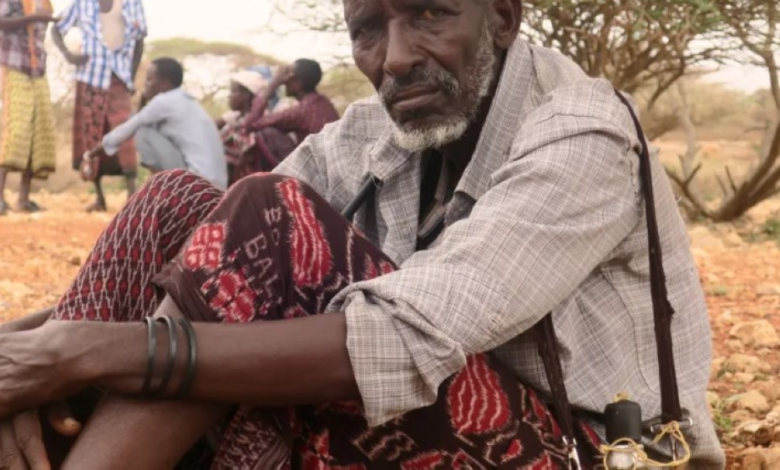

دق برنامج الأغذية العالمي ناقوس الخطر مجدداً بشأن تفاقم أزمة الجوع في الصومال، محذراً من أن حوالي 6 ملايين شخص، أي ما يعادل ثلث سكان البلاد تقريباً، يواجهون مستويات حادة من انعدام الأمن الغذائي. وتزداد المأساة عمقاً عند النظر إلى الفئات الأكثر ضعفاً، حيث يوجد بين هؤلاء 1.9 مليون طفل يعانون من سوء التغذية الحاد، ومليونا شخص باتوا على شفا المجاعة.
جاء هذا التحذير على لسان ماثيو هولينغورث، مساعد المديرة التنفيذية للبرنامج، الذي أكد في أعقاب زيارته الميدانية للصومال أن الوضع الإنساني يتدهور بسرعة نتيجة تقاطع مجموعة من العوامل المدمرة. وتشمل هذه العوامل الصدمات المناخية المتكررة، والنزاعات المسلحة المستمرة، والضغوط الاقتصادية العالمية، التي أدت مجتمعة إلى خلق أزمة إنسانية معقدة تهدد حياة الملايين.
سياق تاريخي من المعاناة المتكررة
لا تعد أزمة الجوع الحالية حدثاً معزولاً في تاريخ الصومال الحديث. فالبلاد، التي تقع في منطقة القرن الأفريقي، عانت من موجات جفاف ومجاعات متكررة على مدى العقود الماضية. ولعل أبرزها مجاعة عام 2011 التي أودت بحياة أكثر من ربع مليون شخص، نصفهم من الأطفال. تتسبب التغيرات المناخية في جعل مواسم الأمطار غير منتظمة وأكثر شحاً، مما يؤدي إلى فشل المحاصيل الزراعية ونفوق الماشية التي تشكل العمود الفقري للاقتصاد الريفي. هذا النمط المتكرر من الكوارث المناخية يستنزف قدرة المجتمعات المحلية على الصمود والتعافي، ويدفعها إلى حافة الهاوية مع كل موجة جفاف جديدة.
الأسباب الجذرية وتأثيرها المدمر
تتغذى الأزمة الحالية على مزيج قاتل من الجفاف الشديد، الذي يعد الأسوأ منذ أربعة عقود، والنزاع طويل الأمد الذي يعيق وصول المساعدات الإنسانية إلى المناطق الأكثر تضرراً. يضاف إلى ذلك الارتفاع الحاد في أسعار المواد الغذائية والوقود عالمياً، مما يفاقم من معاناة الأسر التي فقدت سبل عيشها. وأوضح هولينغورث أن تعطل سلاسل الإمداد وضعف هطول الأمطار يضعفان قدرة البلاد على إنتاج الغذاء أو استيراده، مما يجعل السكان يعتمدون بشكل شبه كامل على المساعدات الدولية التي تواجه تحديات تمويلية.
التداعيات المحلية والإقليمية
تمتد آثار هذه الأزمة إلى ما هو أبعد من نقص الغذاء. فعلى الصعيد المحلي، تؤدي إلى موجات نزوح جماعي، حيث يضطر مئات الآلاف إلى ترك قراهم والتوجه إلى مخيمات النازحين المكتظة حول المدن الكبرى بحثاً عن الماء والغذاء والمأوى، مما يخلق ضغطاً هائلاً على الموارد الشحيحة أصلاً. أما إقليمياً، فإن الأزمة تدفع باللاجئين إلى عبور الحدود نحو الدول المجاورة مثل كينيا وإثيوبيا، مما يزيد من حدة التحديات الإنسانية في منطقة القرن الأفريقي بأكملها. وقد حذر هولينغورث من تكرار سيناريو عام 2022 المأساوي، داعياً المجتمع الدولي إلى التحرك بشكل عاجل لاحتواء الأزمة قبل تحولها إلى كارثة إنسانية واسعة النطاق لا يمكن السيطرة عليها.