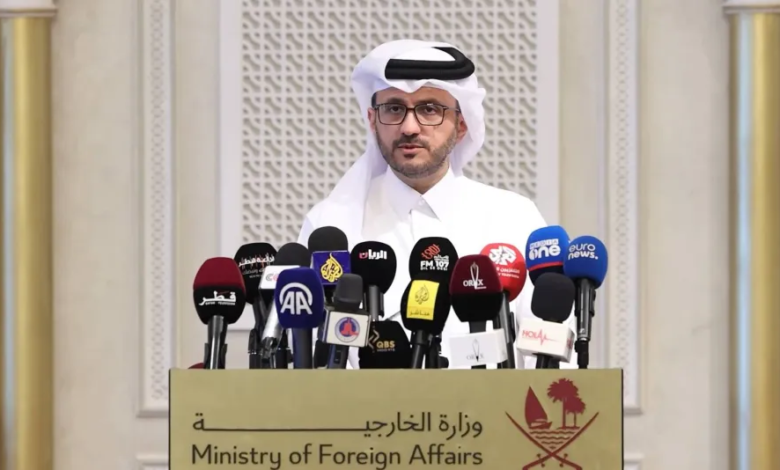
Qatar supports Pakistan's mediation and warns against internationalizing the Hormuz crisis

In a diplomatic move aimed at defusing tensions in the Gulf region, Qatar announced its full support for Pakistan's efforts to promote dialogue and de-escalation. Qatar's position was clear in its warning against internationalizing the crisis in the Strait of Hormuz, emphasizing the need for regional solutions to regional problems, free from external interference that could further complicate the situation.
General context and historical background of the event
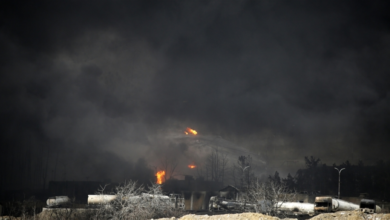
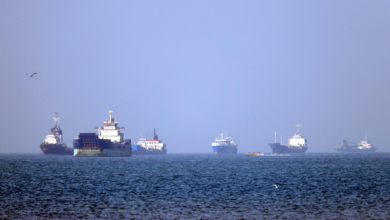
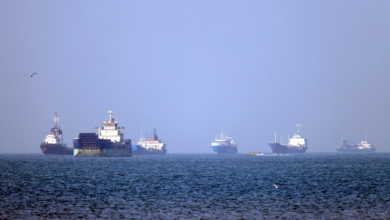
This stance comes amid escalating tensions in the Strait of Hormuz, one of the world's most vital waterways, through which nearly a fifth of global oil consumption passes. The region has witnessed a series of incidents in recent years, including attacks on oil tankers and the seizure of vessels, raising international concerns about a potential military confrontation with catastrophic consequences for the global economy and energy security. The tensions stem primarily from political disputes between Iran on one side, and the United States and its regional allies on the other. These tensions have led to calls for the formation of international maritime coalitions to secure navigation in the strait, a move known as the "internationalization of the crisis." This is rejected by countries like Iran and Qatar, who view it as an escalation of militarization and a provocation that threatens stability rather than protecting it.
The importance of Pakistani mediation and the Qatari position
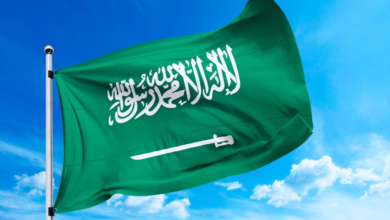
Thanks to its balanced relations with both Saudi Arabia and Iran, Pakistan plays a historic role as a potential mediator in the region. Islamabad seeks to leverage these relationships to bridge divides and prevent a slide into open conflict. Qatari support lends significant political weight to these efforts, as Doha shares Islamabad's view that dialogue is the only way to resolve disputes. For Qatar, this stance aligns with its independent foreign policy, particularly after the 2017 Gulf crisis, which prompted it to strengthen ties with various regional powers, including Iran, with which it shares the world's largest gas field. The warning against internationalizing the Strait of Hormuz crisis reflects Qatar's firm conviction that the presence of foreign forces in the Gulf waters will only exacerbate the situation, and that solutions must originate from the region's own countries, which are most affected by any security instability.
Expected impact at the regional and international levels
Regionally, Qatari-Pakistani coordination strengthens the front of countries advocating de-escalation and dialogue, offering an alternative to the narrative of confrontation and military buildup. The success of these efforts could pave the way for more sustainable regional security mechanisms, reducing reliance on external powers. Internationally, these endeavors send a message that there are effective regional powers capable of managing their own crises, potentially alleviating pressure for military intervention. Furthermore, the stability of navigation in the Strait of Hormuz is a global interest, and any success in de-escalating tensions through diplomacy would be widely welcomed by the world's major economic powers, which depend on the continuous flow of energy from the region.