
Escalating tensions: Trump's threats to Iran
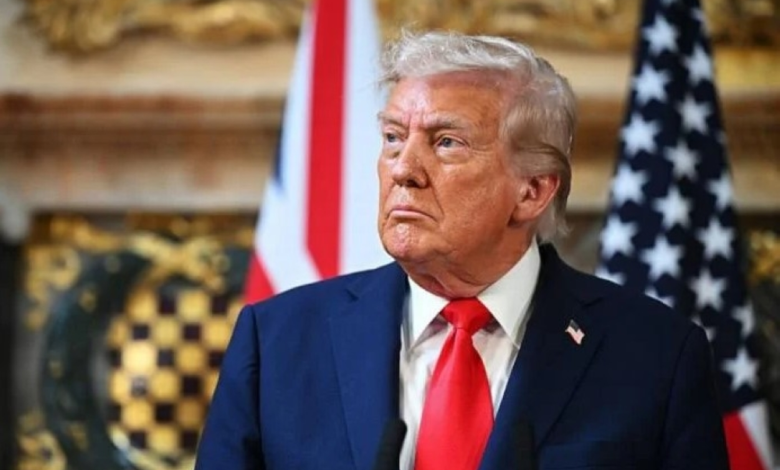
In a significant development reflecting escalating geopolitical tensions in the Middle East, US President Donald Trump issued strongly worded warnings to Tehran. In his latest threat to Iran, Trumpmade it clear that the Iranian leadership “will not be happy” if a comprehensive deal is not reached before the end of the current truce. This statement reflects a strong return to a more assertive US policy toward Iran, aimed at forcing Tehran to make substantial concessions.
The Strait of Hormuz crisis and maritime traffic
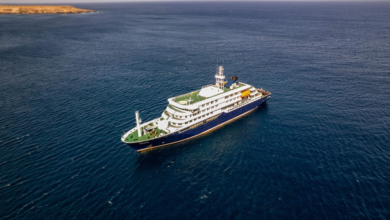
In a related development, Trump revealed sensitive field details on Monday via his official Truth Social account, indicating that 34 commercial vessels had transited the Strait of Hormuz the previous day. Trump described this number as "the highest since the start of this crazy blockade" that Iran attempted to impose. Historically and strategically, the Strait of Hormuz is a vital artery for the global economy, with approximately 20% of the world's daily oil consumption passing through it. Any threat to navigation in this strait could trigger global energy crises, which explains the intense US interest in securing this waterway.
Blockade of Iranian ports and collapse of talks
As a culmination of this escalation on the ground, Trump ordered a comprehensive blockade of Iranian ports, which went into effect at 2:00 PM GMT on Monday. This decisive move followed the collapse of diplomatic talks with Tehran held in Pakistan. This approach is reminiscent of the “maximum pressure” strategy previously employed by the US administration, which aimed to cripple the Iranian economy and reduce its oil exports to zero in order to force the regime to change its regional behavior.
The Iranian nuclear file and the enriched uranium crisis
were not limited Trump's threats to Iran to the economic and maritime spheres, but extended to the core of the Iranian nuclear issue. He stated firmly that the United States would "recover Iran's enriched uranium one way or another," emphasizing that Tehran had not explicitly agreed to abandon its pursuit of nuclear weapons. Historically, this conflict has escalated significantly since Washington's withdrawal from the nuclear agreement (the Joint Comprehensive Plan of Action) in 2018, prompting Iran to raise its uranium enrichment levels to nearly 60%, a development that has alarmed the International Atomic Energy Agency and the entire international community.
Expected regional and international repercussions
The significance of this event and its anticipated impact extend across several levels. Regionally, this escalation raises serious concerns about maritime security in the Arabian Gulf and the Gulf of Oman, potentially prompting regional states to bolster their security and defense measures in cooperation with international allies. Internationally, imposing a blockade on Iranian ports and threatening operations to recover uranium would send shockwaves through global energy markets, potentially leading to a significant increase in oil and gasoline prices. Furthermore, this escalation presents Washington's European allies, as well as major powers like China and Russia, with complex diplomatic challenges in managing the repercussions of such a blockade and its impact on global trade.