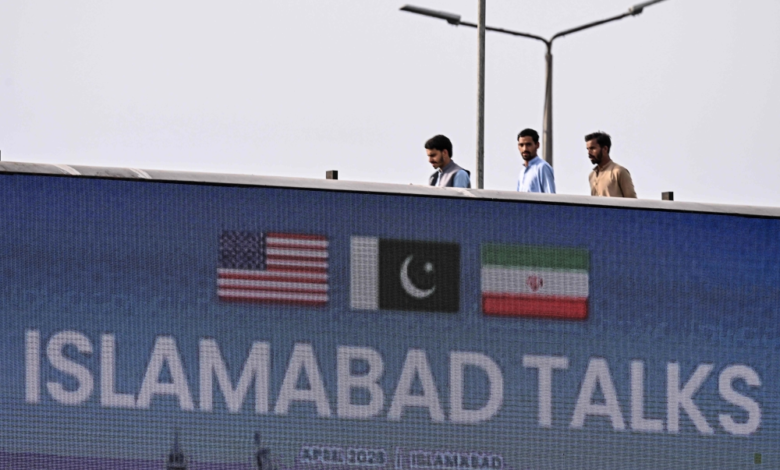
An Iranian delegation arrived in Pakistan to discuss the terms of negotiations with the United States

A high-level Iranian delegation arrives in Islamabad
In a diplomatic move with significant political and strategic dimensions, a high-level Iranian delegation arrived in the Pakistani capital, Islamabad. This visit comes at a sensitive time for the Middle East, and aims to pave the way for anticipated talks seeking to establish understandings or a path to peace with the United States, according to Iranian state television. These moves are seen as an indication of intensified diplomatic efforts aimed at breaking the deadlock in strained relations.
Delegation formation and agenda for talks
The Iranian delegation is headed by the Speaker of the Islamic Consultative Assembly, Mohammad Bagher Ghalibaf, and includes prominent figures in the Iranian government, most notably Foreign Minister Abbas Araqchi, as well as a number of senior security and economic officials. This diverse delegation reflects Tehran's desire to discuss comprehensive issues that go beyond traditional diplomacy to encompass complex security matters and the economic challenges that have burdened the country due to successive international sanctions.
Iranian preconditions for negotiations
Tehran, through its official media outlets, reiterated its firm and principled stance that any direct or indirect talks with the United States will only take place if Washington first agrees to specific Iranian conditions. In this context, Qalibaf laid out stringent preconditions for any negotiations with the American delegation, which is scheduled to be led by US Vice President Jay D. Vance. These conditions include the necessity of reaching an immediate and comprehensive ceasefire in Lebanon, given the ongoing military escalation there, as well as the full release of frozen Iranian assets and funds held abroad.
The historical context of Iranian-American relations
Historically, relations between Tehran and Washington have been characterized by extreme tension and a diplomatic rupture since 1979. These relations have witnessed periods of escalation and de-escalation, most notably the signing of the nuclear agreement in 2015, from which the United States unilaterally withdrew in 2018, leading to the reimposition of harsh economic sanctions on Tehran. Since then, Iran has sought ways to lift these sanctions and recover its funds held in international banks, estimated at billions of dollars, as a prerequisite for any new political settlement or return to the negotiating table.
Regional and international importance of the event
Regionally, these moves are of paramount importance. The choice of Pakistan, Iran's eastern neighbor with which it has complex and intertwined relations, as a hub for these diplomatic efforts indicates Tehran's desire to garner regional support and secure its borders. Furthermore, linking the negotiations to a ceasefire in Lebanon underscores Iran's regional role and influence in Middle Eastern affairs, particularly through its close ties with numerous factions and forces in the region.
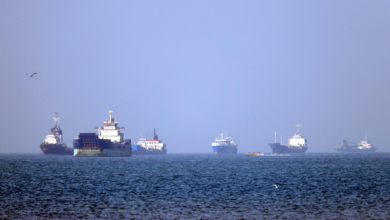
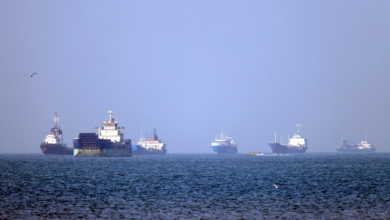
Internationally, the international community is watching these developments with great caution. Any rapprochement or understanding between Iran and the United States will have a direct impact on global energy markets, maritime security in the Arabian Gulf and the Strait of Hormuz, and overall stability in the Middle East. The success of these diplomatic efforts could pave the way for a new phase of de-escalation, while their failure could foreshadow further escalation and tension in one of the world's most sensitive and strategically important regions.