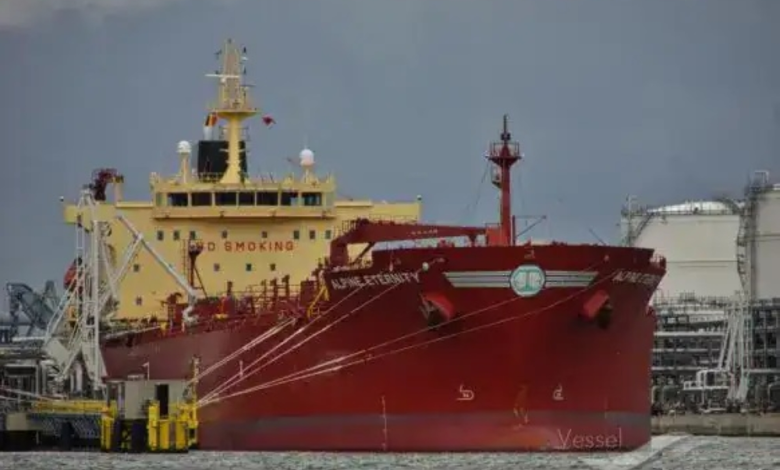

In a move reflecting heightened tensions and security concerns in the Baltic Sea region, Swedish authorities announced that their coast guard intercepted and searched a vessel off its southern coast, suspected of being part of Russia's "shadow fleet." This operation is part of European efforts to counter maritime activities aimed at circumventing international sanctions imposed on Moscow.
General context: What is the Russian “shadow fleet”?
The term “shadow fleet” emerged prominently after Russia’s invasion of Ukraine in February 2022 and the subsequent imposition of sweeping Western sanctions on Russia’s energy sector, including a cap on oil prices. To counter these restrictions, Russia has resorted to assembling a massive fleet of tankers and older vessels operating outside the usual regulatory and legal frameworks. These vessels are characterized by their dilapidated condition, lack of adequate insurance from reputable international companies, use flags of countries with lax controls (flags of convenience), and frequently switch off their transponders to conceal their routes and cargo.
Details of the Swedish inspection process
Swedish Civil Defence Minister Carl-Oskar Bohlin explained that the inspected vessel, named the Jireh, was suspected of sailing under a false flag. Speaking on the X platform, the minister added that there were serious questions about the ship's seaworthiness and lack of proper insurance, posing a risk to maritime safety and the environment. He confirmed that the vessel was on sanctions lists issued by the European Union, the United Kingdom, and Ukraine. The inspection took place in Swedish territorial waters near the town of Trelleborg. According to a coast guard statement, the 182-meter-long vessel was flying the Syrian flag and was likely carrying no cargo, while its destination was unknown.
Importance and expected effects
This incident is of particular importance on several levels. Locally and regionally, these activities significantly increase environmental risks in the Baltic Sea, a semi-enclosed and highly sensitive body of water. Any oil spill from one of these aging tankers could cause an environmental disaster that would be difficult to contain. It also poses a security challenge for Sweden, a new NATO member, and the rest of the region. Internationally, this incident demonstrates Russia's continued defiance of the international order and its attempts to undermine the effectiveness of economic sanctions aimed at limiting its ability to finance war. Sweden's actions send a clear message that the countries of the region will not tolerate these practices that threaten their security and environment.
Previous incidents reflect Swedish vigilance
This was not the first time Sweden had taken action against vessels belonging to the “shadow fleet.” On April 29, Sweden seized the cargo ship Kafa on suspicion of transporting stolen Ukrainian grain. On March 12, the coast guard inspected the oil tanker Sea Owl 1, flying the Comoros flag, also on suspicion of being part of this clandestine fleet. These repeated operations reflect the increased vigilance and preparedness of Swedish authorities to counter emerging threats in their maritime domain.